Fire safety in 2025 comes with stricter regulations. Staying compliant means ensuring your building’s fire detection, suppression systems, and emergency exits are functional, accessible, and well-documented. Here’s what you need to know:
- Fire Detection Systems: Test smoke and heat detectors monthly, replace batteries annually, and maintain backup power for alarms.
- Suppression Equipment: Inspect fire extinguishers monthly, service annually, and ensure sprinkler systems are free of leaks or obstructions.
- Emergency Exits: Keep pathways clear, test exit lights regularly, and ensure doors open easily during emergencies.
- Documentation: Maintain inspection logs, service records, and evacuation plans for at least 3 years.
Neglecting these steps can lead to fines, lawsuits, or operational shutdowns. Regular inspections and proper maintenance keep your property safe and compliant.
How To Prepare For A Building Fire Inspection? – CountyOffice.org
Fire Detection and Alarm Systems
Fire detection and alarm systems are your first safeguard against fire hazards, protecting both lives and property. Routine inspections and proper maintenance are essential to ensure early detection and timely alerts.
Smoke and Heat Detectors
The placement of smoke and heat detectors plays a crucial role in identifying fires early. Install detectors on every level of your building, including basements, attics, bedrooms, and living areas. Position them on ceilings or high walls – between 4 and 12 inches from the ceiling – and avoid placing them near corners or vents to ensure proper functionality.
Heat detectors are particularly effective in high-risk areas like kitchens, where cooking activities often lead to false alarms. During inspections, confirm that detectors remain unpainted, free of dust, and fully operational. Test batteries monthly, replace them annually, and keep a record of installation and testing dates.
Regular monthly checks are essential, whether performed manually or through electronic monitoring systems. If any batteries or units are defective, replace them immediately to maintain reliability.
Fire Alarm Systems
Fire alarm systems consist of multiple components designed to alert building occupants and first responders in the event of a fire. Pull stations should be installed at a height of 42–48 inches, clearly marked with illuminated "FIRE ALARM" signs. During inspections, ensure these pull stations are easily accessible, test their functionality monthly, and check for any physical damage.
Audible alarms must produce sound levels between 85 and 120 decibels, while visual alarms should flash at a rate of 1–2 Hz with a minimum intensity of 75 candelas. Test both audible and visual alarms simultaneously to confirm they meet safety standards. Visual alarms are especially important in areas where sound may not be sufficient, ensuring the safety of hearing-impaired individuals.
Many commercial and multi-family properties now rely on monitored alarm systems that connect directly to a central station or local fire department for rapid emergency response. Ensure these systems have redundant communication methods, such as phone and cellular backups. Test the connection regularly by sending a signal and obtaining written confirmation when possible.
"Stay compliant with regular, thorough fire alarm inspections and tagging." – A&J Fire Extinguisher
Schedule and document routine testing to ensure the system is always ready to perform.
Testing and Maintenance
A well-organized testing schedule is critical to keeping your fire detection equipment in top condition. Perform monthly visual inspections, quarterly functional tests, and an annual in-depth evaluation by licensed technicians to stay compliant with 2025 standards.
Test all system components, including detectors, control panels, alarms, and power supplies. Document every test with detailed records, including dates, times, personnel involved, and any issues identified. Licensed fire alarm companies should tag and certify the system annually, adhering to local fire codes and FDNY requirements.
Backup power systems are essential for alarm functionality during outages. Battery backups should provide at least 24 hours of standby power and a minimum of 5 minutes of active alarm operation. Test these systems monthly by disconnecting the primary power source, and replace batteries according to manufacturer guidelines – typically every 3–5 years. For larger buildings with generator backups, conduct monthly load tests to verify reliable startup and adequate power output, ensuring all tests are documented.
Emergency lighting and exit signs must also connect to backup power systems. Exit signs should remain illuminated for at least 90 minutes during a power outage. Regularly test these systems to confirm they are operational when needed.
Maintain centralized records for all fire equipment inspections, tests, and maintenance activities. For each detector, include details such as installation date, location, last test date, battery replacement history, and any repairs performed. Establish a clear maintenance schedule assigning responsibilities for inspections and testing, and retain these records for at least three years to demonstrate compliance with 2025 standards. Replace any outdated or malfunctioning equipment promptly to avoid failures during emergencies.
Next, move on to inspecting fire suppression equipment.
Fire Extinguishers and Suppression Equipment
After fire detection systems, suppression equipment serves as the critical last layer of protection against fire risks. To meet 2025 compliance standards, regular maintenance and inspections are essential to ensure these systems are ready to function without delay.
Fire Extinguisher Inspection
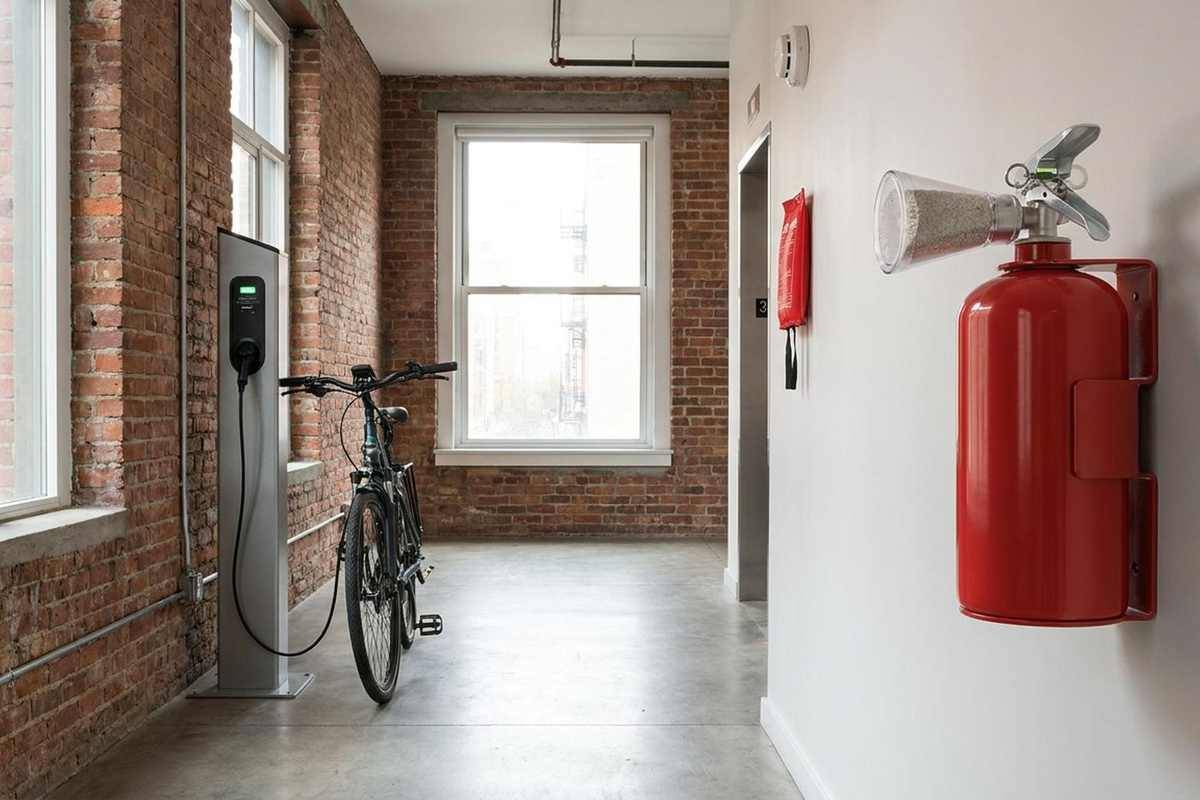
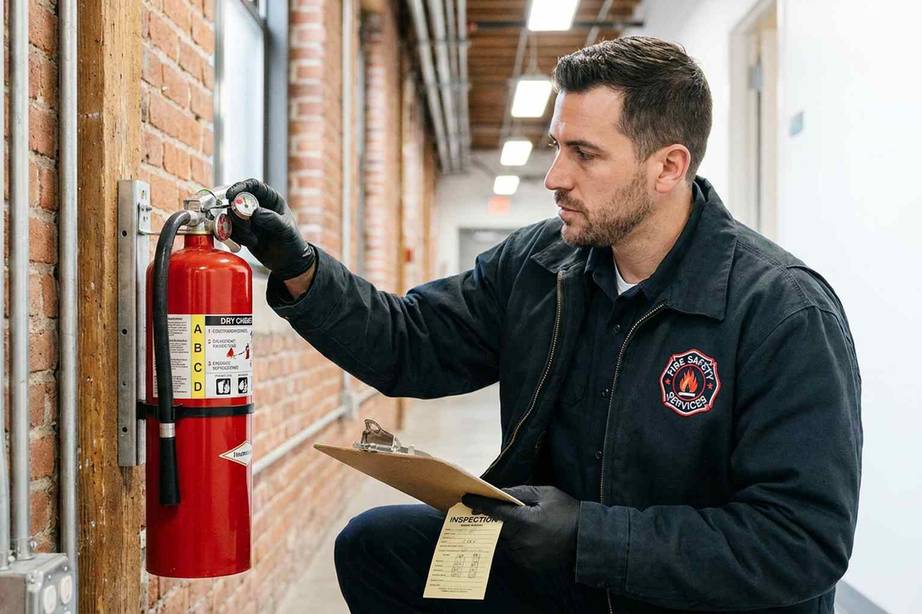
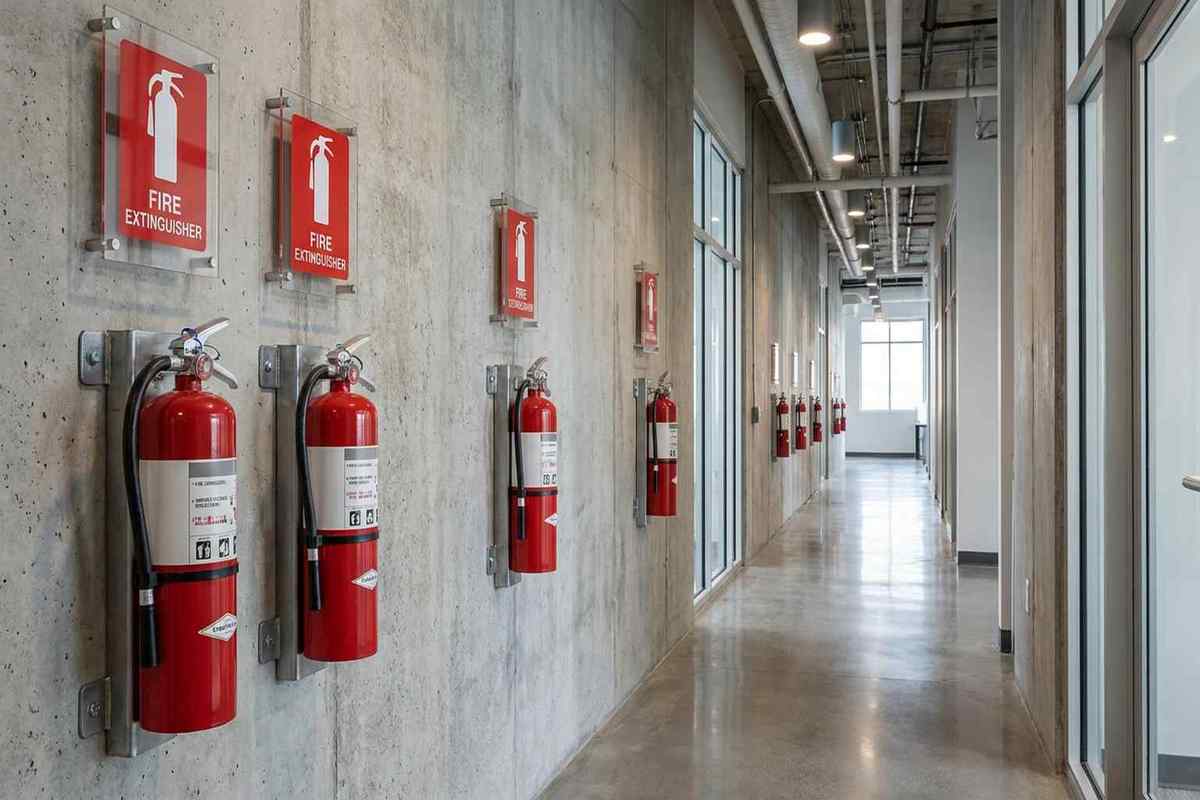
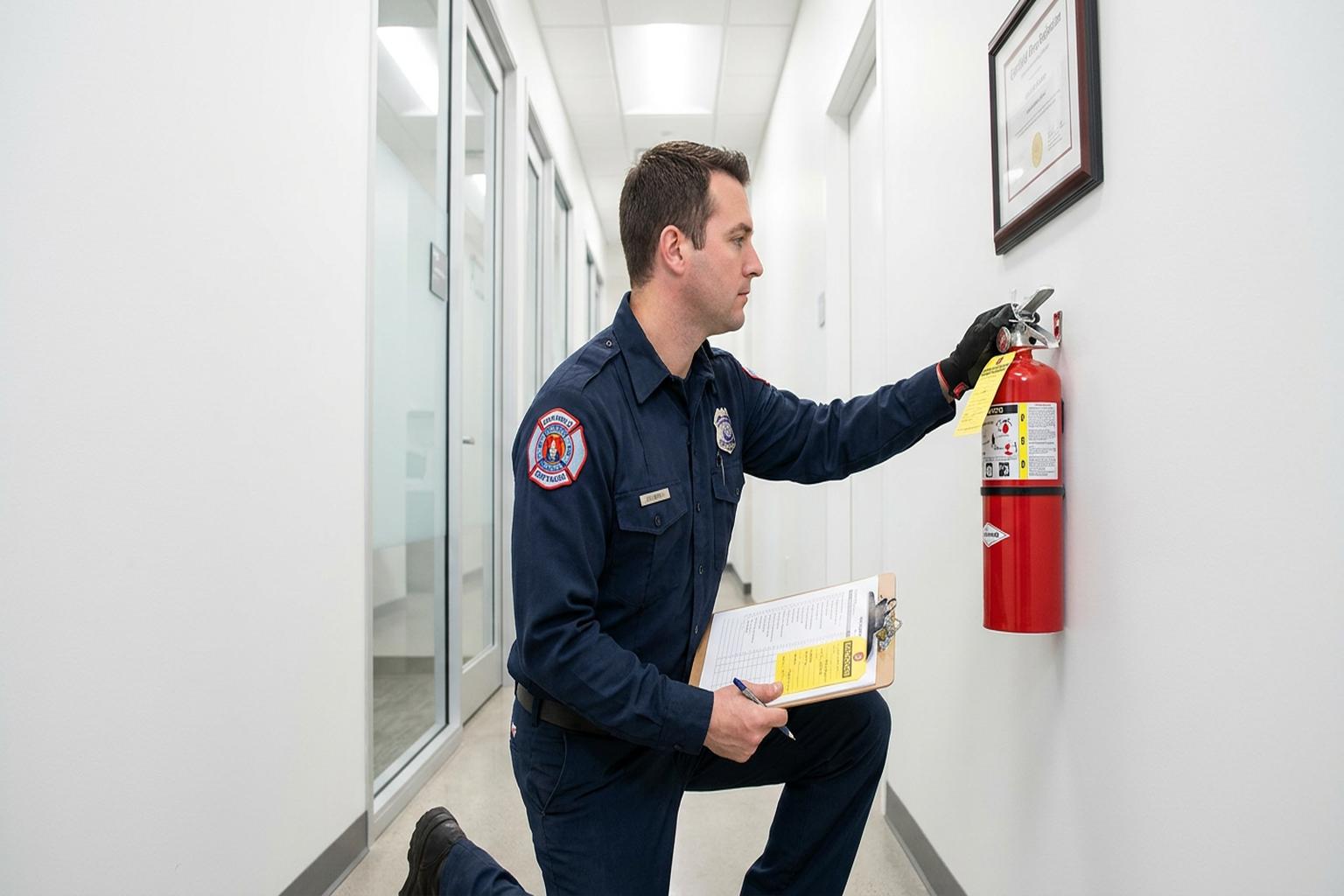
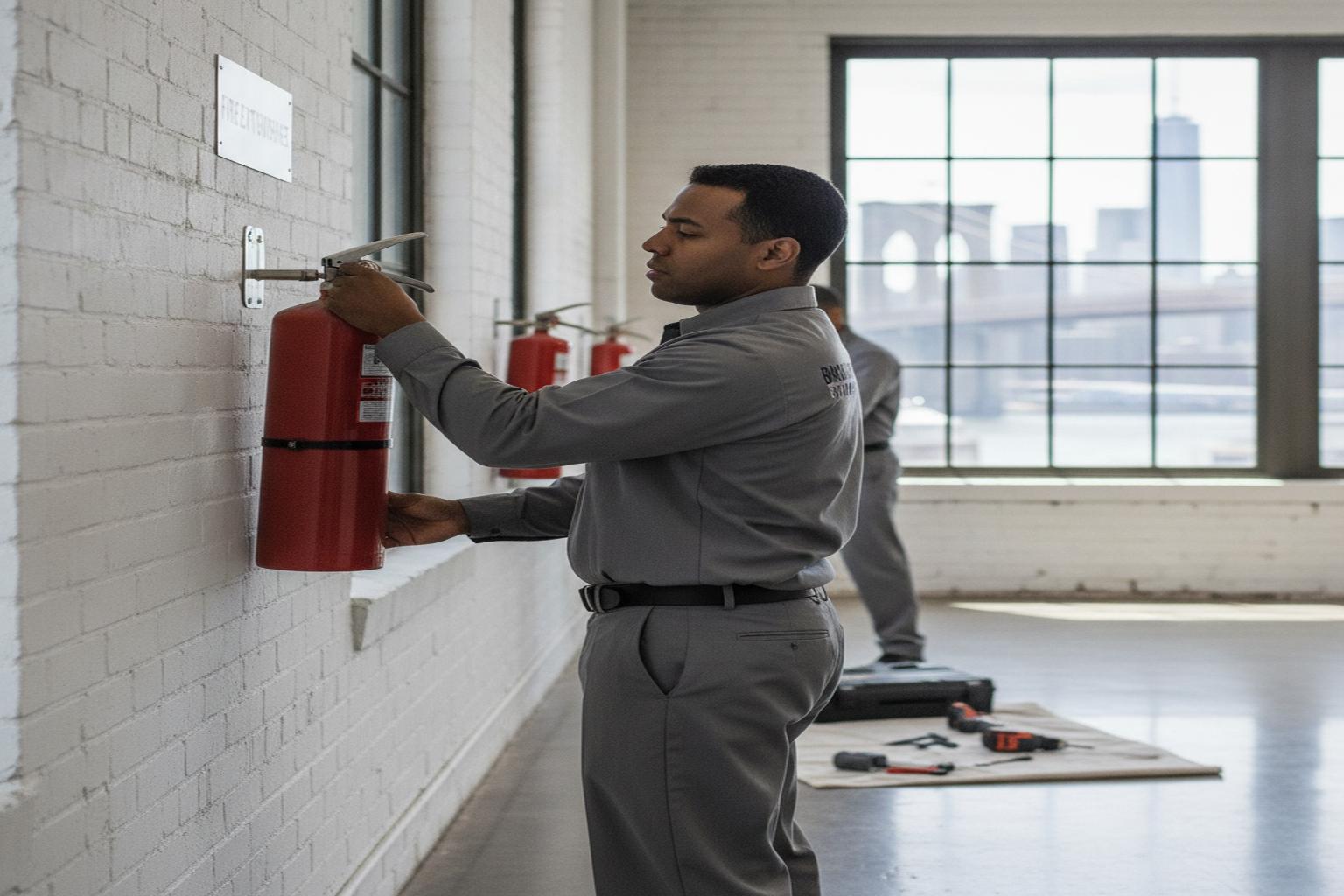
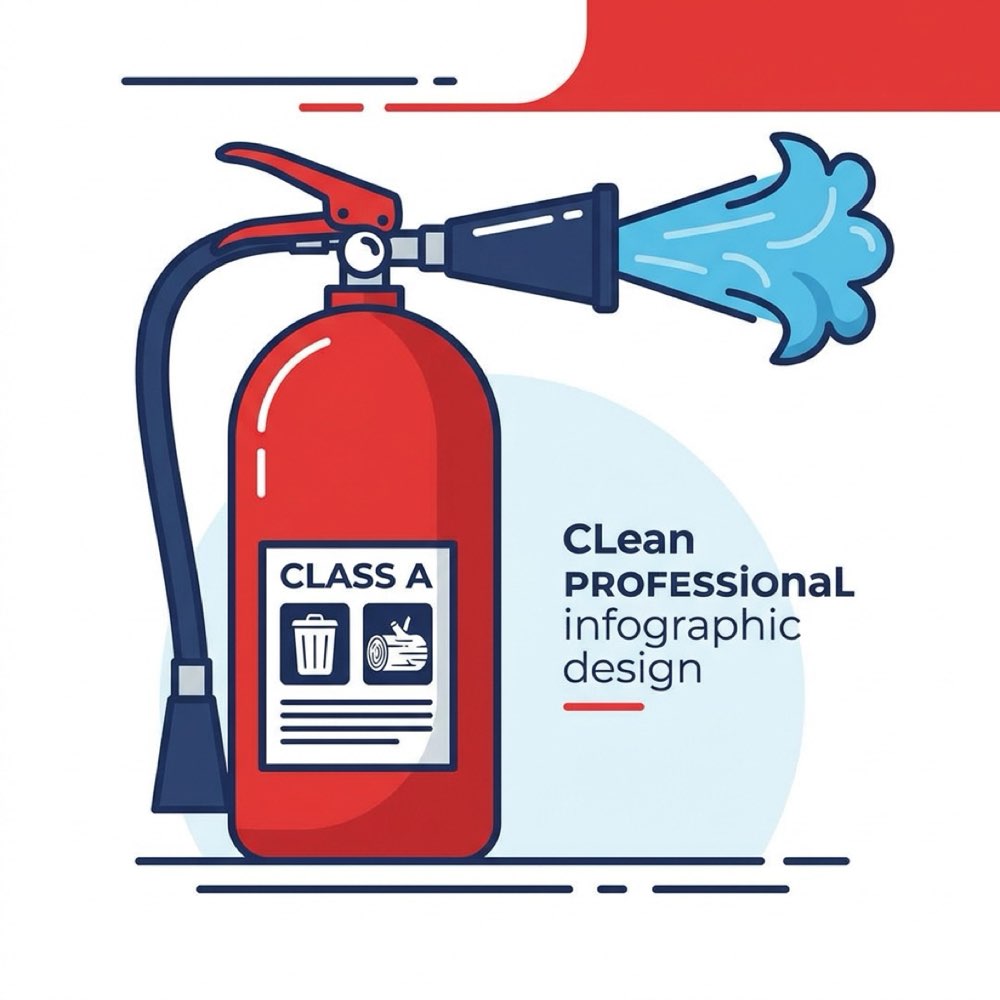
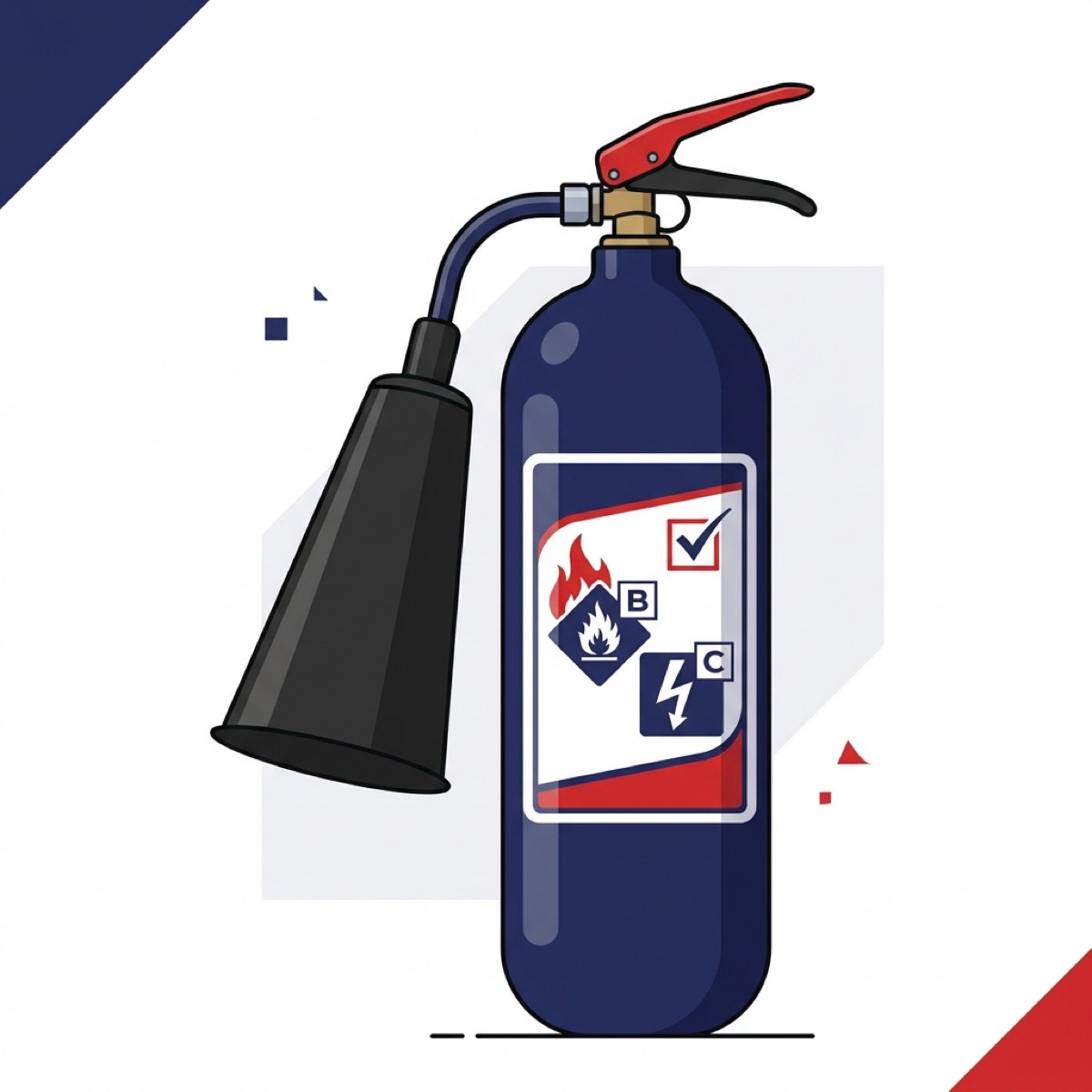
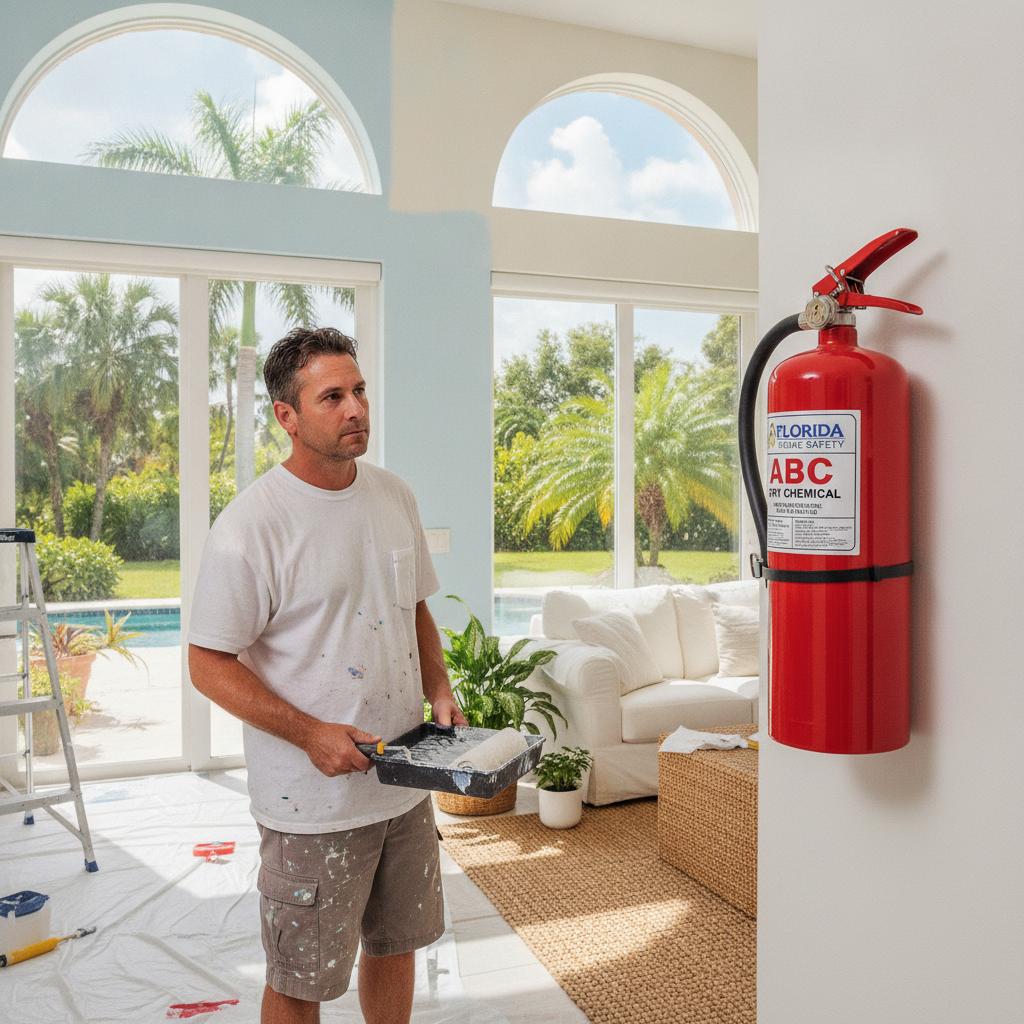
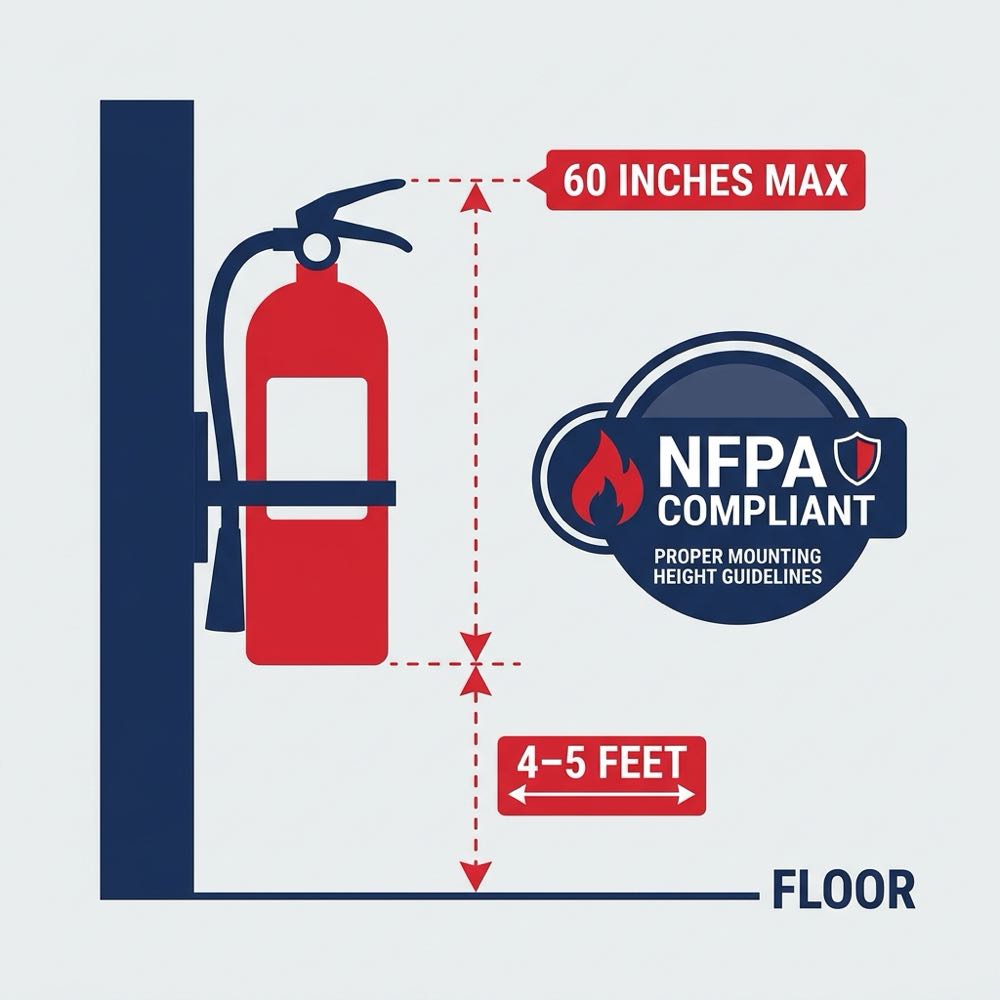
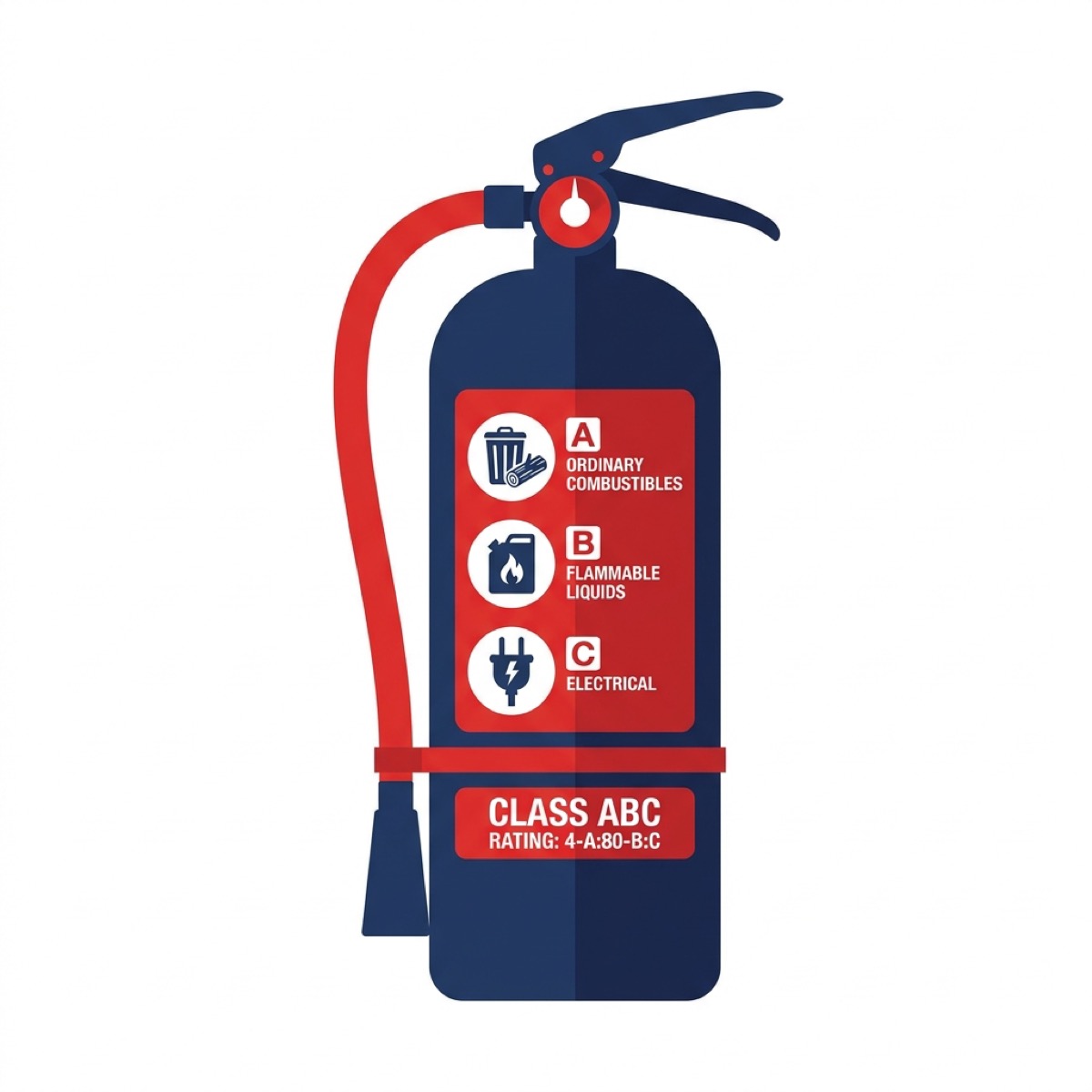
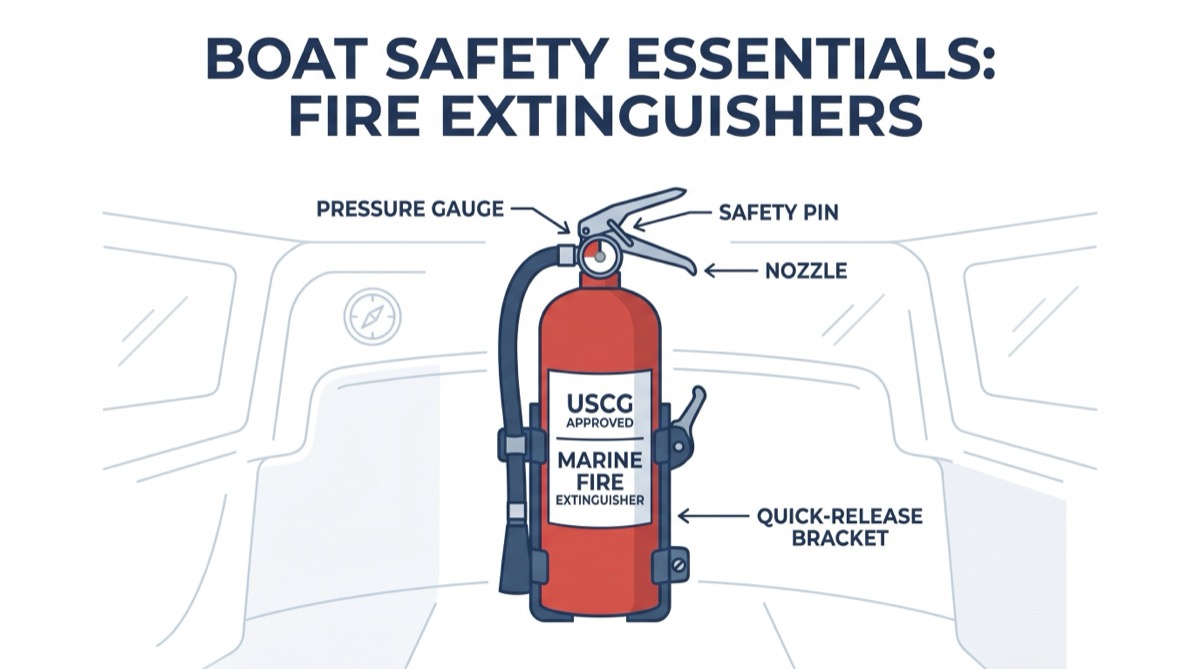
Routine checks of fire extinguishers are key to confirming they are accessible and fully operational. Each extinguisher should be easy to spot, free of obstructions, and mounted at a height of 3.5–4.5 feet for quick access, with at least 3.3 feet of clearance around it.
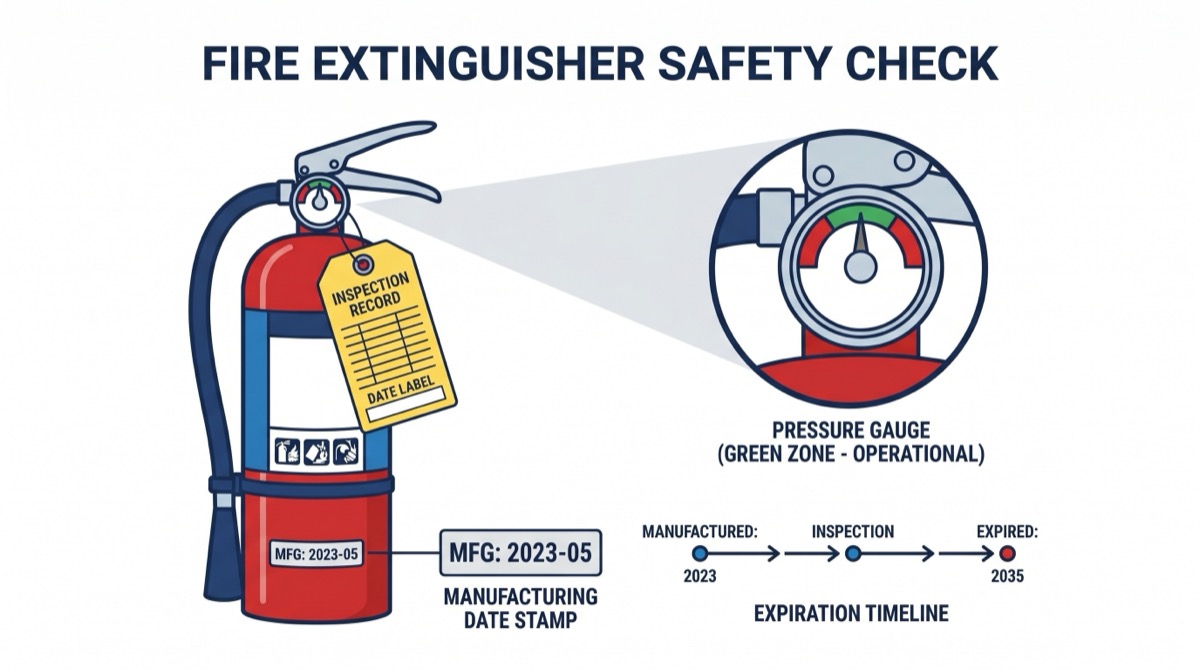
Check the pressure gauge to ensure the needle is in the green zone, indicating proper pressurization. Inspect seals and pins for any signs of tampering or damage, confirming the extinguisher hasn’t been discharged since its last service.
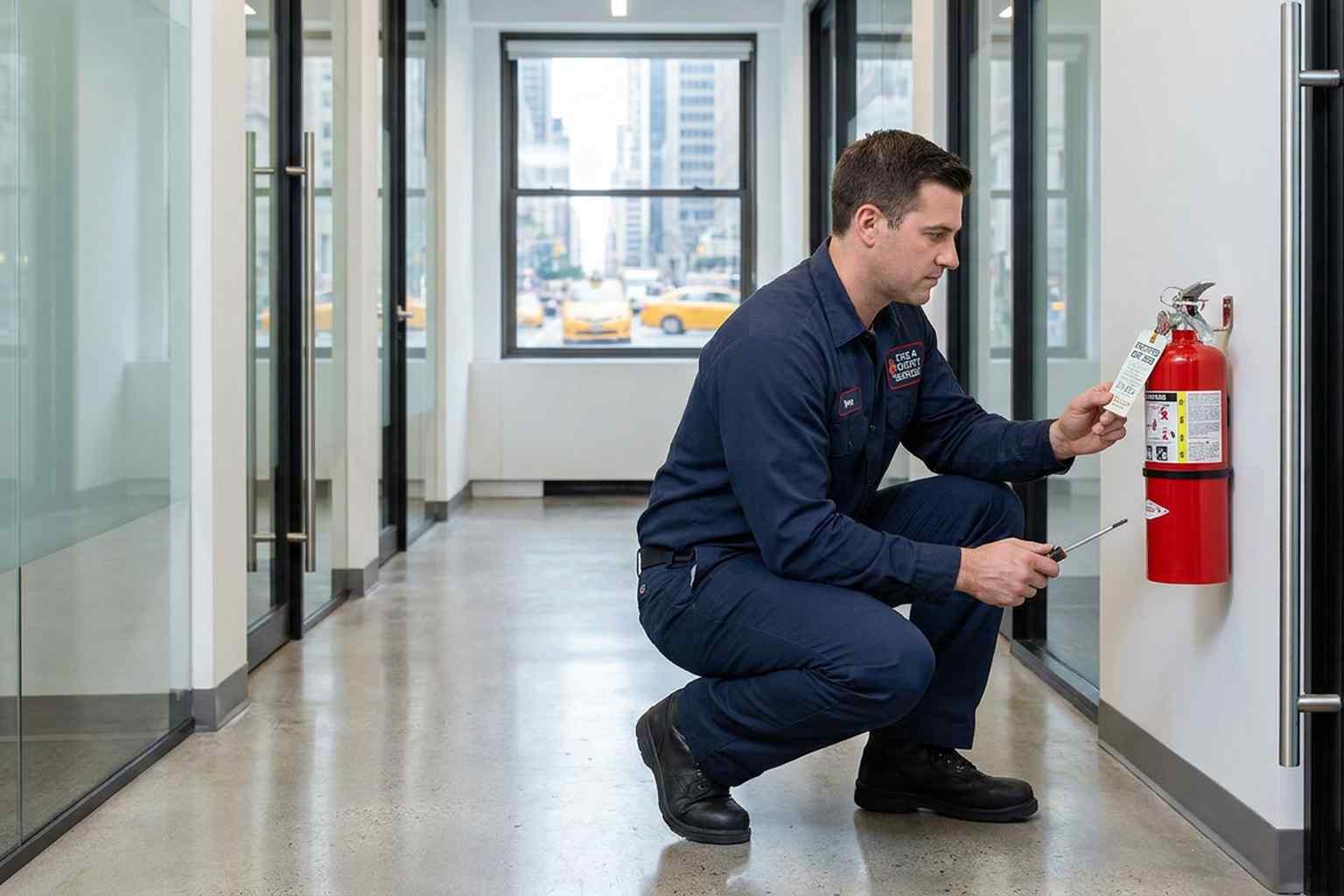
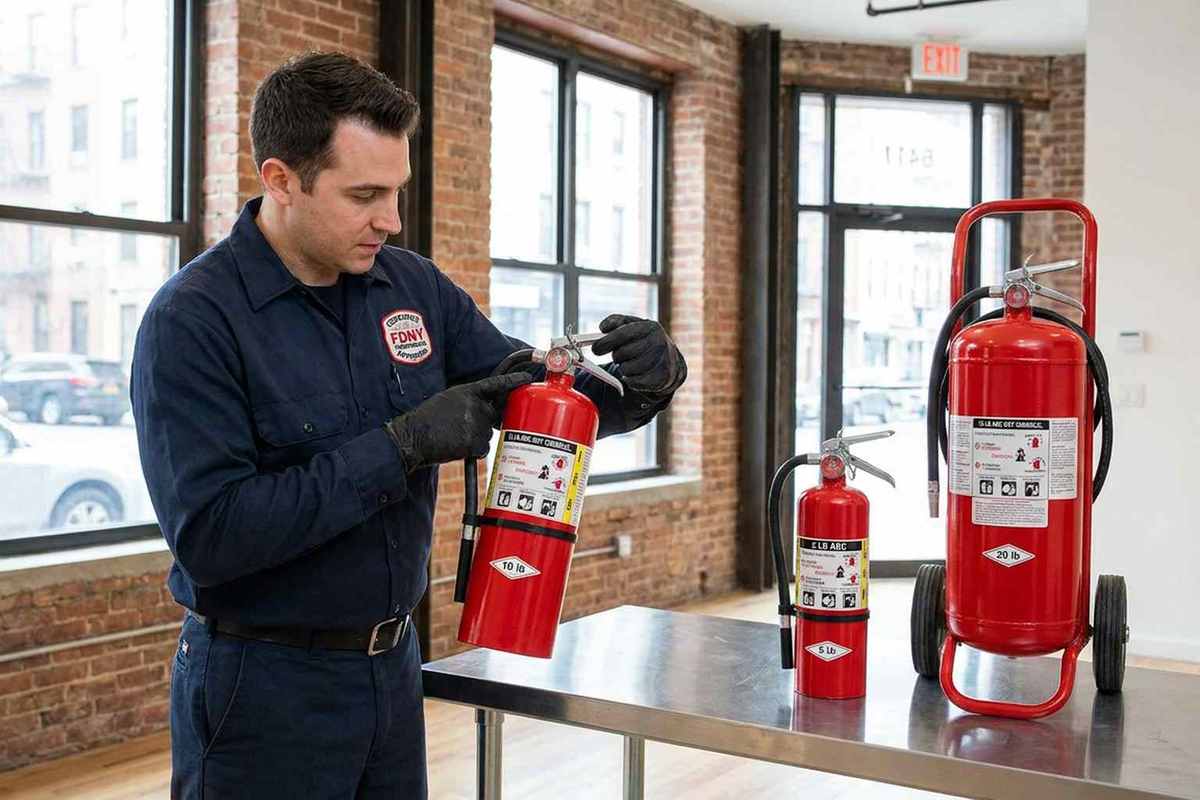
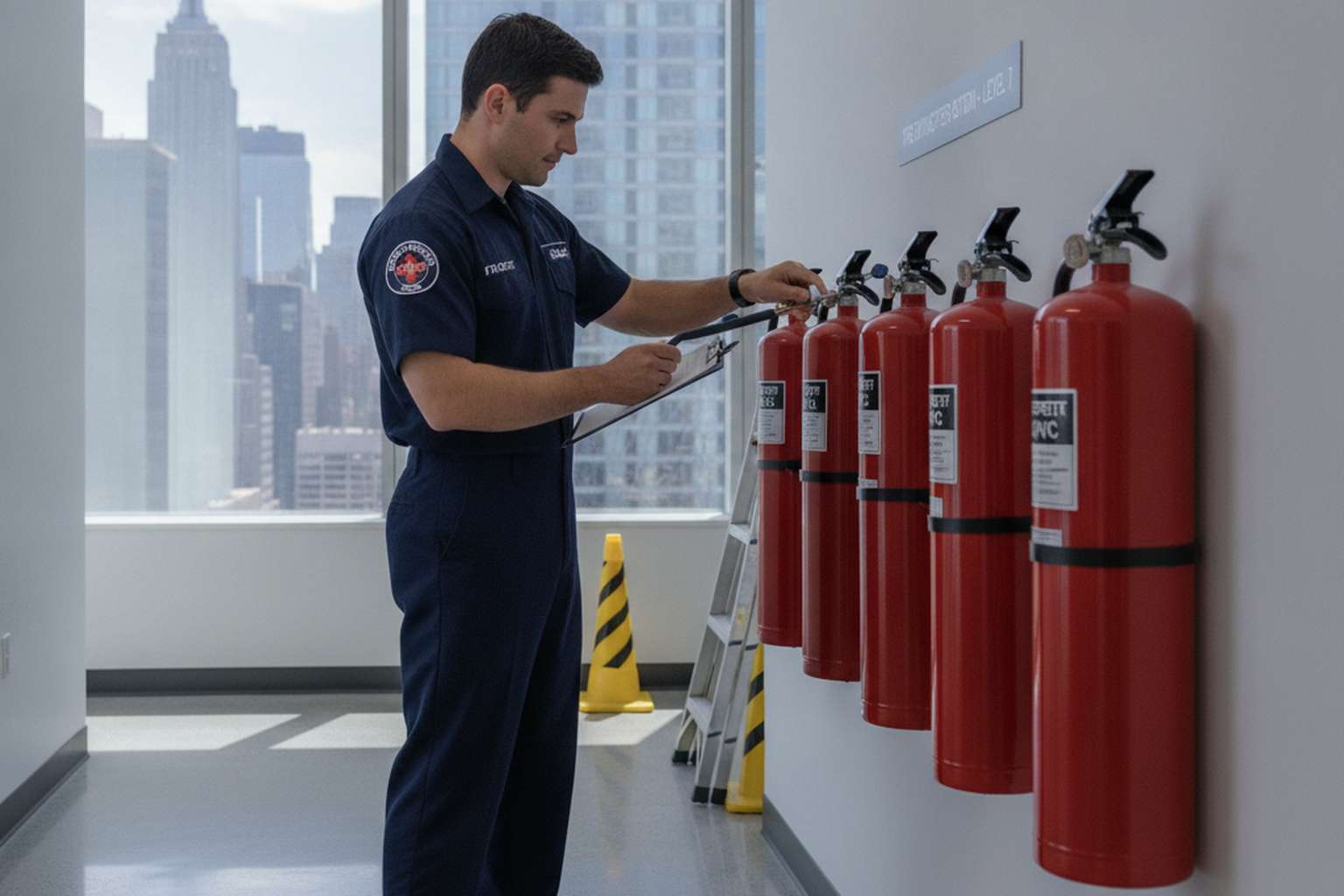
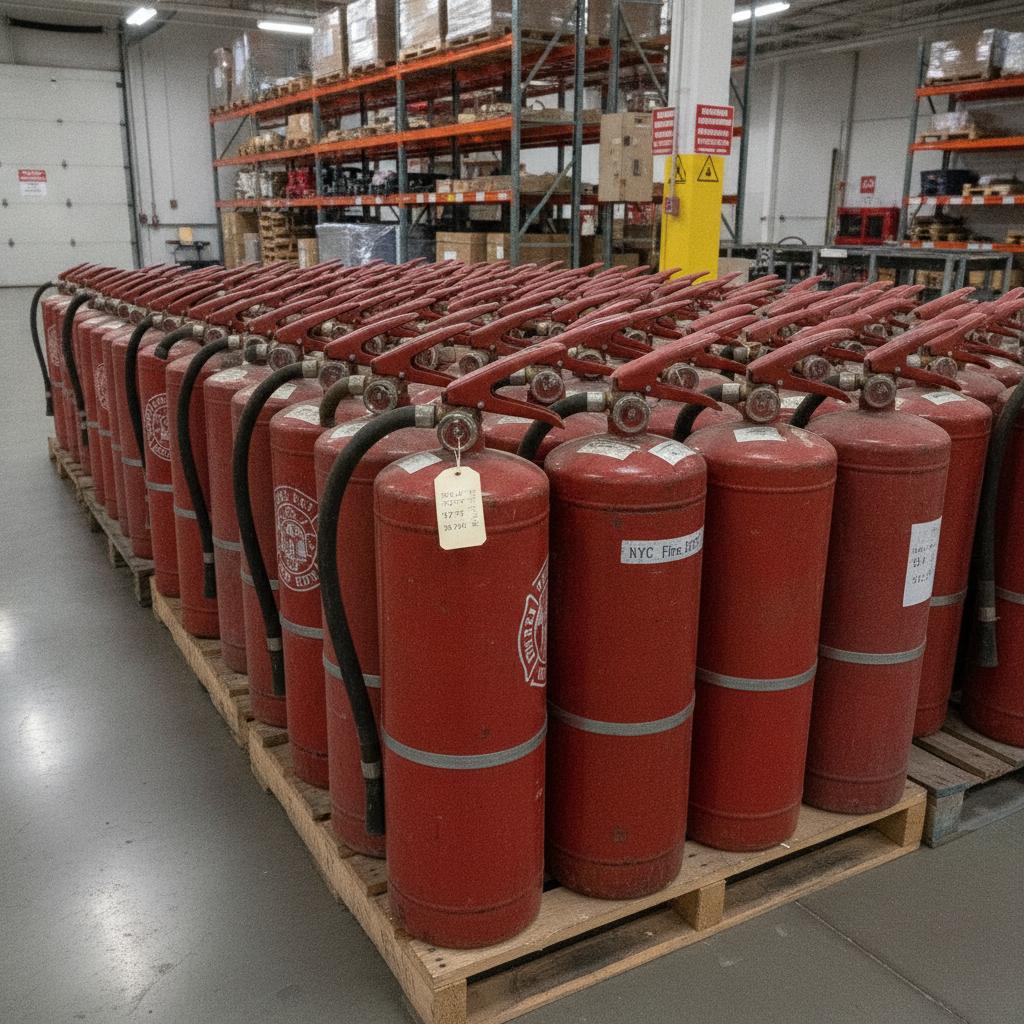
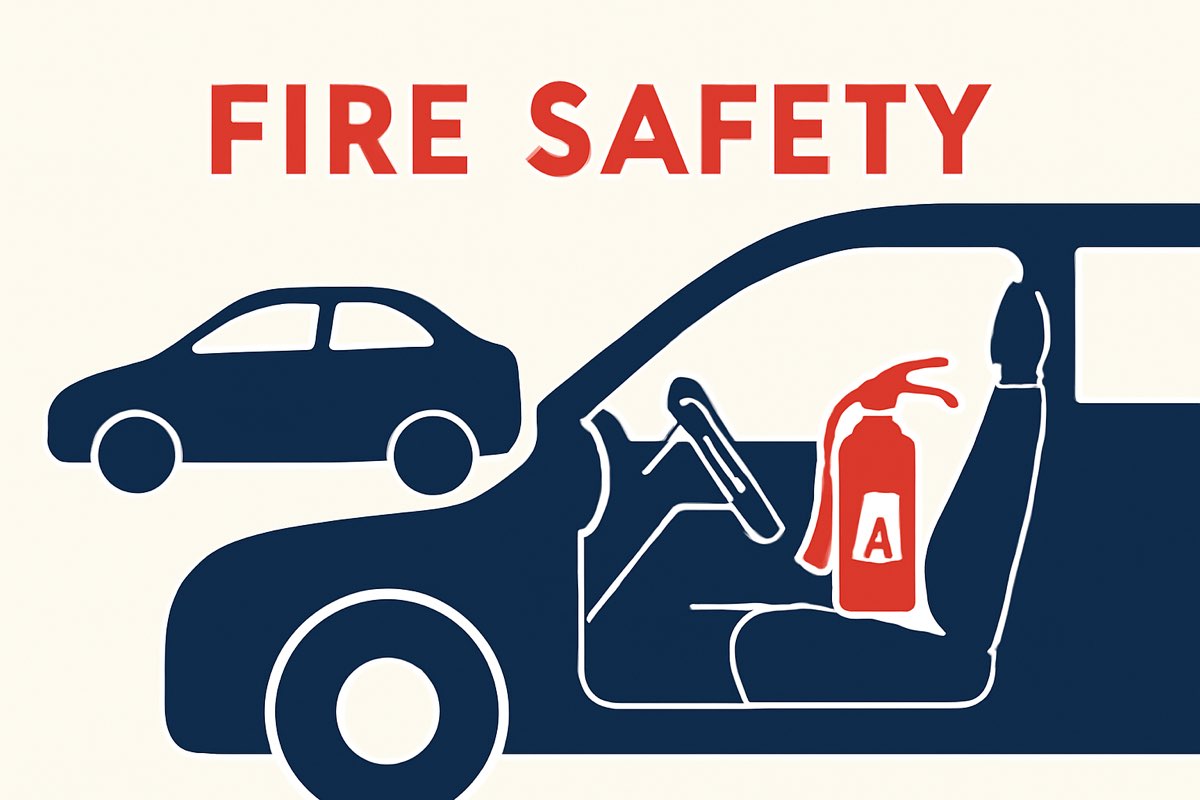
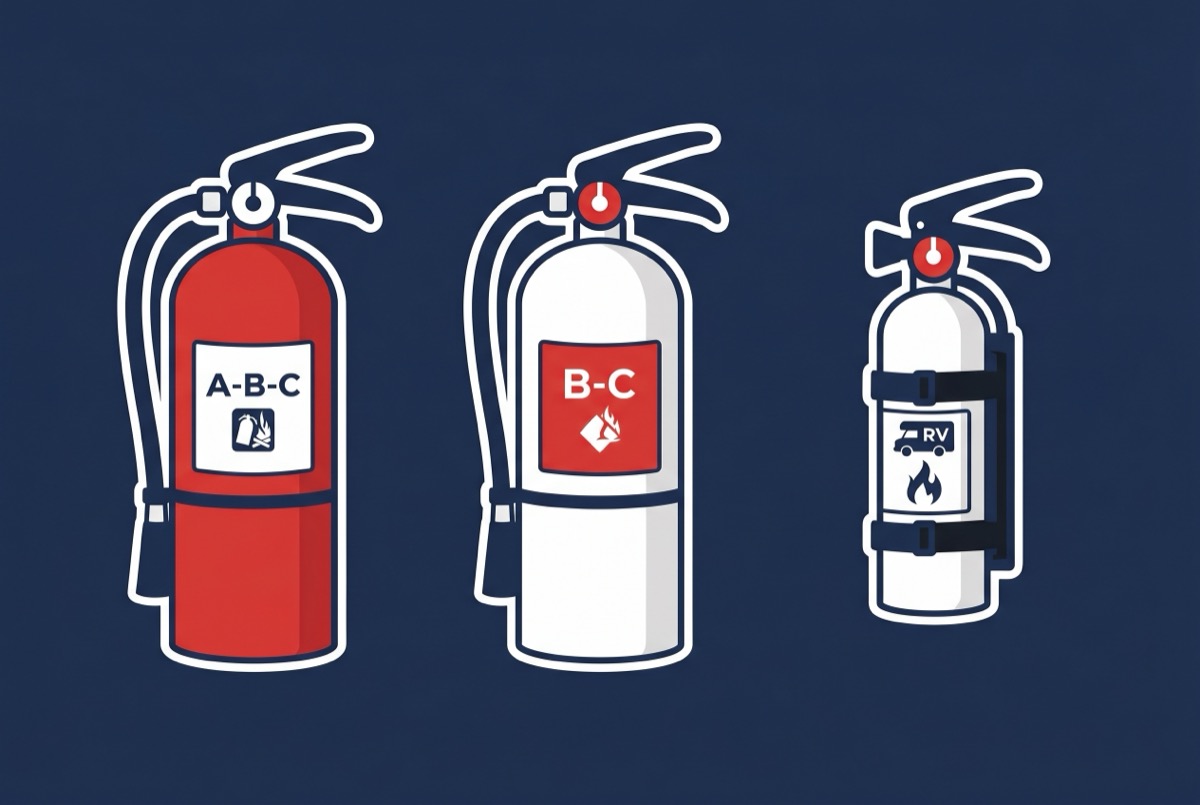
Facility staff should perform a visual inspection every month, while professional servicing is required annually. According to the National Fire Protection Association (NFPA), workplaces with Class A combustible materials should have at least one 2-A fire extinguisher for every 3,000 square feet of space. Take inventory of your extinguishers to ensure compliance with this standard.
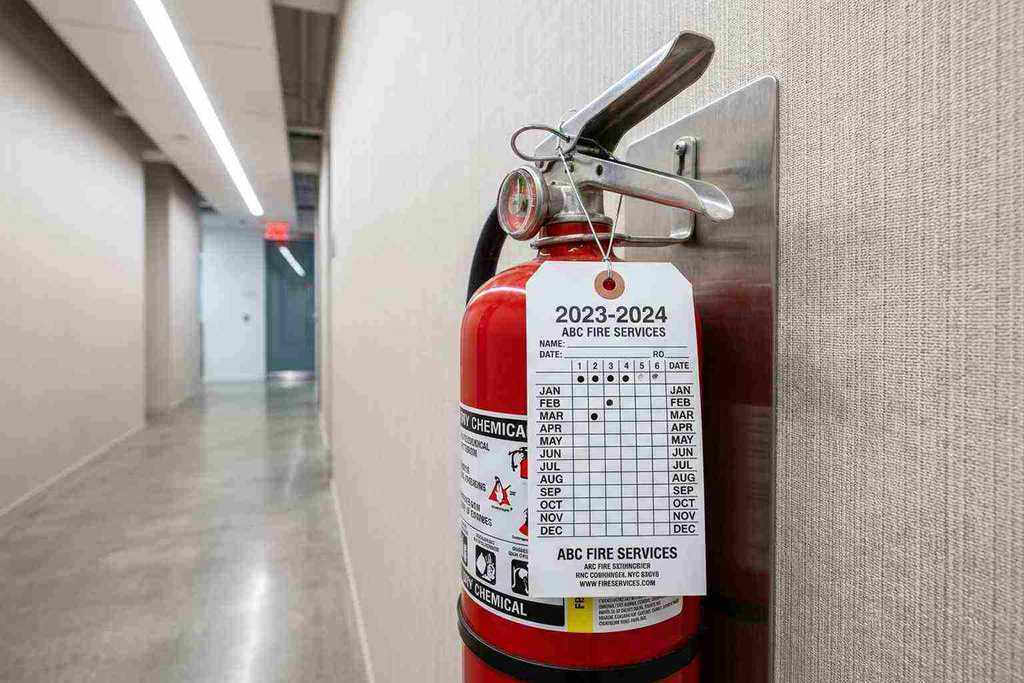
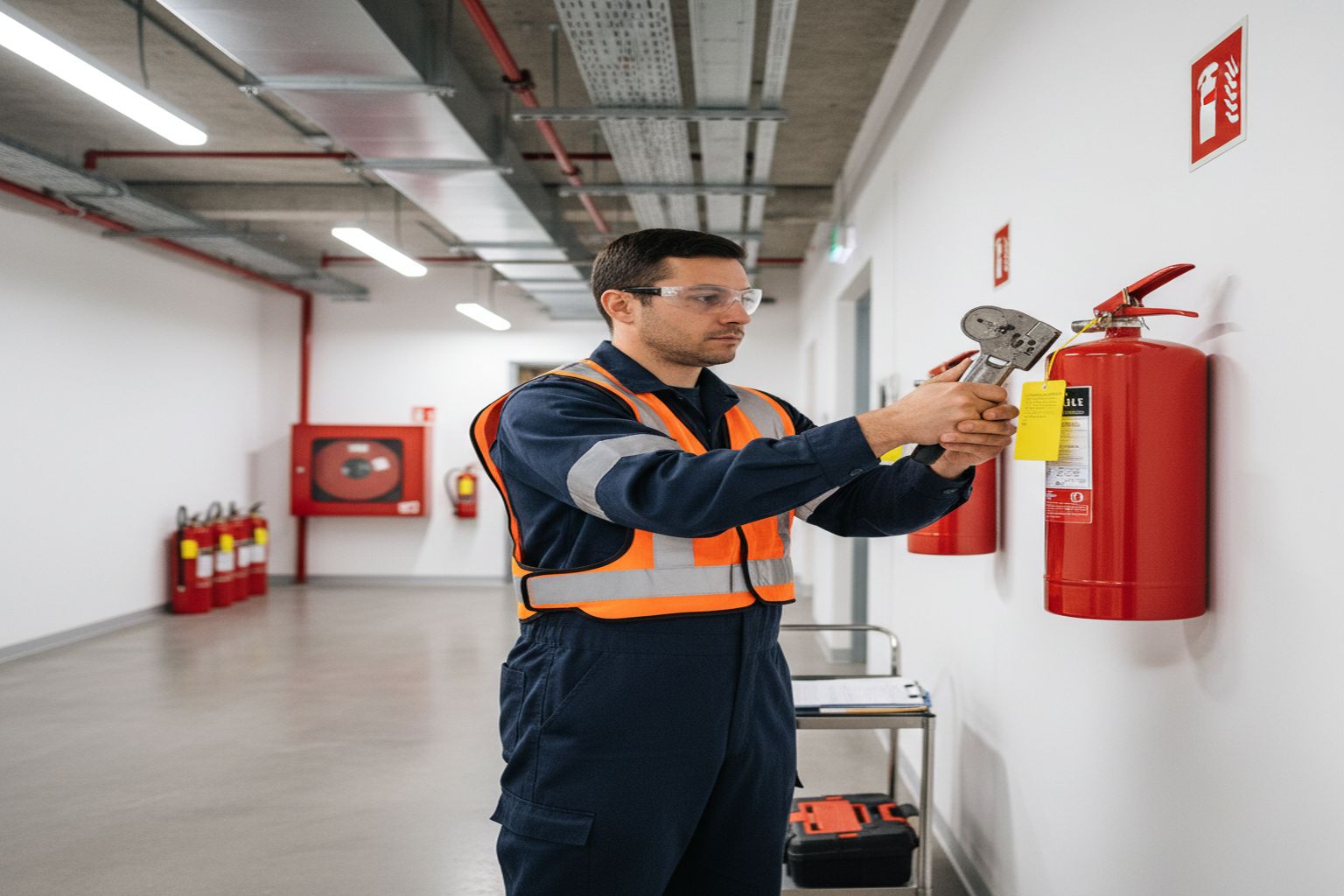
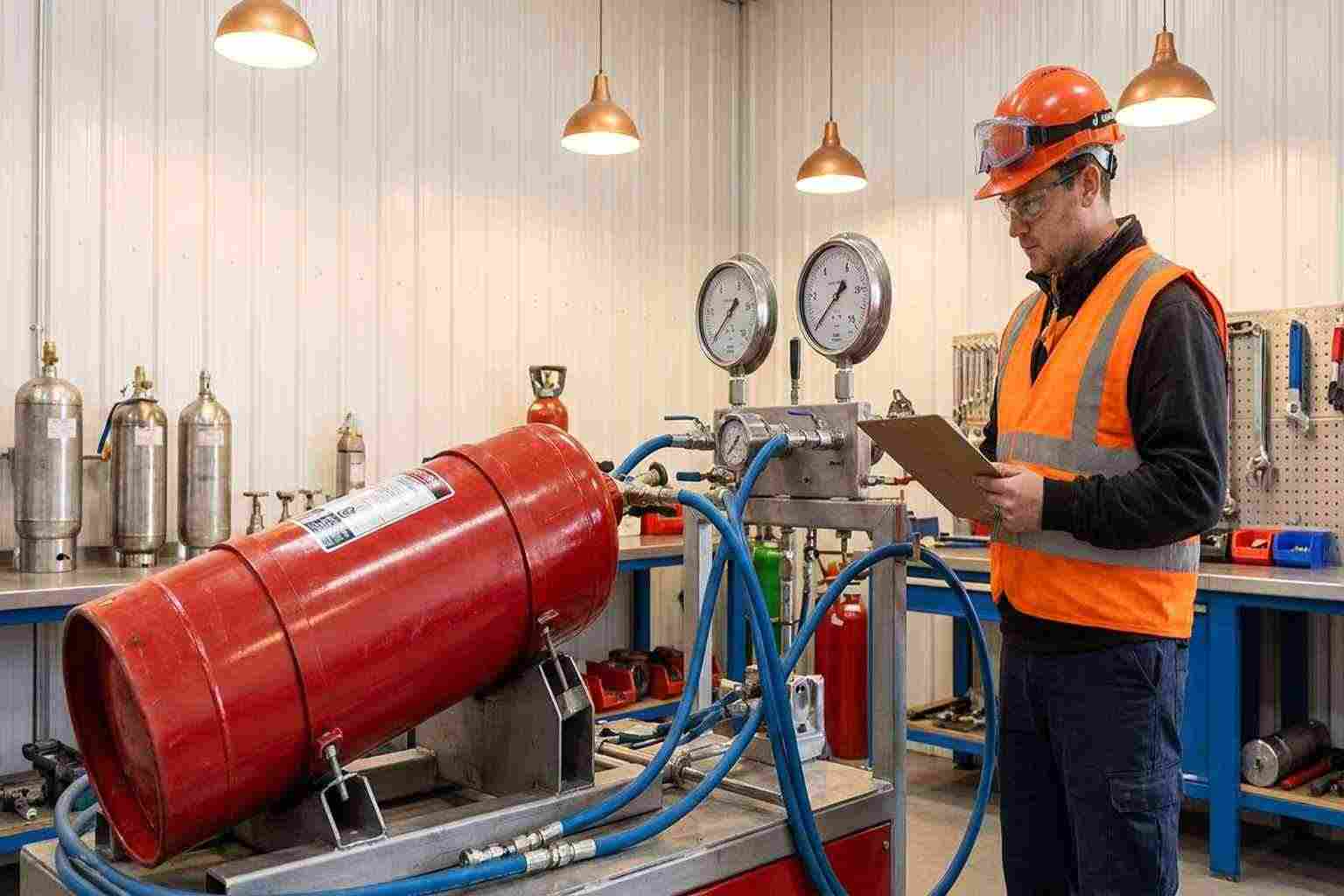
Professional servicing includes internal checks, pressure testing, and recharging when necessary. These tasks must be performed by licensed technicians in accordance with current FDNY and NFPA guidelines. For businesses in Brooklyn, Queens, and nearby areas, A&J Fire offers expert inspection, tagging, testing, and recharging services to keep your equipment compliant with regulations.
Sprinkler and Standpipe Systems
Sprinkler systems need thorough inspections to confirm they can deliver water effectively during emergencies. Ensure that all sprinkler connections and shut-off valves are easy to locate and access. Sprinkler heads should be clean and free of obstructions, while the piping should be checked for leaks, damage, or corrosion, as these issues can hinder performance.
Testing water pressure is crucial to verify that the system meets code requirements. Keep detailed records of pressure readings and test dates. Fire pumps, which maintain water pressure for upper floors or remote areas, should also undergo regular testing, with documentation stored for reference. Standpipe systems, which provide firefighters with water access throughout the building, require inspection to confirm hose connections are accessible, valves operate correctly, and storage cabinets are either unlocked or equipped with breakable glass.
NFPA 25 outlines the minimum requirements for inspecting, testing, and maintaining water-based fire protection systems. Following these standards, along with any local fire code regulations, ensures that sprinklers, standpipe systems, and fire pumps remain effective. Updated 2025 fire safety codes have introduced stricter rules for sprinkler installations, especially in older buildings undergoing renovations. It’s important to confirm any recent updates comply with these standards. Additionally, fire-resistance-rated features, such as fire doors, walls, and barriers, should be properly maintained in areas with sprinkler systems.
Specialized Suppression Systems
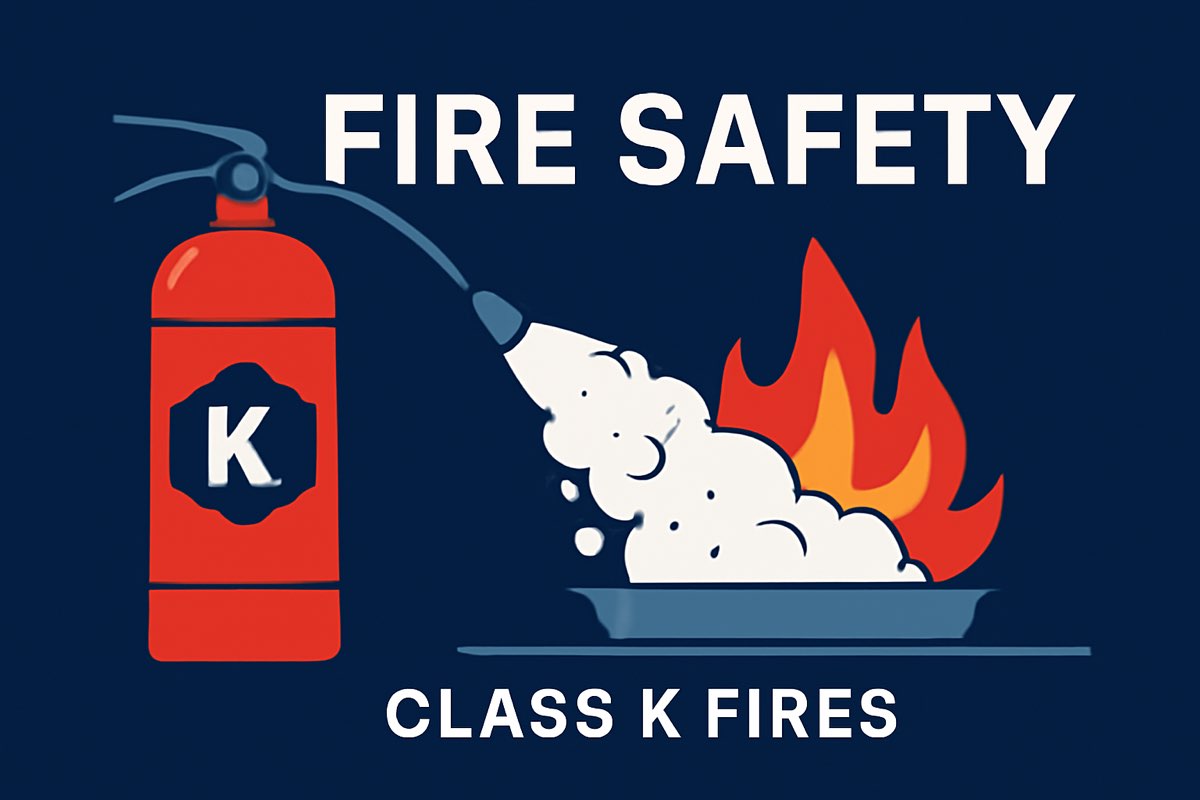
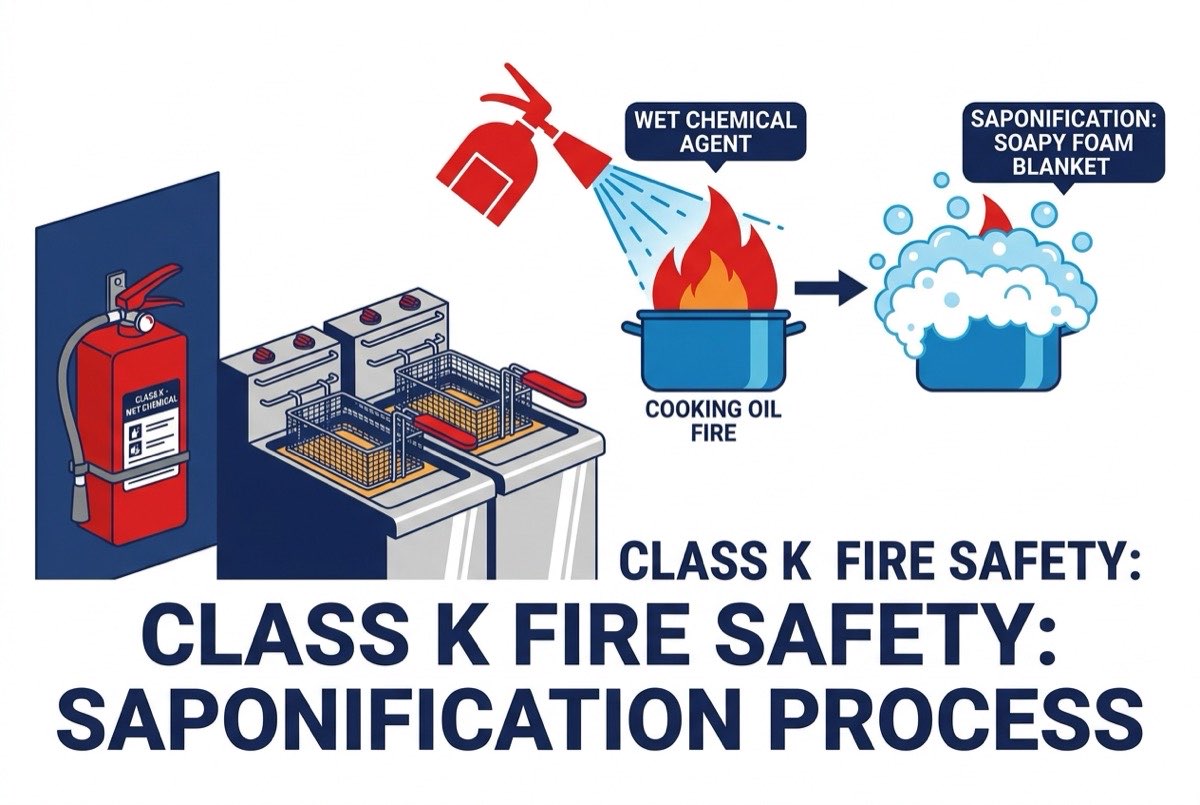
Certain facility areas may require suppression systems designed for specific fire risks. For instance, commercial kitchens rely on hood suppression systems to manage grease fires. Ensure these systems are fully charged, that nozzles are clean, and that manual pull stations are easy to access.
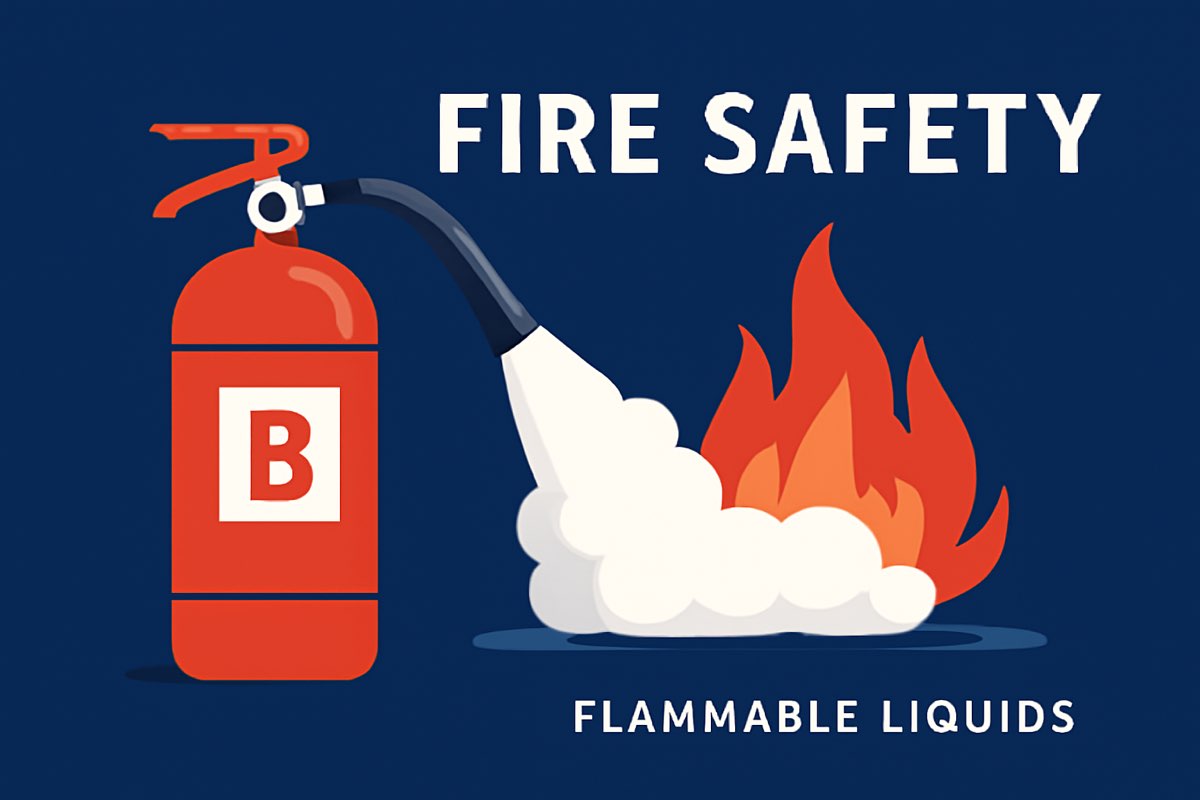
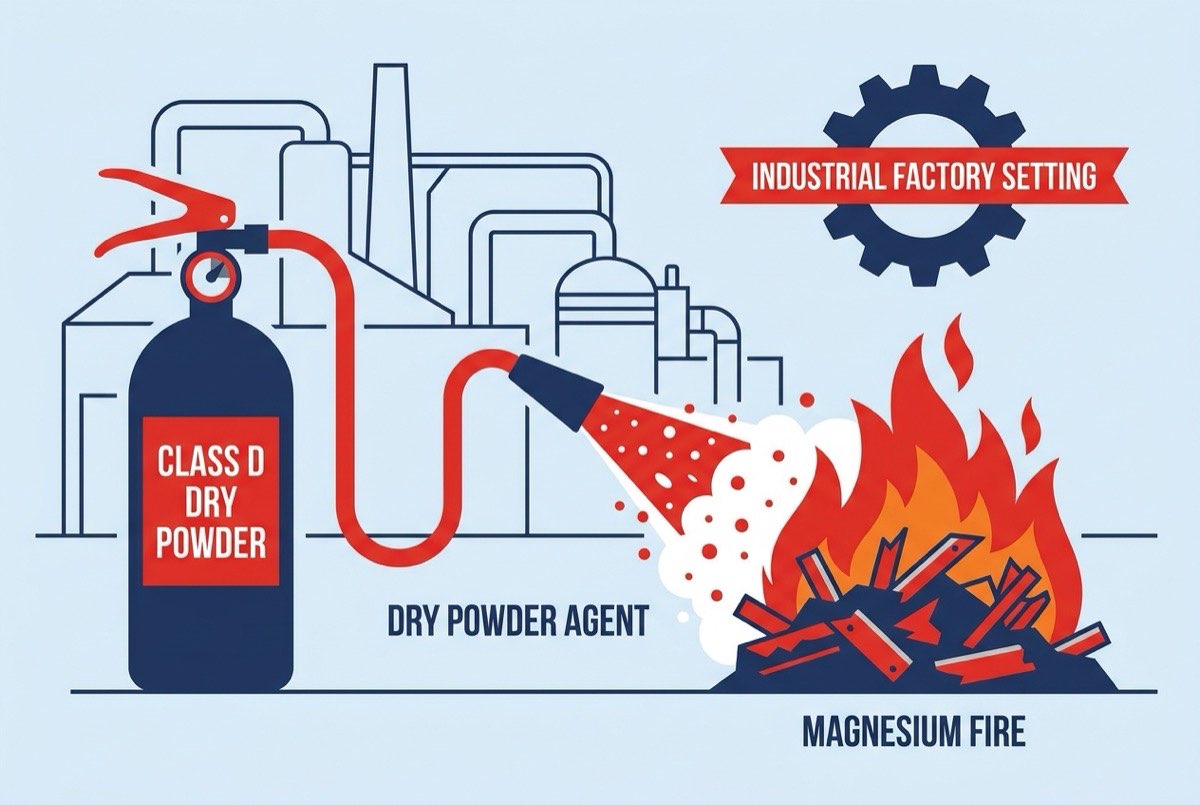
Facilities storing chemicals or flammable materials may use dry chemical or foam suppression systems. These systems must remain charged and accessible, with clear signage indicating their purpose and location. Similarly, suppression systems in electrical rooms are designed to extinguish fires without harming sensitive equipment. Verify that these systems use appropriate suppression agents for the environment.
Each specialized suppression system should be inspected according to the manufacturer’s guidelines and applicable fire codes. Licensed professionals familiar with your facility’s unique needs are best suited for these inspections. Keep comprehensive records for all suppression equipment, including installation dates, inspection schedules, maintenance logs, and any corrective actions taken. Up-to-date documentation is vital during fire marshal inspections, as missing maintenance records are a common reason for citations.
Clearly label rooms containing suppression equipment for quick identification. Schedule annual testing with certified professionals, as the resulting documentation is often critical for compliance audits and insurance evaluations.
Once suppression equipment is inspected, proceed to review emergency exits to complete your fire safety compliance checklist.
sbb-itb-aa8caf9
Emergency Exit Routes and Egress Systems
Emergency exits are a critical lifeline during any fire emergency. Like fire detection and suppression systems, properly maintained exits are essential for ensuring safety. Even with functioning alarms and suppression systems, people need clear, accessible pathways to evacuate quickly and safely. Fire inspectors routinely check exits, emergency lighting, and alarm panels during building inspections, making this a key area for compliance in 2025. Now that we’ve covered exit signage, let’s dive into the physical accessibility of evacuation routes.
Exit Signage and Illumination
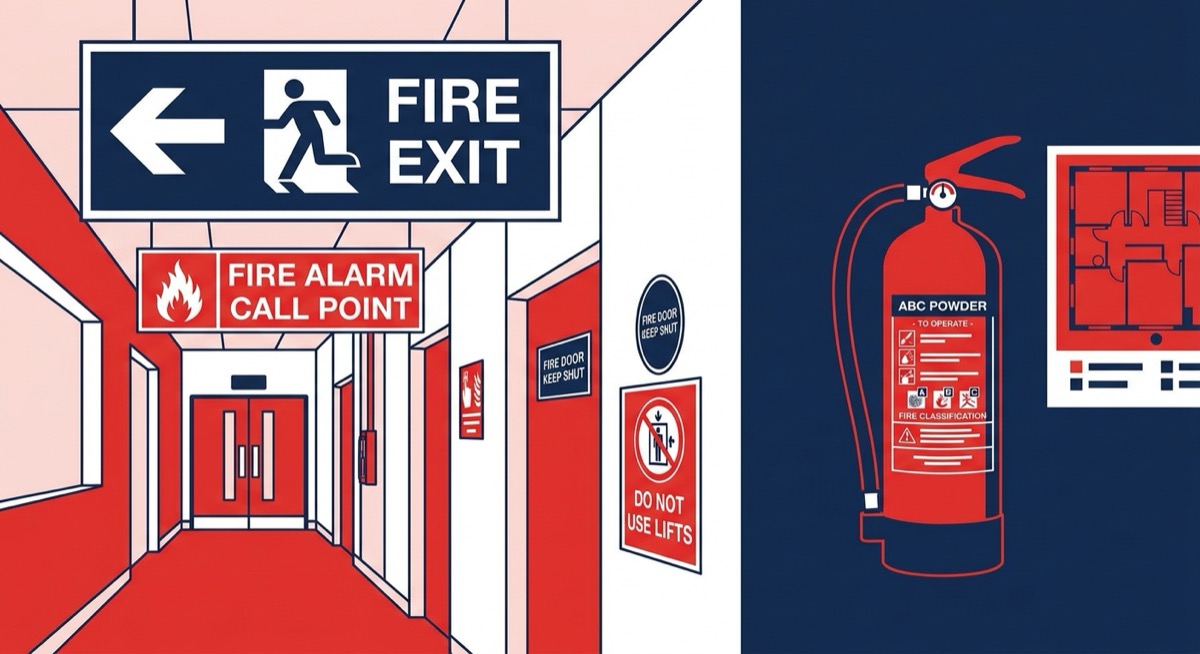
Exit signs must always be illuminated or self-illuminating, with backup batteries in working order. These signs should be visible from any point along the evacuation route, guiding occupants to safety even if smoke limits visibility. To ensure functionality, regularly test backup batteries by pressing the test button and replace them if they fail to light during a power outage.
Emergency lighting is another crucial component, automatically activating during power failures to illuminate hallways, stairwells, and exit doors. Annual testing of these systems is required, and keeping detailed records of these tests is essential for compliance.
Place exit signs throughout your facility so that no area leaves occupants uncertain about where to go. Commercial buildings, with their larger layouts and higher occupancy rates, often require more extensive signage compared to residential properties.
Additionally, fire alarm devices, pull stations, and control panels must have a 36-inch clearance around them. This ensures they remain accessible and visible during emergencies.
Pathway and Exit Accessibility
Keep all exit routes, hallways, stairwells, and doors free from obstructions, debris, or stored items. During inspections, check that areas like electrical panels, storage spaces, and kitchens are clear of anything that could block an evacuation path.
Fire doors play a vital role in containing smoke and flames, giving occupants extra time to evacuate. These doors must be self-closing and self-latching and should never be propped open. Test each fire door to ensure it closes completely and latches securely. Also, verify that chains or fusible links are free from paint, as this can hinder proper operation.
Mirrors or decorative coverings on exit doors are a no-go. In high-stress situations, mirrors can confuse people, making them think a mirrored wall is part of the hallway. Remove any decorations that might obscure exit doors or mislead occupants.
Exits must be accessible from the inside and locked from the outside only. Panic hardware should work smoothly, allowing doors to open immediately when pushed. Test each exit door manually to confirm it opens easily without resistance. Doors should also swing in the direction of egress to facilitate quick evacuation for large groups.
Rooms like electrical, mechanical, and boiler rooms must remain accessible and free from storage. Maintain at least a 3-foot clearance around electrical panels. While these rooms aren’t primary evacuation routes, keeping them clear ensures emergency responders can access critical systems during a fire.
Roll-down fire doors, which protect openings in fire-rated walls, require annual drop-testing by an external agency to confirm they deploy correctly in emergencies.
With clear and accessible exit routes in place, the next step is to document evacuation procedures and training to ensure full compliance.
Evacuation Route Documentation
Post updated evacuation plans near exits and elevators, revising them after any layout changes. Conduct annual fire drills and document the training provided to all occupants. Every facility should have a current, written fire and disaster plan.
For buildings with multiple tenants, regularly review and update evacuation procedures, especially after renovations, new partitions, or office reconfigurations. Outdated plans can mislead people toward blocked or nonexistent exits, creating unnecessary risks.
Train building staff and occupants to identify hazards like blocked exits, overloaded power strips, and signs of failing electrical systems. Staff should know their roles during evacuations and be familiar with all exit routes in their work areas.
For facilities serving individuals with mobility challenges or special needs, evacuation plans must address their specific requirements. Work with local fire departments to create procedures that account for everyone, including designated assembly areas, communication systems, and trained staff to assist with evacuations.
Fire marshal inspections often include checks for permits, system tags, and up-to-date documentation. Missing records are a common reason for citations, so keep centralized records of all exit route inspections, door mechanism tests, and evacuation drill documentation. This is especially important for buildings subject to third-party inspections or insurance audits.
Fire safety inspections should be conducted annually or semi-annually, as required by local codes. Since inspection frequency varies by state, consult your state’s fire marshal directory for specific regulations. For properties in Brooklyn, Queens, and surrounding areas, A&J Fire offers comprehensive fire safety inspections to identify violations related to exit routes and egress systems, ensuring compliance with FDNY, OSHA, NFPA, and NAFED standards.
Carefully document all exit inspections to support ongoing compliance efforts.
Inspection Records and Compliance Documentation
Keeping proper records is crucial for staying compliant and avoiding fines or legal trouble. Property owners and managers need to maintain key documents like inspection reports, service logs, and permits to show adherence to safety regulations.
Centralized record-keeping not only demonstrates a commitment to compliance but also helps spot trends that could prevent future violations. Whether you’re responsible for a commercial building, residential complex, or industrial facility, having an organized system for documentation is essential for meeting 2025 compliance standards. Here’s how to manage your logs and records efficiently.
Monthly and Annual Inspection Logs
For compliance, you need to document monthly and annual inspections for various equipment and systems. For example, fire extinguishers require monthly checks by the owner or occupant (or electronic monitoring) and annual maintenance with detailed records.
Monthly logs should include details like the inspection date, equipment location, ID number, pressure gauge readings, seal and pin condition, and whether the extinguisher is accessible and unobstructed.
Annual inspections cover larger systems like boilers, elevators, gas pipes, and fire safety systems (e.g., sprinklers and alarms). These logs should capture the inspector’s credentials, detailed findings, any maintenance performed, and the next inspection date. Additional monthly checks might include testing smoke alarms, ensuring exit signs are lit, and verifying pathway clearance. Since inspection rules vary by state and building type, consult your local fire marshal directory for specific guidelines.
Service and Maintenance Documentation
Service records are just as important as inspection logs. Keep detailed documentation from licensed technicians for all fire safety equipment. Each record should list the technician’s name, certification, the work performed, any replaced parts, and confirmation that the equipment is functioning correctly.
For fire extinguisher maintenance, records should note tasks like recharging or tag replacement. Include details such as the recharge date, amount of extinguishing agent added, and the technician’s signature. Organizing these records by location (e.g., by floor or department) and cross-referencing them with inspection logs makes it easier to confirm that all equipment is up to date.
"Our comprehensive fire extinguisher service includes fire extinguisher sales, rentals, installations, recharging, inspections, and more in Brooklyn, NYC, emphasizing the importance of regular fire extinguisher maintenance by licensed professionals to meet FDNY, OSHA, NFPA, and NAFED guidelines." – A&J Fire Extinguisher
Third-party inspection reports are another essential piece of documentation. These reports should include the inspector’s credentials, inspection date, findings, and any recommendations for repairs. Retain these reports for the required period (usually three to five years) as specified by your local fire code. Fire alarm systems, in particular, must be monitored by an approved supervising station per NFPA 72 standards. Keeping these records current simplifies compliance verification.
Compliance Verification
To verify compliance, your documentation should clearly reference the standards your property must meet. A compliance matrix can be a helpful tool, listing each standard (e.g., NFPA 25 for water-based fire protection systems), its requirements, and evidence of compliance.
For FDNY compliance in New York City, keep records showing adherence to standards like self-closing doors, stairwell signage, and floor number postings on stairwell doors. For OSHA compliance, ensure that fire safety equipment is installed and maintained according to occupational safety standards. Detailed records of inspections, testing, and maintenance will also support compliance with NFPA guidelines.
Verification involves keeping inspection reports from licensed professionals, certificates for fire drills and training, and records of corrective actions for any violations. For each issue, document the violation, discovery date, correction deadline, and actions taken (including before-and-after photos if needed).
Digital tools can make compliance management easier. Cloud-based platforms and spreadsheets with automatic reminders can help you track inspection dates, findings, and maintenance schedules. These systems ensure that your records are easily accessible during inspections or audits.
For properties in Brooklyn, Queens, and surrounding areas, A&J Fire offers comprehensive fire safety services that align with FDNY, OSHA, NFPA, and NAFED standards. Ensuring that equipment access remains unobstructed and maintaining thorough documentation not only supports compliance but also protects you in case of disputes over violation corrections.
Conclusion and Next Steps
This review highlights the importance of consistently following the outlined steps to maintain fire safety compliance in 2025. Treating fire inspections as an ongoing responsibility, rather than a one-time task, is the key to ensuring safety and avoiding costly violations.
Key Takeaways
Fire safety compliance hinges on three primary factors: functional equipment, accessible emergency systems, and complete documentation. Key actions include:
- Annual testing of detectors, control panels, and alarms.
- Keeping fire extinguishers and sprinkler systems accessible and properly maintained according to both manufacturer guidelines and local regulations.
Emergency exit routes require special focus. Blocked exits are among the most common violations during inspections. Regular walkthroughs by property managers can ensure pathways remain clear, exit signs stay lit, and emergency lighting works as intended. These simple checks not only help avoid violations but also ensure safe evacuation during emergencies.
Centralized record-keeping is another critical component. When fire marshals or insurance auditors review your property, well-maintained records demonstrate consistent compliance. This eliminates the need to scramble for last-minute fixes before inspections.
Staff training is equally important. Educate occupants on hazard identification and conduct at least one fire drill annually to reinforce safety protocols.
Proactive compliance also brings financial advantages. Regular inspections and maintenance reduce risks, lower costs tied to emergency incidents, and ensure smooth operations. Additionally, properties with strong compliance records often attract higher-quality tenants and may even command better rental rates. The cost of regular inspections is minimal compared to the potential damages or legal liabilities from fire-related incidents.
For any gaps in compliance, seeking professional support can provide the expertise needed to address them effectively.
Professional Support for Fire Inspections
While property managers can handle many checklist tasks internally, licensed professionals bring an added layer of assurance. Certified technicians are trained in fire codes and standards, allowing them to spot potential violations before official inspections and recommend long-term solutions.
For those in Brooklyn, Queens, and nearby areas, A&J Fire offers comprehensive fire safety services. Their offerings include fire extinguisher sales, inspections, tagging, testing, recharging, rentals, installation, and violation removal. With expertise in FDNY, OSHA, NFPA, and NAFED standards, they provide property owners with confidence that their fire protection systems meet all regulatory requirements.
Certain tasks, like fire extinguisher maintenance, require specialized certifications and equipment. For example, beyond visual inspections, extinguishers need pressure testing, recharging, and proper documentation by licensed professionals. Similarly, sprinkler systems must undergo annual inspections to ensure water supply integrity, pump functionality, and adequate clearances around connection points.
"After issues with multiple providers, A&J Fire resolved our problems. We passed our inspections without any complaints." – Jack C., Customer
Hiring professional services also provides detailed documentation, which is invaluable during disputes over violation corrections. Licensed technicians’ credentials and service records demonstrate adherence to industry standards – a critical asset during insurance audits or legal proceedings.
Property owners should schedule professional inspections at least once a year. Additional checks are recommended whenever building modifications occur or after any fire-related incidents. This proactive approach identifies potential issues early, ensuring fire protection systems operate effectively year-round. Partnering with professionals not only ensures compliance but also provides peace of mind.
Fire safety compliance doesn’t have to be overwhelming. By sticking to this checklist, you can ensure every aspect of fire safety – from detection systems to emergency exits – is covered and compliant.
FAQs
What are the most common fire safety inspection violations, and how can I prevent them?
Blocked fire exits, expired fire extinguisher tags, poorly maintained fire alarms, and outdated or missing emergency signage are some of the most frequent fire safety inspection issues. These problems not only put lives at risk but can also result in fines or other penalties.
To steer clear of these violations, make sure all fire exits are unobstructed and easy to access, conduct regular inspections and updates for fire extinguisher tags, schedule consistent maintenance for fire alarm systems, and ensure emergency signage is current and properly displayed. Working with a reliable fire safety provider can help you meet regulations and keep your property safe.
What steps should I take to ensure my building’s fire suppression systems comply with the 2025 regulations?
To comply with the updated 2025 fire safety regulations, it’s crucial to schedule regular inspections and maintenance for your building’s fire suppression systems. Make sure all systems are up to date with the latest standards outlined by FDNY, OSHA, NFPA, and NAFED.
Working with a reliable fire safety service provider can make this process much easier. They’ll take care of inspections, testing, and any required updates, ensuring your systems are compliant and prepared to safeguard your property.
What records are required to prove compliance with fire safety regulations, and how long should they be kept?
To meet fire safety standards, it’s important to keep inspection reports, maintenance logs, and certificates of compliance for all fire safety equipment, including fire extinguishers, alarms, and sprinkler systems. Additionally, records of employee fire safety training and evacuation drills should be maintained.
Typically, these documents should be kept for 3 to 5 years, though local regulations or specific guidelines from organizations like FDNY, OSHA, or NFPA may require longer retention periods. Always check with your local fire safety authority to confirm the exact requirements.