Fire Extinguisher Inspection: 5 Key Steps

image_17f9898d01b3378b3b403de54ec4197a

Fire extinguisher inspections are essential for safety and compliance. Regular checks ensure your equipment works during emergencies and meets regulations set by OSHA, NFPA, and local fire departments. Here’s a quick breakdown of the process:

  • Step 1: Confirm extinguishers are properly placed, visible, and accessible.
  • Step 2: Check for physical damage, rust, or wear on the cylinder, hose, and nozzle.
  • Step 3: Inspect the pressure gauge, labels, and ensure the extinguisher matches fire risks.
  • Step 4: Review maintenance tags and keep detailed inspection records.
  • Step 5: Establish a schedule for monthly visual checks and annual professional servicing.

These steps help ensure compliance, reduce risks, and keep your property safe. If you’re in Brooklyn, Queens, or nearby, certified services like A&J Fire can assist with inspections and maintenance.

How to Inspect a Fire Extinguisher

Step 1: Check Location and Access

After reviewing inspection frequency and compliance guidelines, the first step is to confirm that fire extinguishers are correctly placed and easy to access. This ensures they meet OSHA and NFPA placement standards.

Check Proper Placement

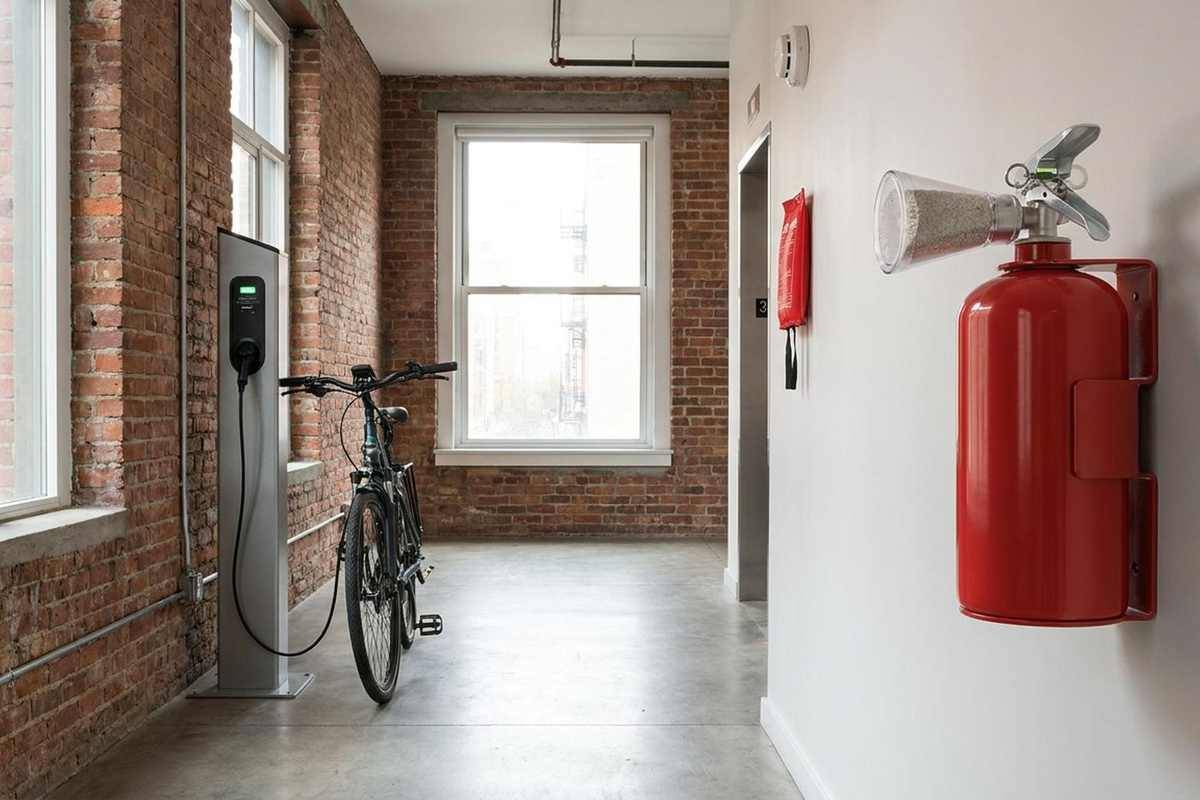
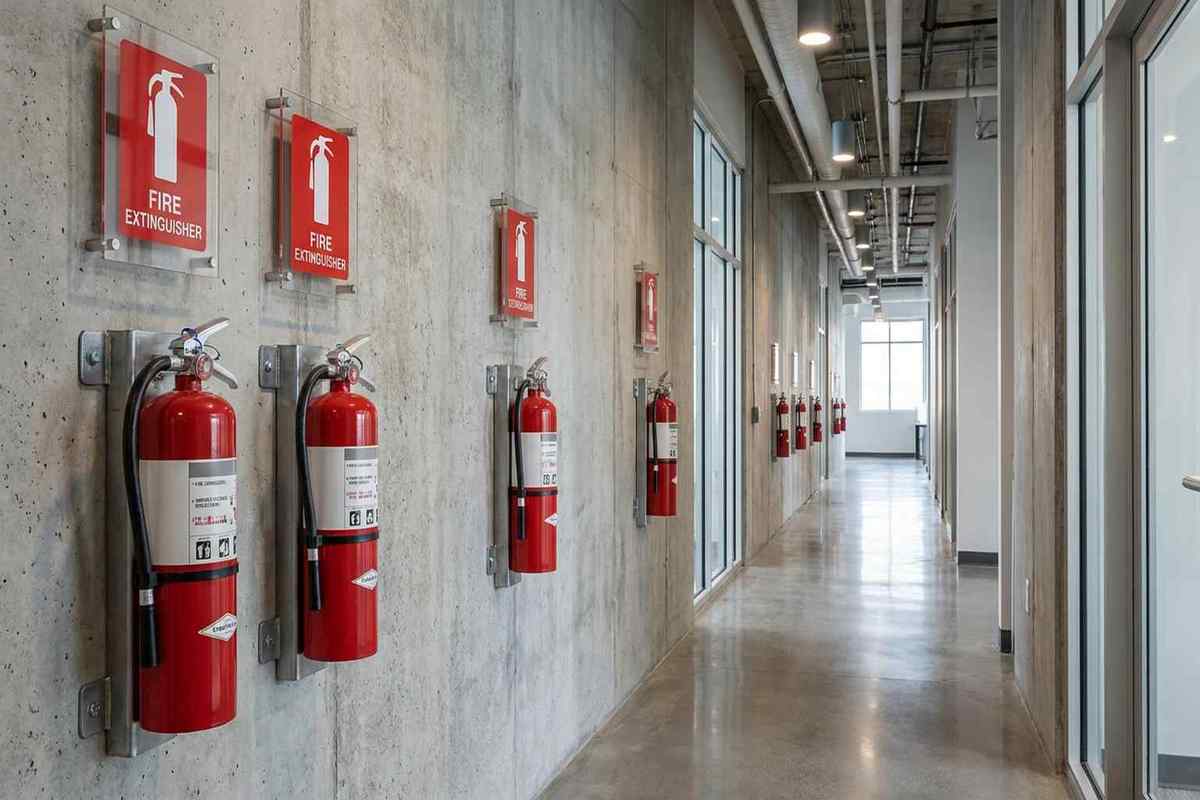
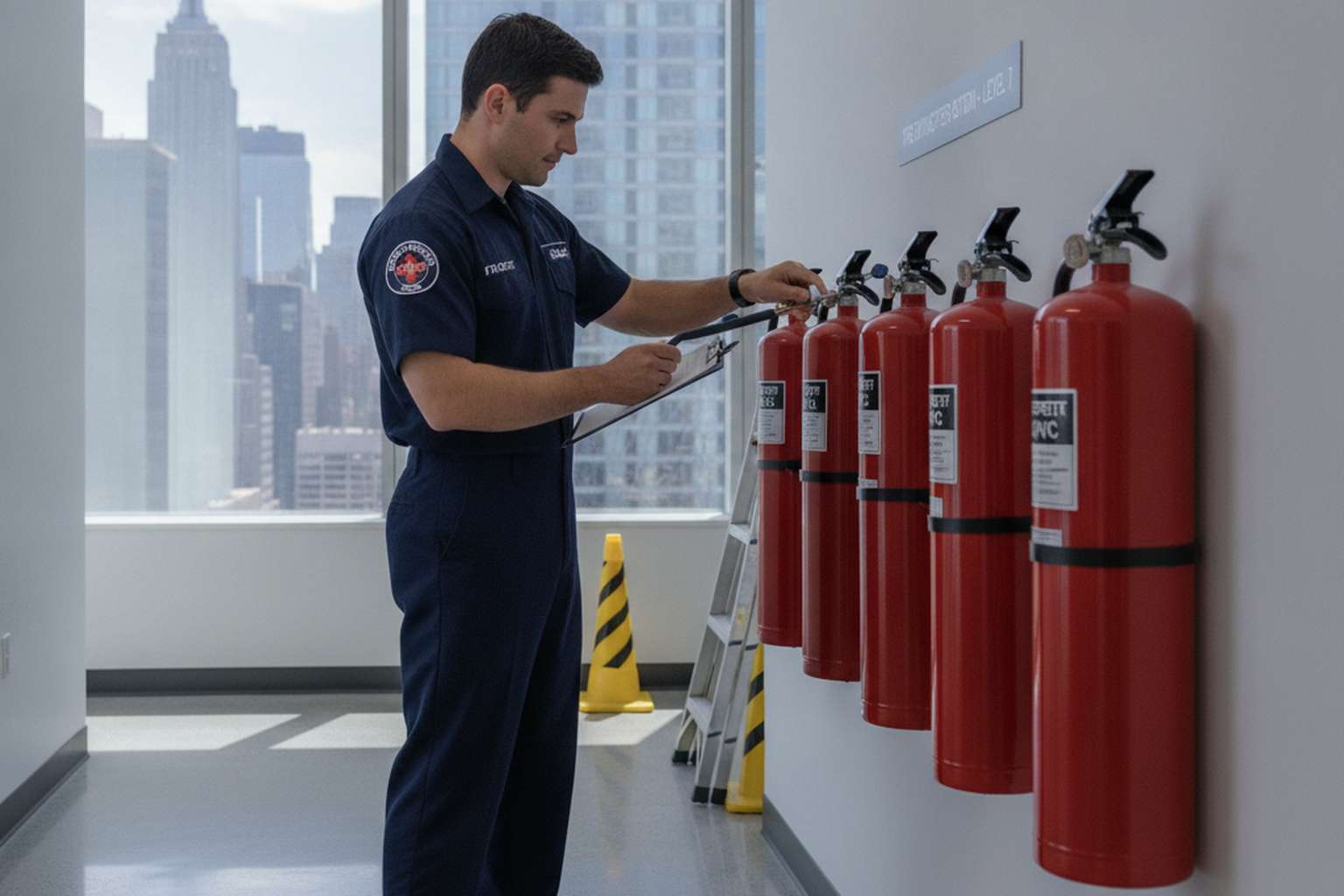
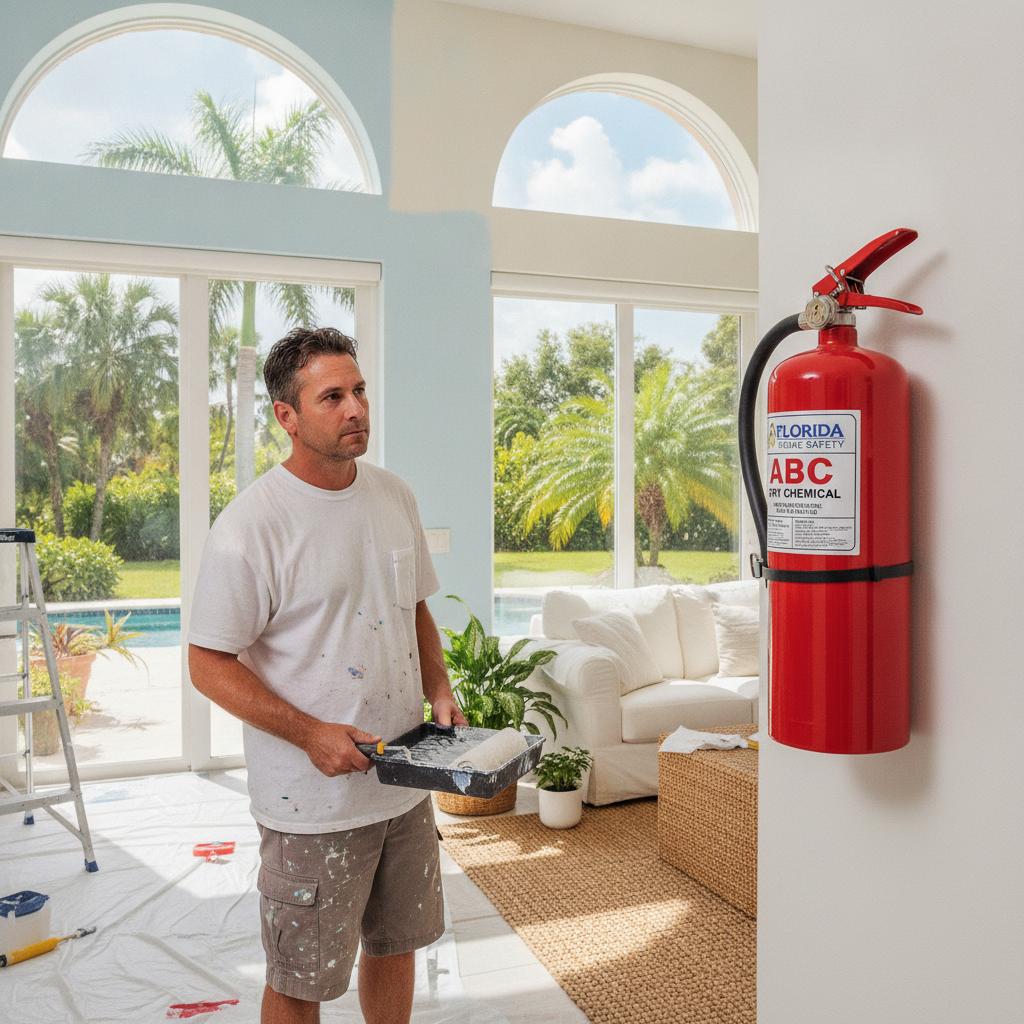
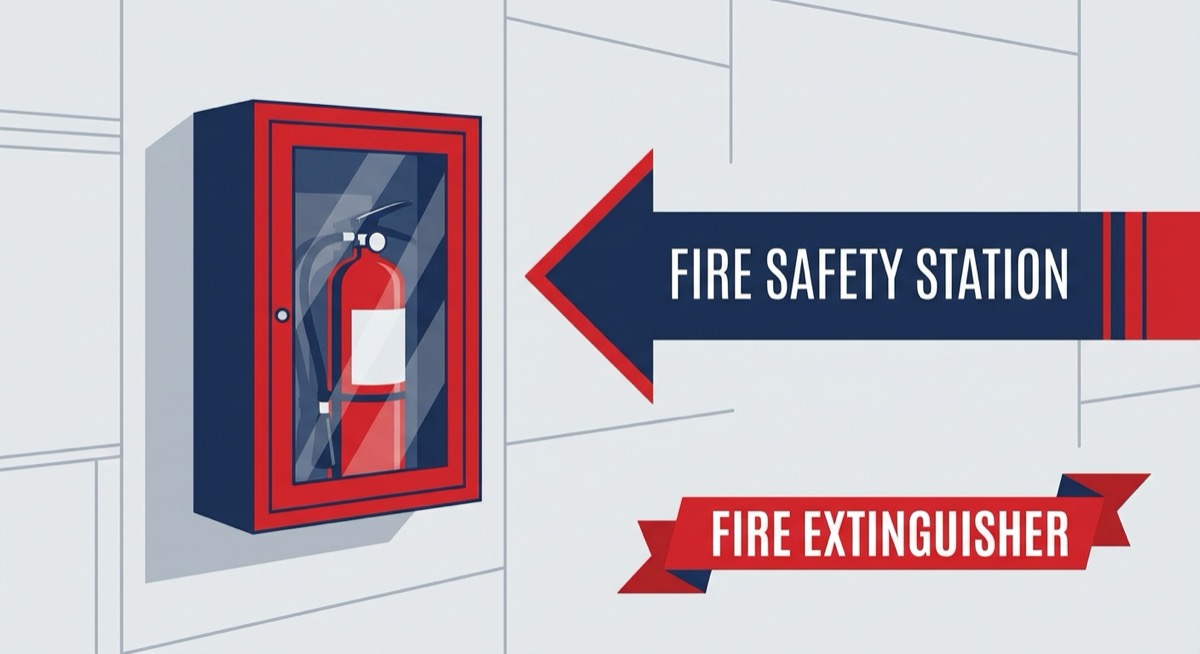
Make sure every extinguisher is securely mounted and not left loose on floors or shelves where they could get damaged or knocked over.

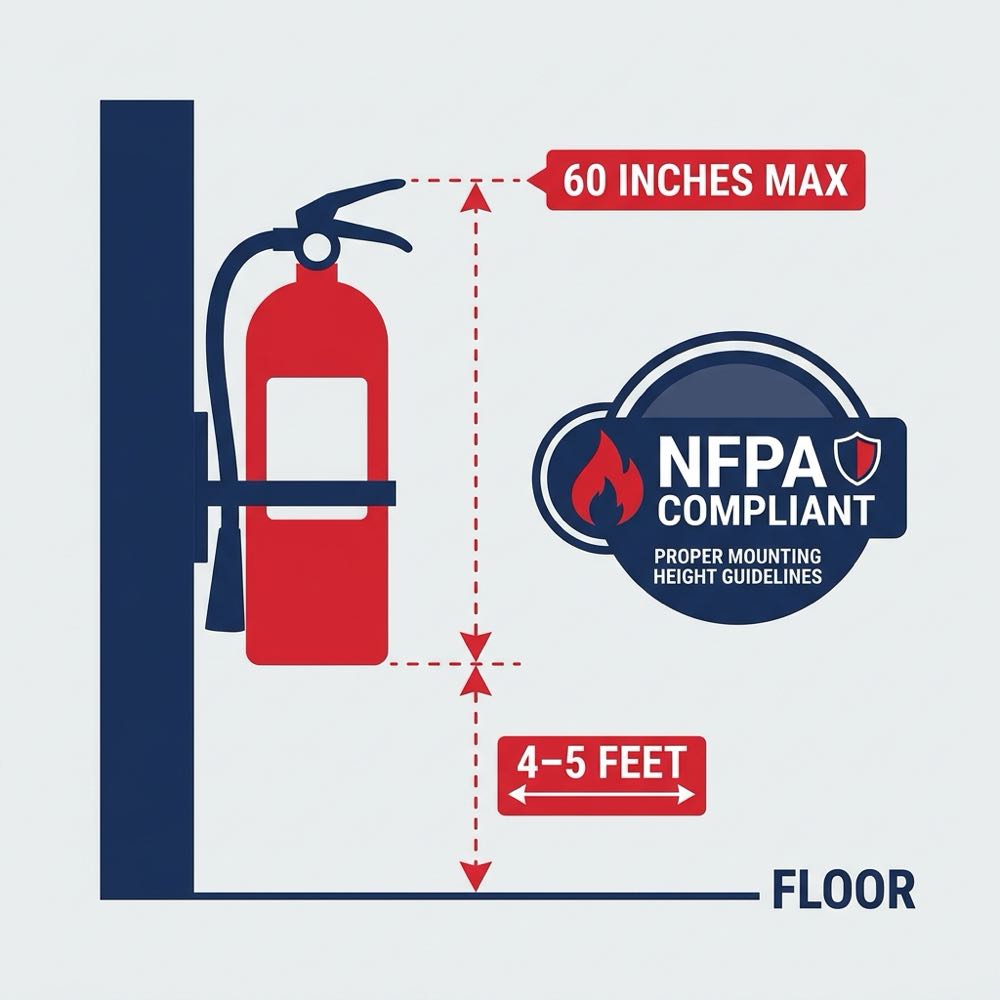
  • OSHA specifies that extinguisher handles for units weighing 40 pounds or less must be no higher than 5 feet from the floor. For units over 40 pounds, the maximum height is 3.5 feet. Additionally, there must be at least 4 inches of clearance at the bottom.
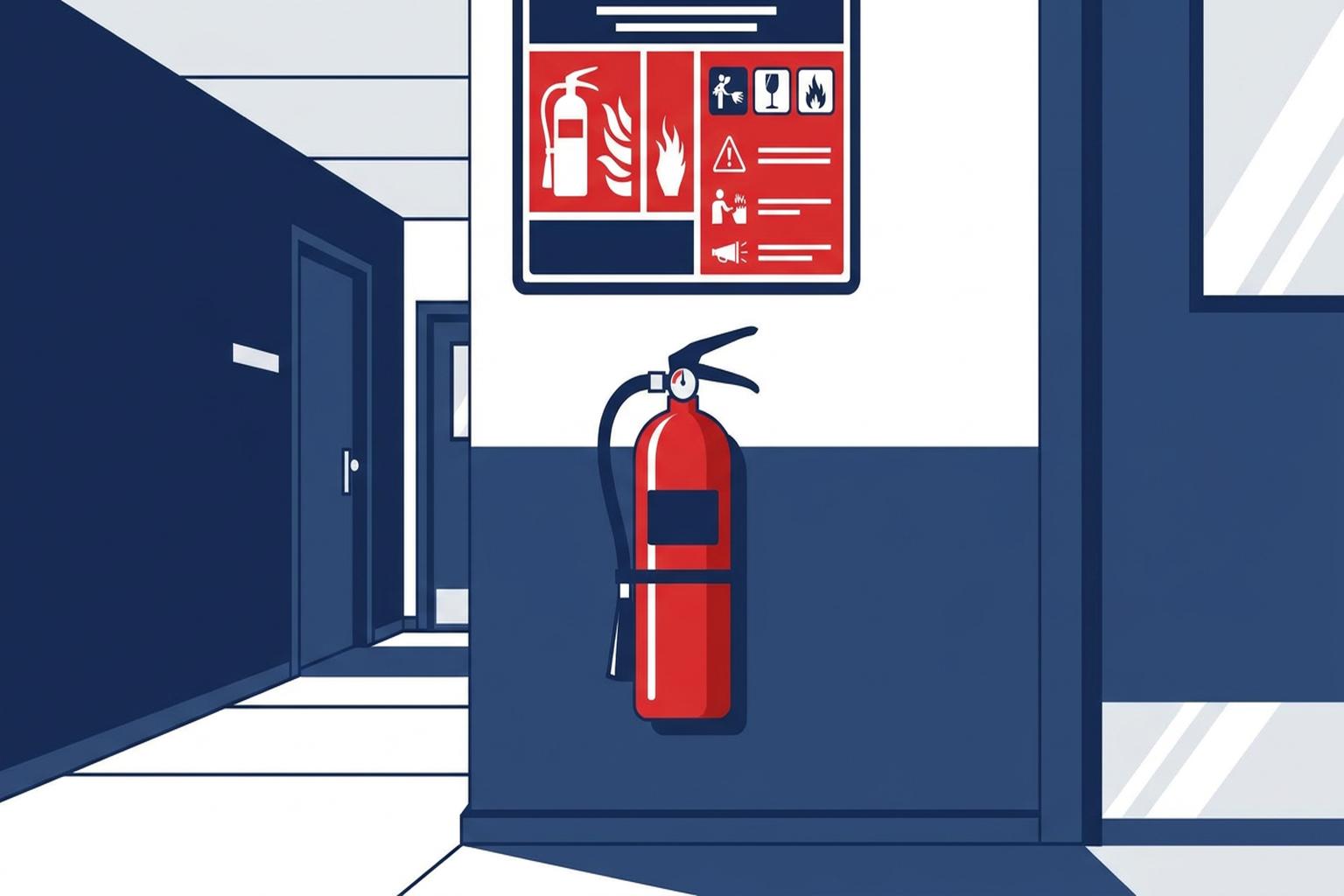
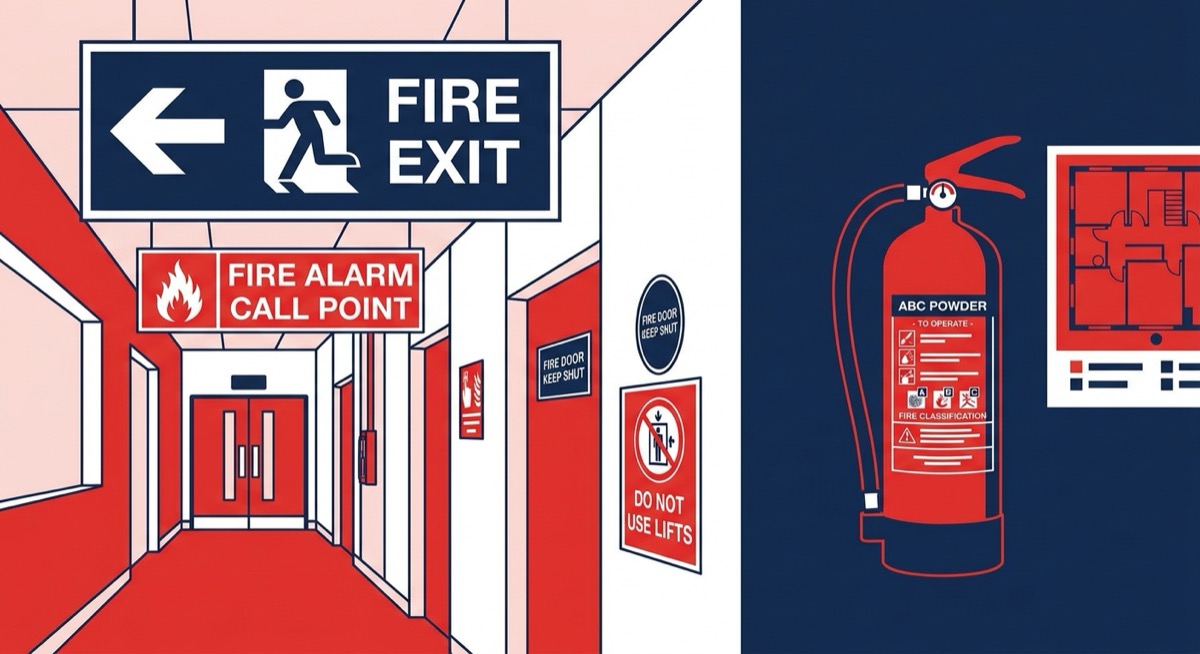
  • The nameplate with operating instructions must face outward and remain clear and easy to read.
  • Extinguishers should be installed in visible locations. If they are hidden or blocked, add a noticeable sign to indicate their position.

Look for Blocked Access

Check for anything that might obstruct access to the extinguisher, such as furniture, equipment, or stored items, and remove these barriers.

  • According to ADA standards, extinguishers mounted between 27 and 80 inches from the floor must not protrude more than 4 inches into walkways to avoid creating hazards.

Step 2: Check Physical Condition

Take a close look at the extinguisher to spot any signs of damage or wear that could prevent it from working when you need it most. A thorough inspection ensures your extinguisher is ready to perform during an emergency.

Look for Damage or Rust

Start by examining the metal cylinder. Keep an eye out for dents, cracks, scratches, rust, or corrosion – especially around the base where moisture tends to gather. Even minor rust can spread quickly and weaken the metal. If you see rust, determine if it’s just on the surface or if it has compromised the metal underneath.

Don’t forget to check the mounting bracket and hardware. Look for any signs of wear or looseness. A damaged or unstable bracket could lead to the extinguisher falling, which might cause injury or damage the unit itself.

Once you’ve confirmed the cylinder is in good shape, move on to inspect the hose and nozzle.

Check the Hose and Nozzle

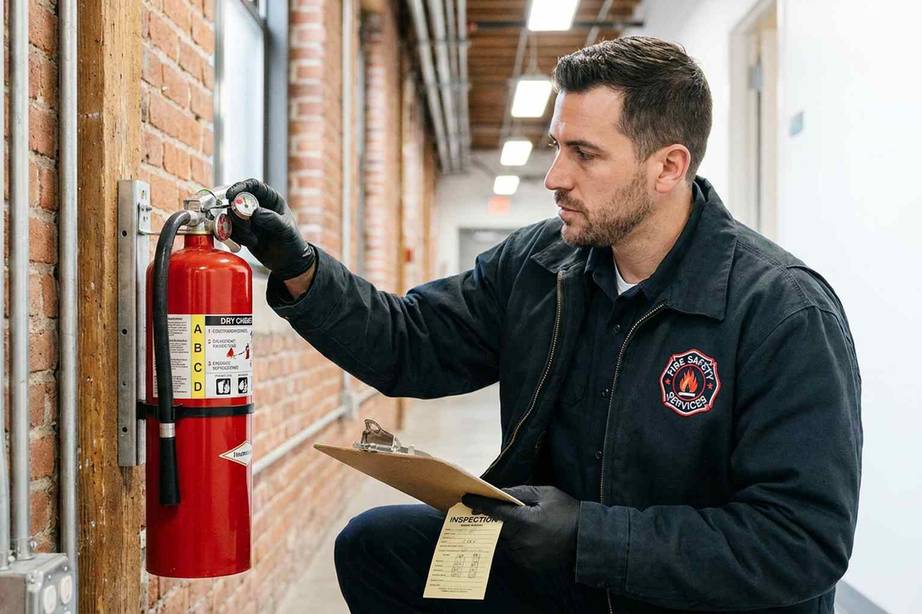
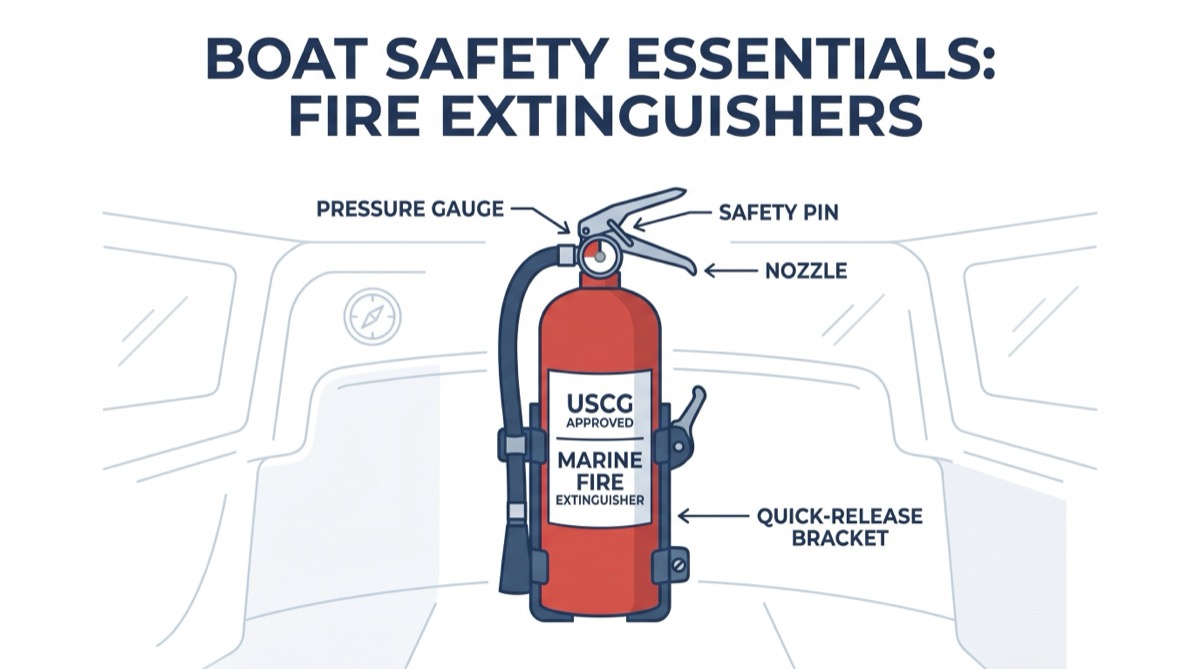
Examine the hose carefully for cracks, cuts, or signs of brittleness. Try flexing it gently to ensure it’s still pliable. Inspect the nozzle for clogs, damage, or any corrosion, and make sure the hose is securely connected.

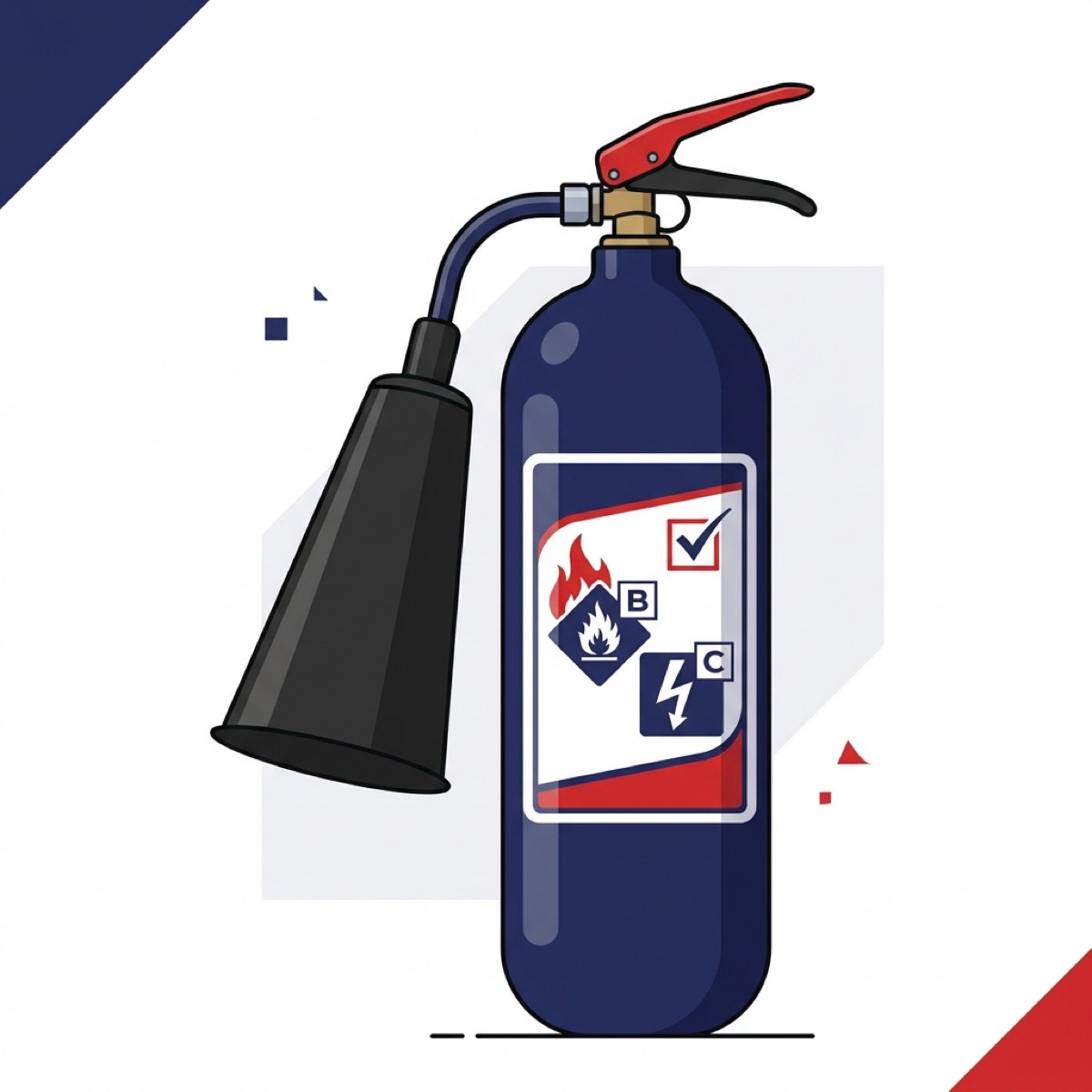
If you’re checking a CO2 extinguisher, pay special attention to the horn. Cracks here can disrupt the discharge pattern. If you notice debris blocking the nozzle, remove it carefully, but avoid using sharp tools that could harm the internal components.

Check Safety Pin and Tamper Seal

After inspecting the body, hose, and nozzle, turn your focus to the safety pin and tamper seal. These components are your first clues as to whether the extinguisher has been used or tampered with since its last check.

Ensure the safety pin is firmly in place and moves freely when needed. Verify that the tamper seal and any service tags are intact and readable. If you notice anything missing, bent, or damaged, it’s time to call in a professional for a closer look.

If the safety pin is missing or the tamper seal is broken, don’t assume the extinguisher is empty. Instead, have it inspected by a professional immediately to determine whether it needs recharging or replacement.

Step 3: Check Pressure Gauge and Labels

Once you’ve inspected the extinguisher’s physical condition, the next step is to examine the pressure gauge and labels. This ensures the extinguisher is in working order and properly marked for safe use.

Read the Pressure Gauge

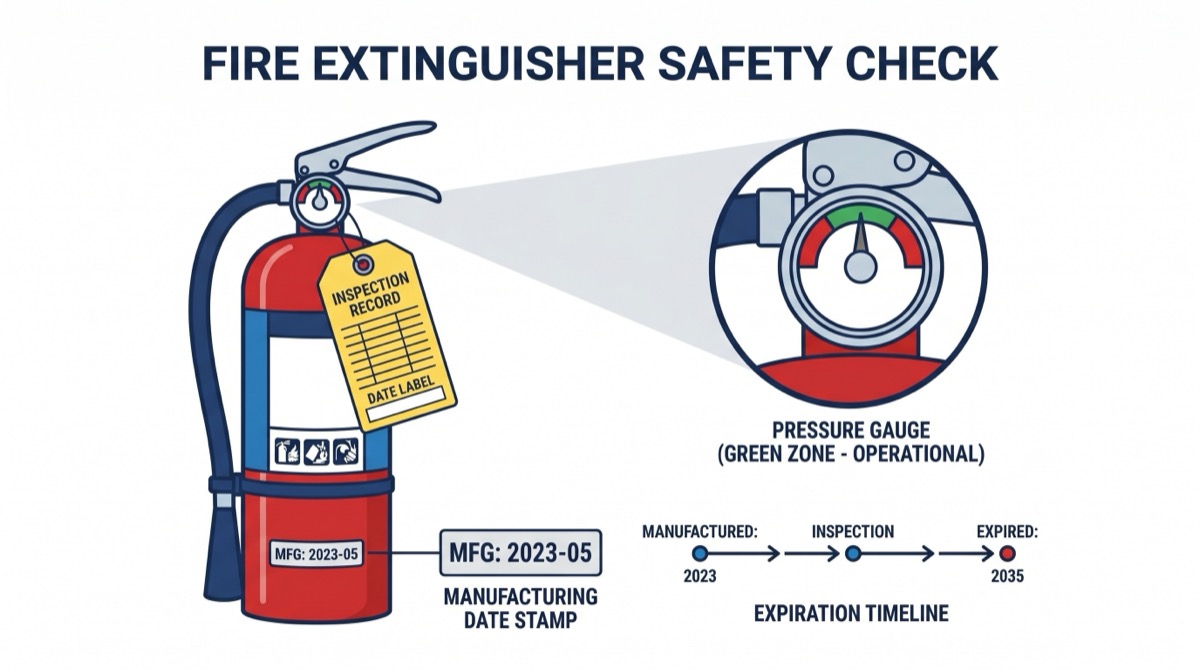
The pressure gauge is your go-to for checking if the extinguisher is ready to use. Take a look at the needle on the gauge. If it’s in the green zone, the extinguisher is good to go.

If the needle points to the red zone, there’s an issue. A needle on the low end means the extinguisher is undercharged and might not work effectively. If it’s overcharged, there’s a risk of leakage or damage. Don’t try to fix it yourself. Rechargeable models should be serviced by a professional, while disposable ones need to be replaced right away.

Check Label Readability

Labels on the extinguisher are just as important as the gauge. Start by ensuring the main instruction label is securely attached and easy to read. Look for any signs of fading, tearing, or damage. The label should also display safety certifications, like the UL (Underwriters Laboratories) mark, which confirms the extinguisher meets established safety standards.

The label typically includes simple, step-by-step operating instructions, often following the "PASS" method: Pull the pin, Aim at the base of the fire, Squeeze the handle, and Sweep side to side. Additionally, check that the manufacturer’s name, model number, and capacity are clearly visible. If any part of the label is damaged, faded, or missing, reach out to a certified fire extinguisher service provider to get it replaced.

Match Extinguisher Type to Fire Risks

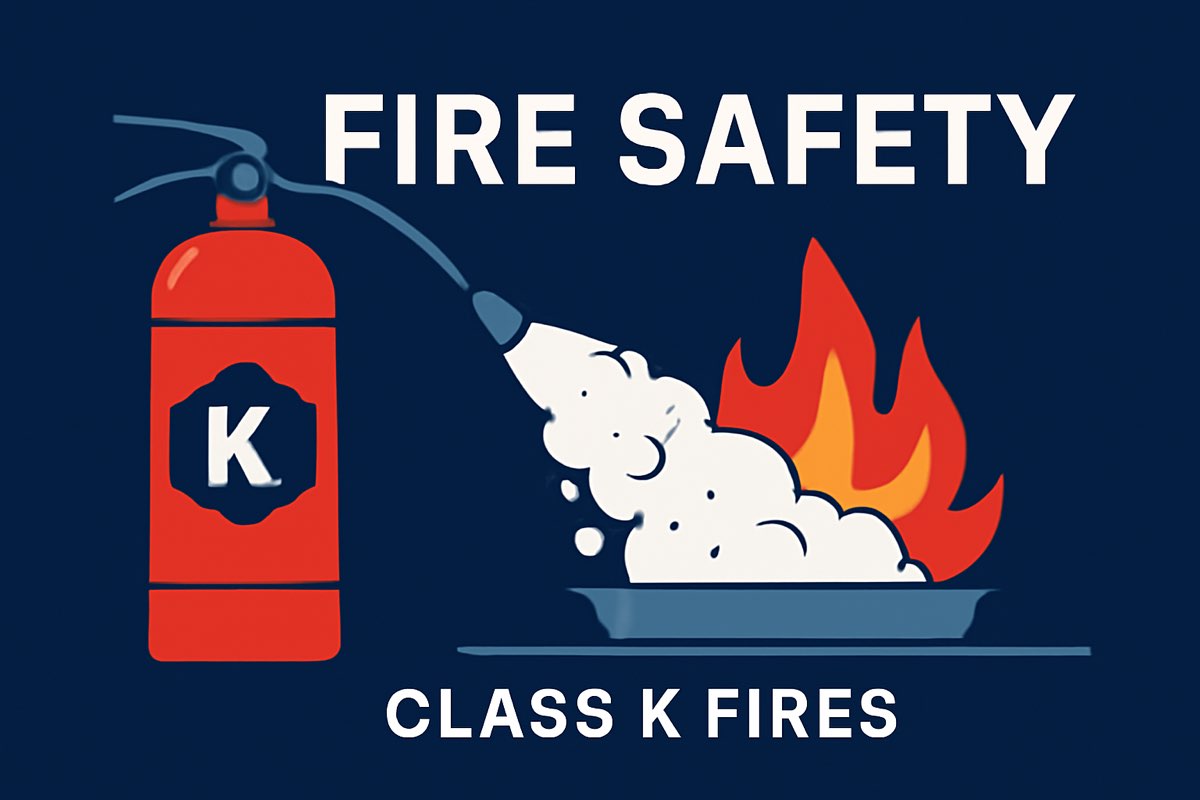
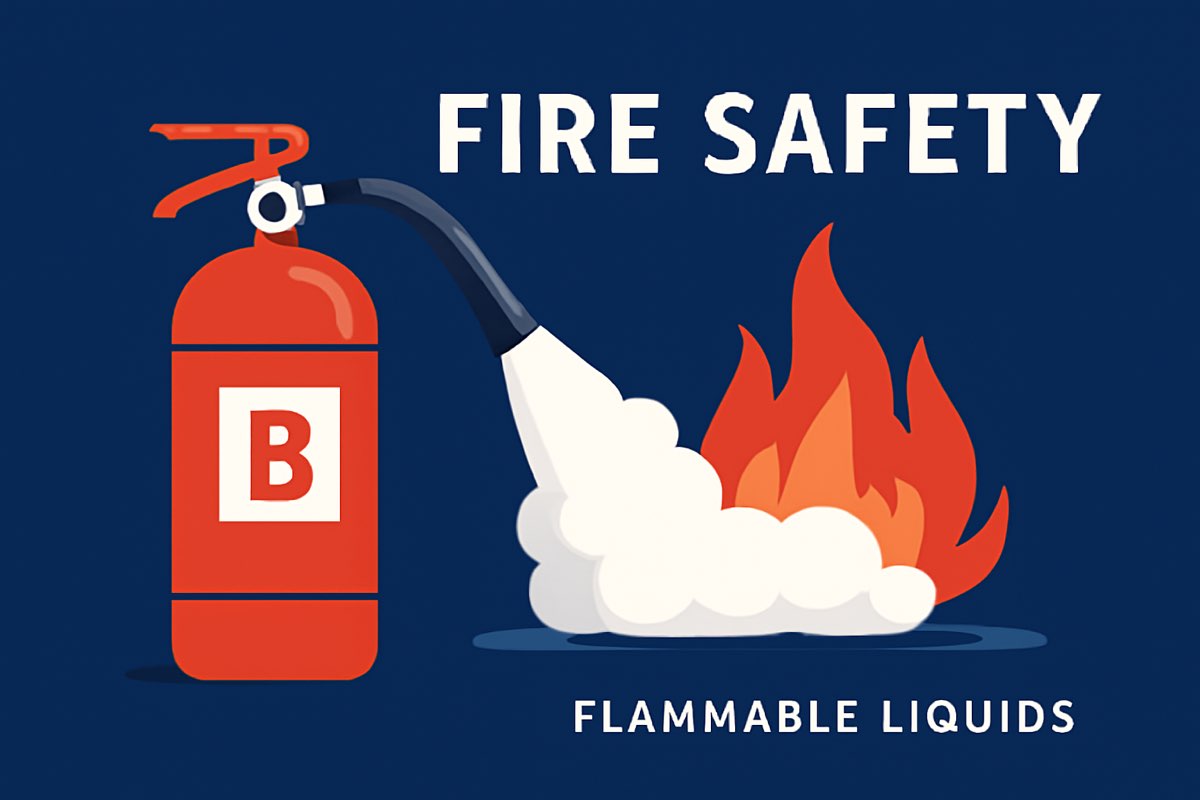
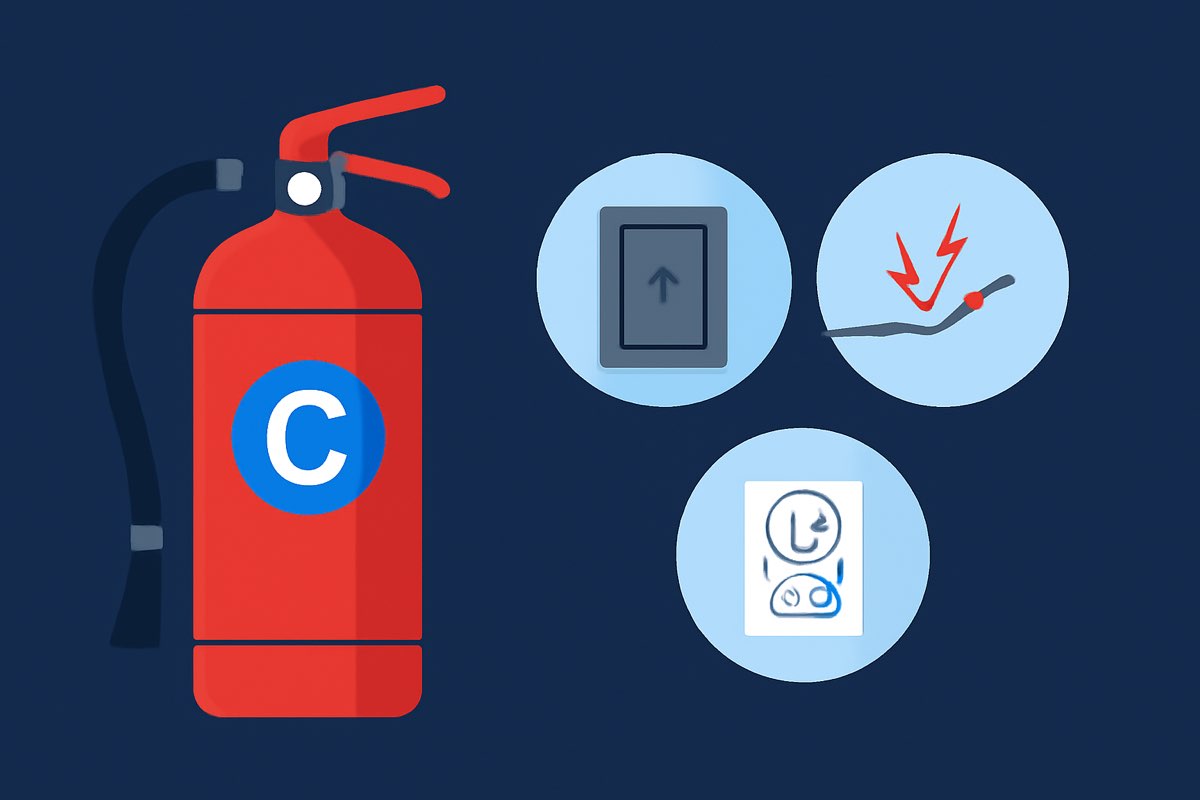
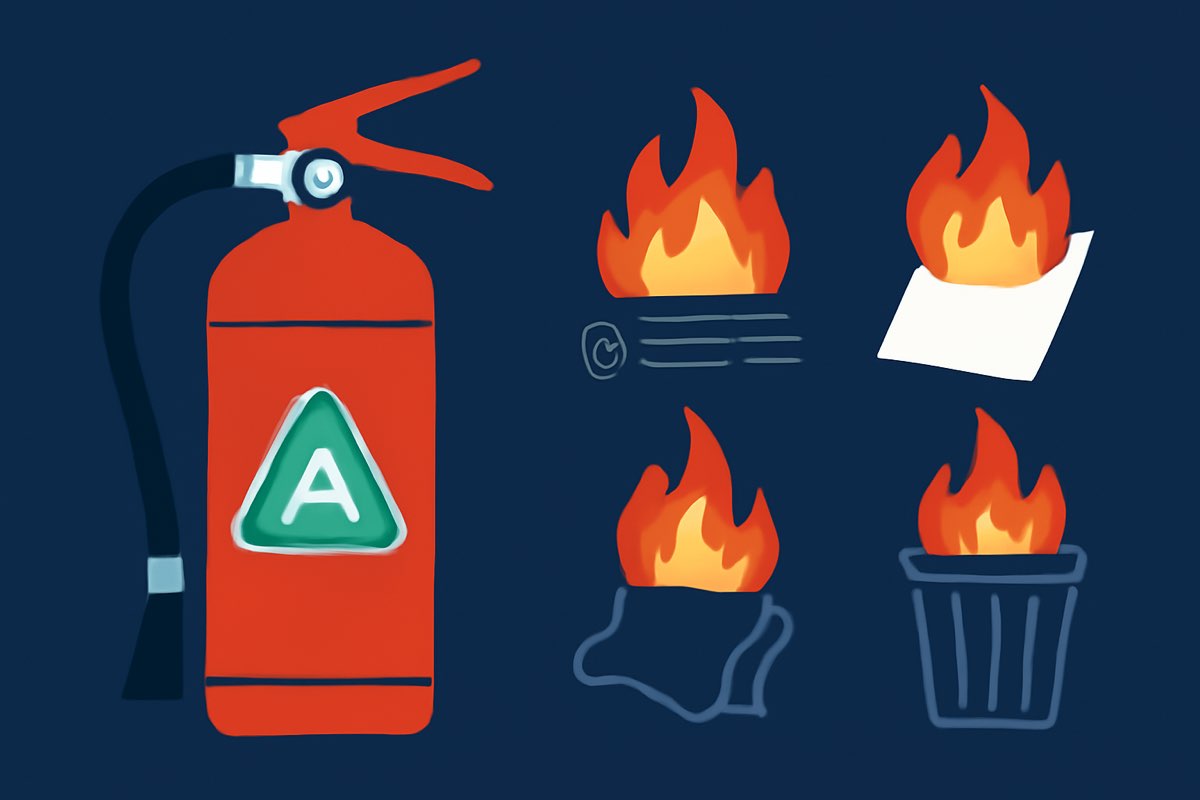
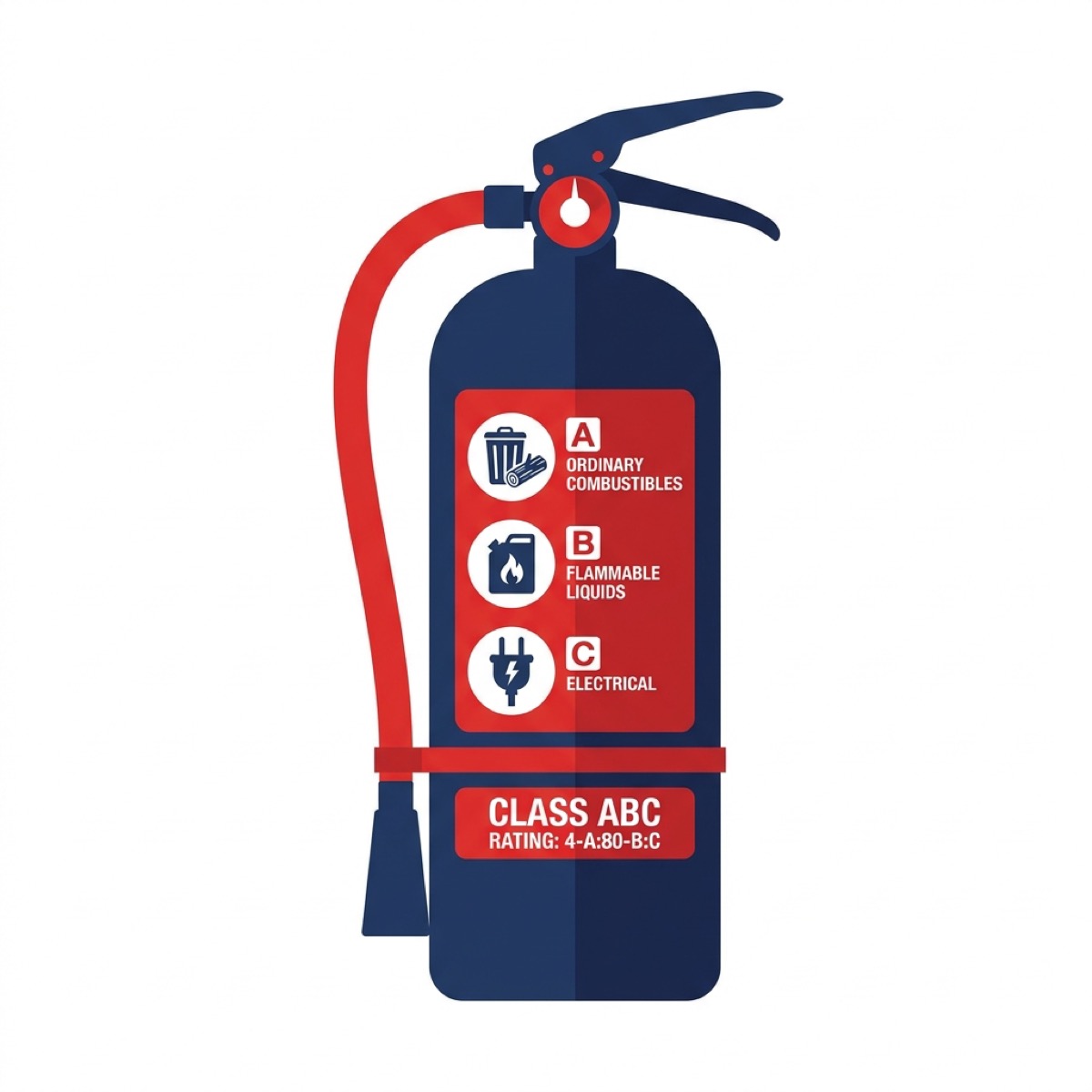
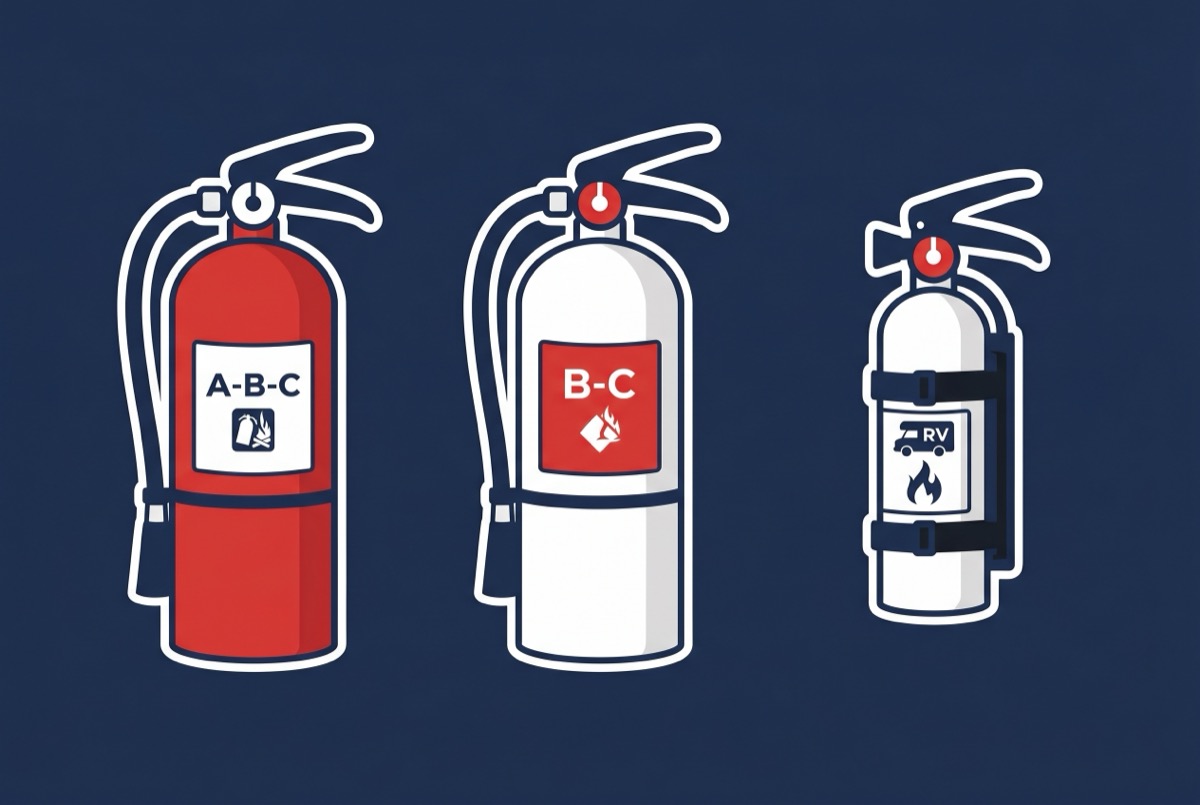
Lastly, verify that the extinguisher is suitable for the specific fire hazards in the area. Fire extinguishers are classified by fire type, which is indicated with letters like A, B, C, D, or K:

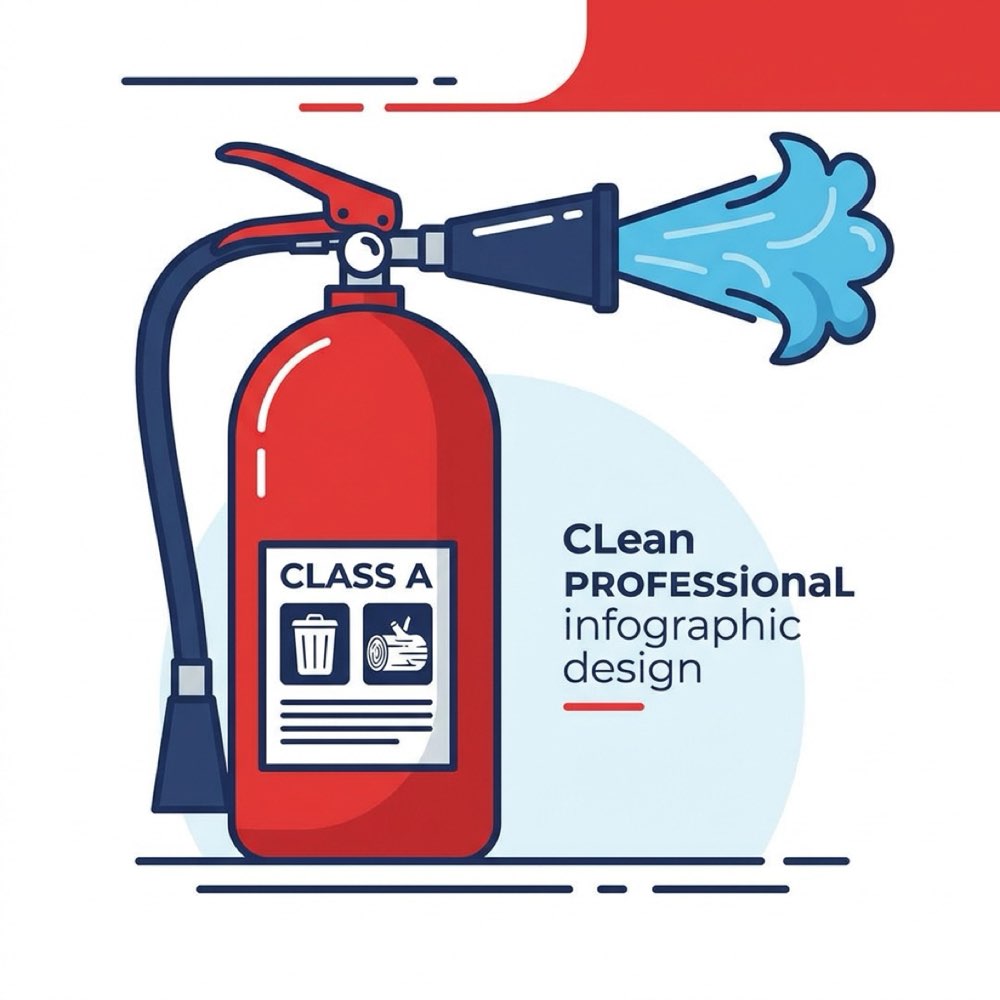
  • Class A: For common combustibles like wood, paper, and fabric.
  • Class B: For flammable liquids such as gasoline, oil, and grease.
  • Class C: For electrical fires.
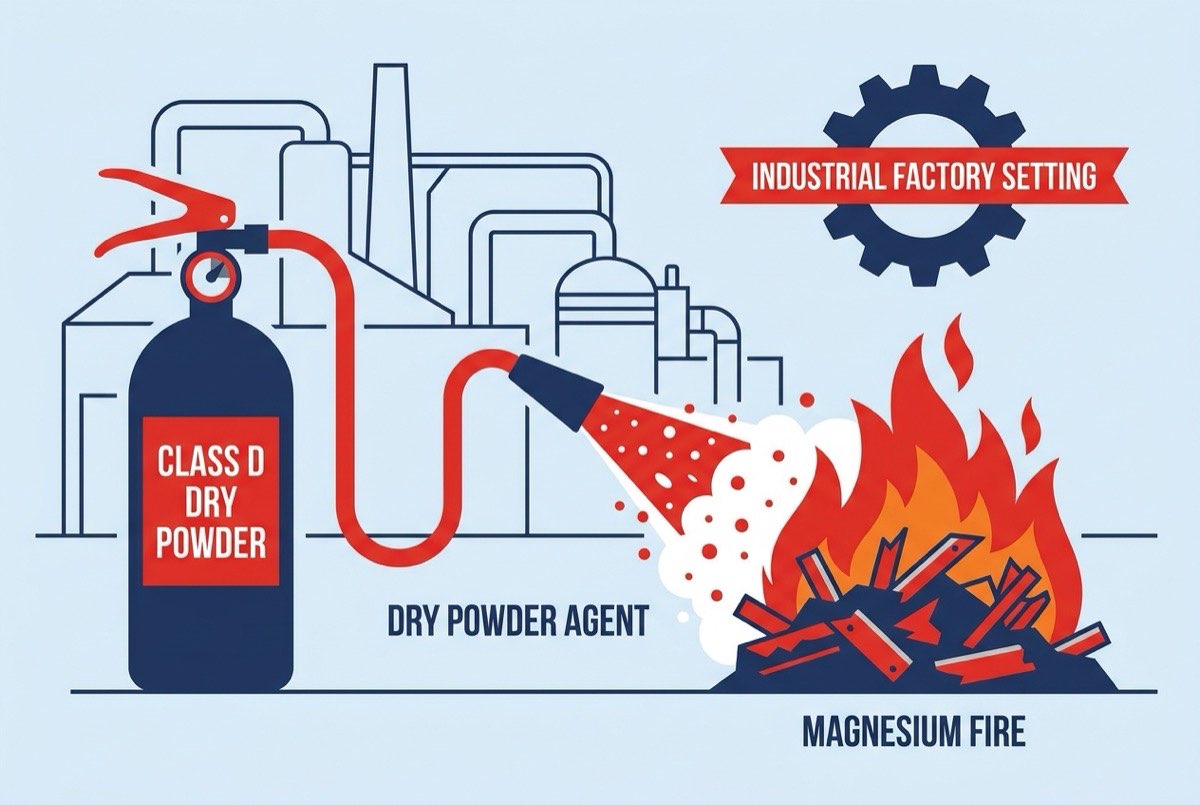
  • Class D: For combustible metals.
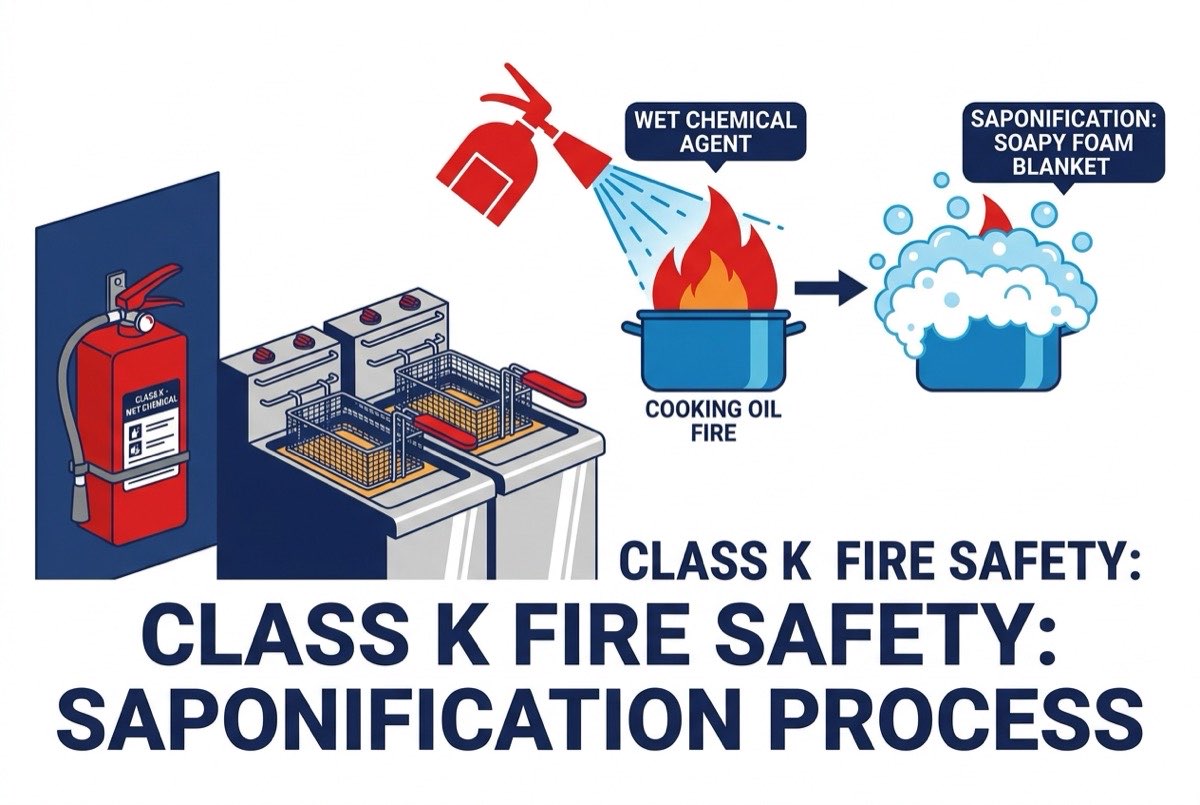
  • Class K: For fires involving cooking oils and fats.

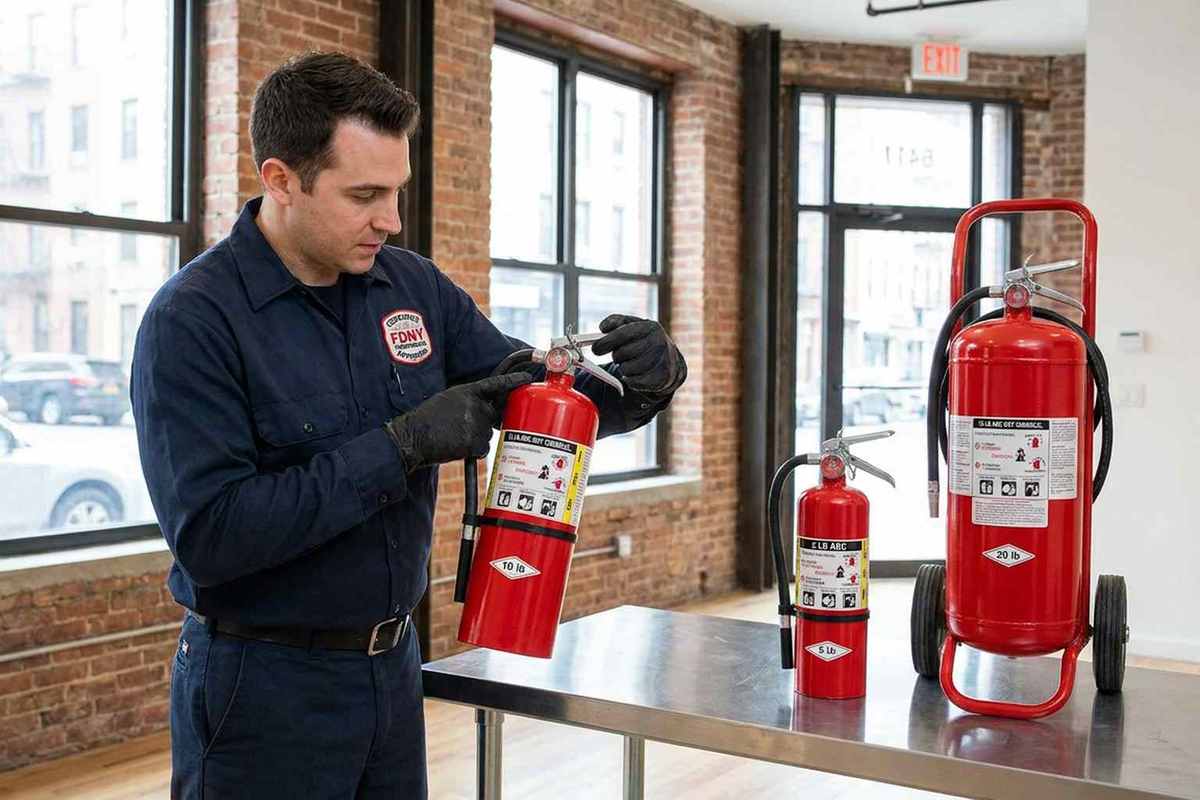
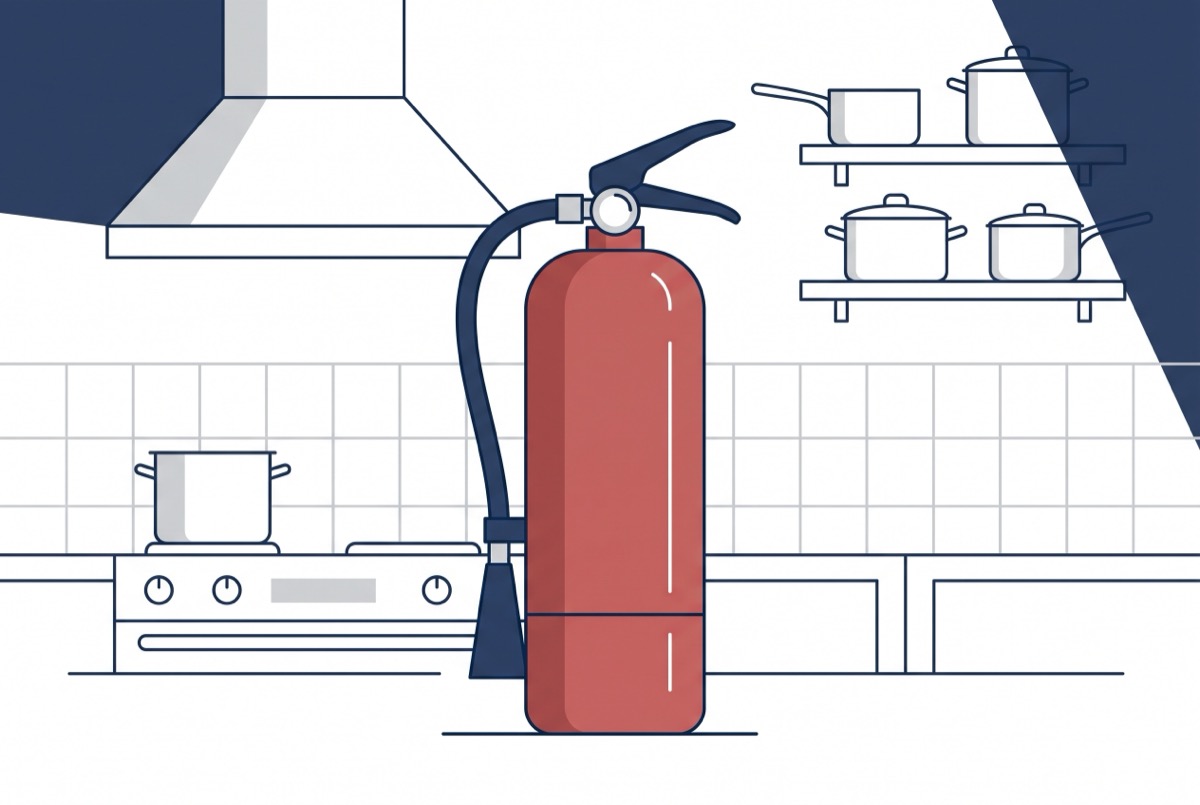
Many extinguishers are multipurpose, such as ABC-rated models that handle several fire types. However, using the wrong extinguisher can be dangerous. For example, you’d use an ABC-rated extinguisher in an office, a Class D extinguisher for metal fires, and a Class K extinguisher in a kitchen setting.

If the extinguisher type doesn’t match the fire risks in the area, consult a fire safety expert. They can recommend the correct extinguisher and help arrange for replacements or additional units if needed.

Step 4: Check Maintenance Tag and Records

Now it’s time to dive into the maintenance documentation. These records confirm your fire extinguisher is up to code and compliant with regulations.

Read the Maintenance Tag

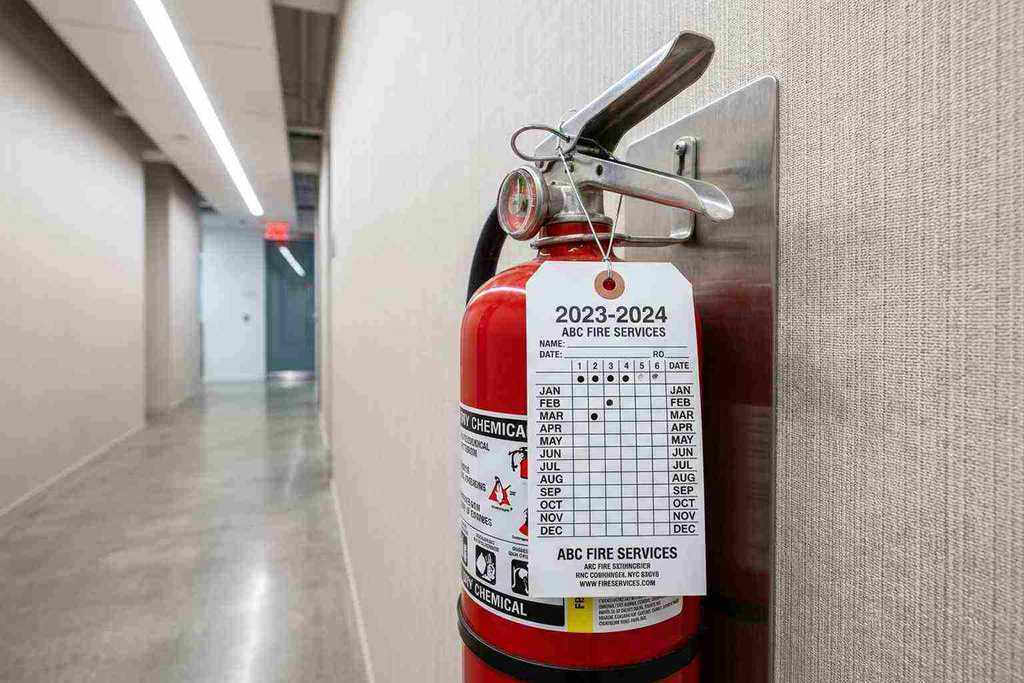
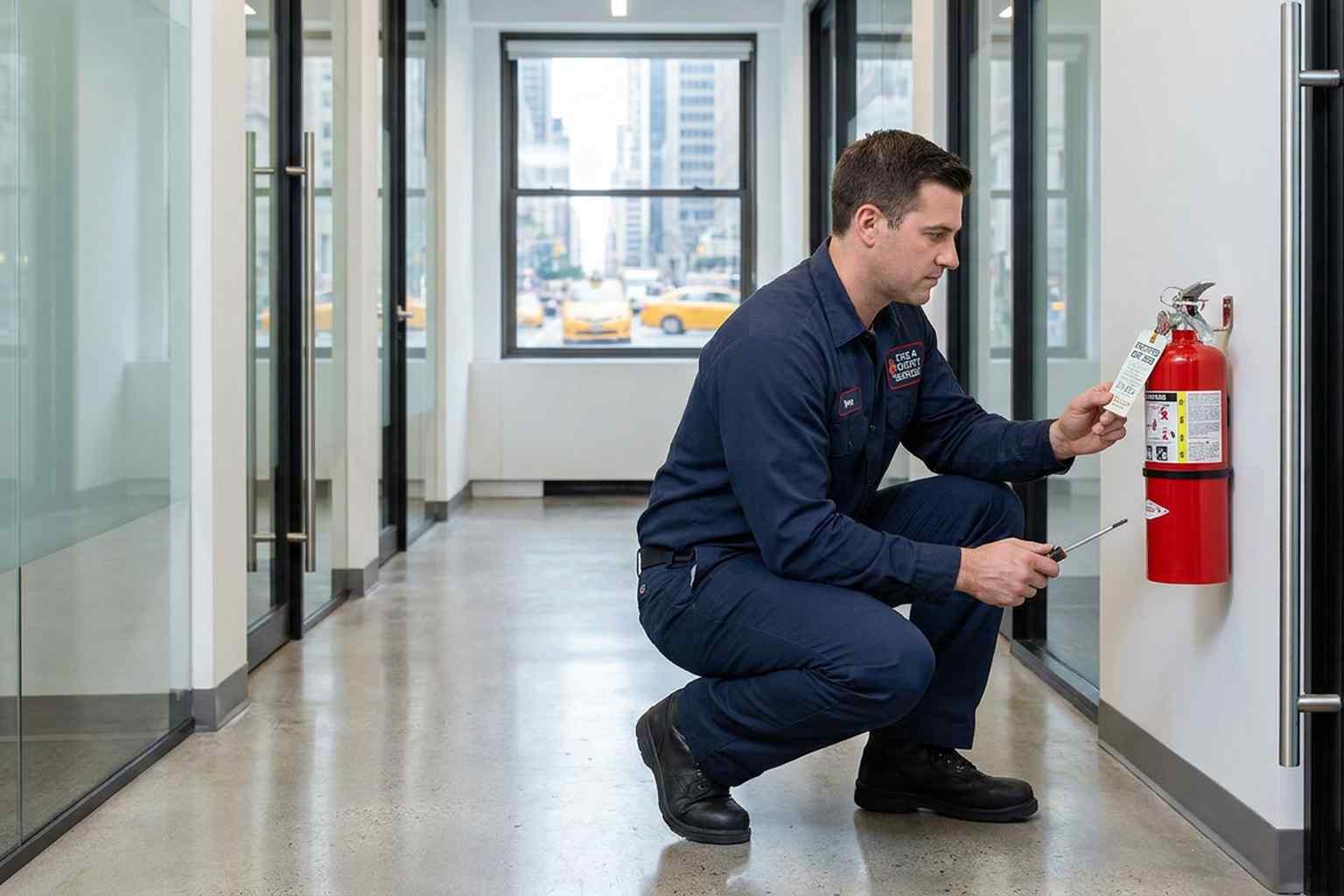
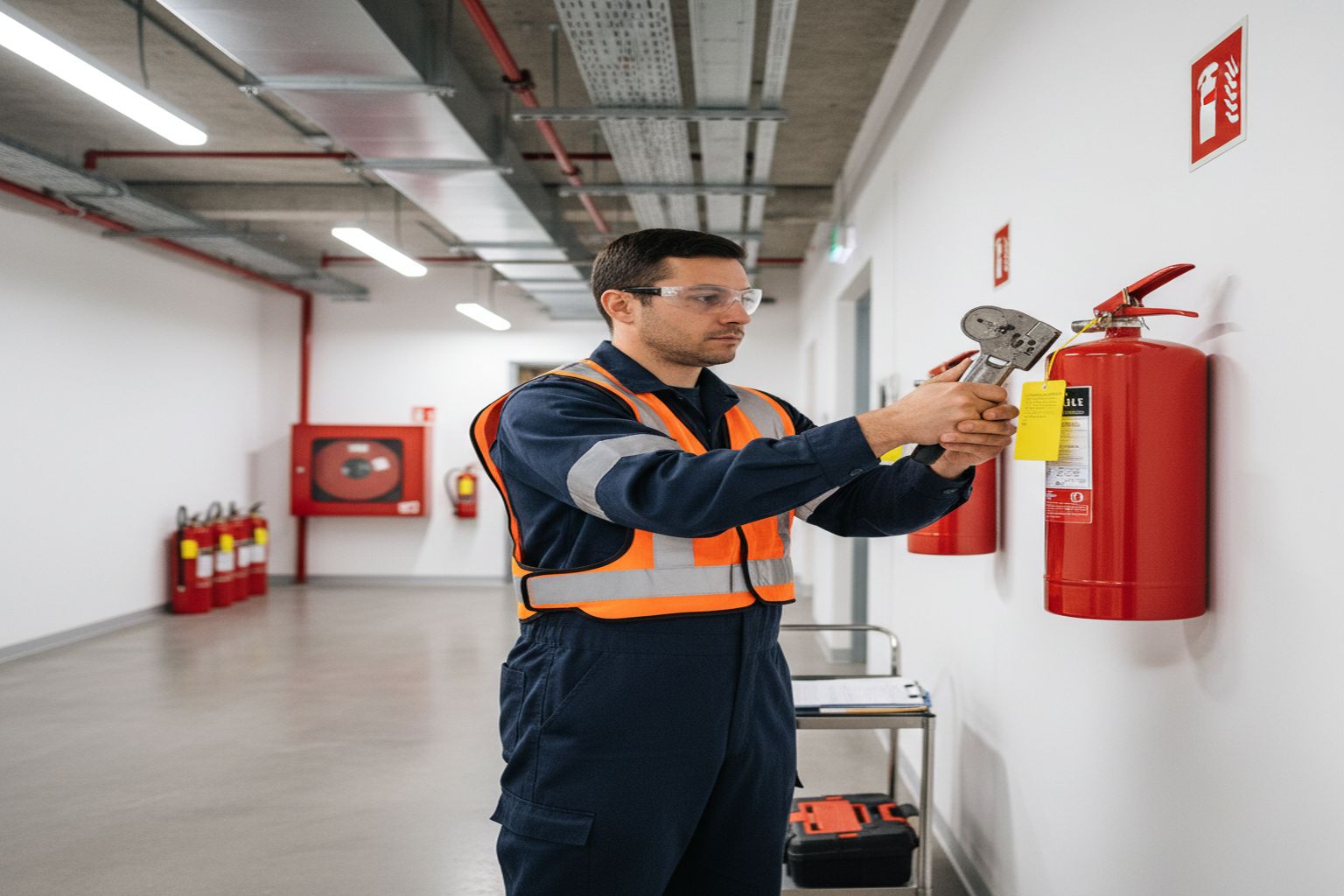
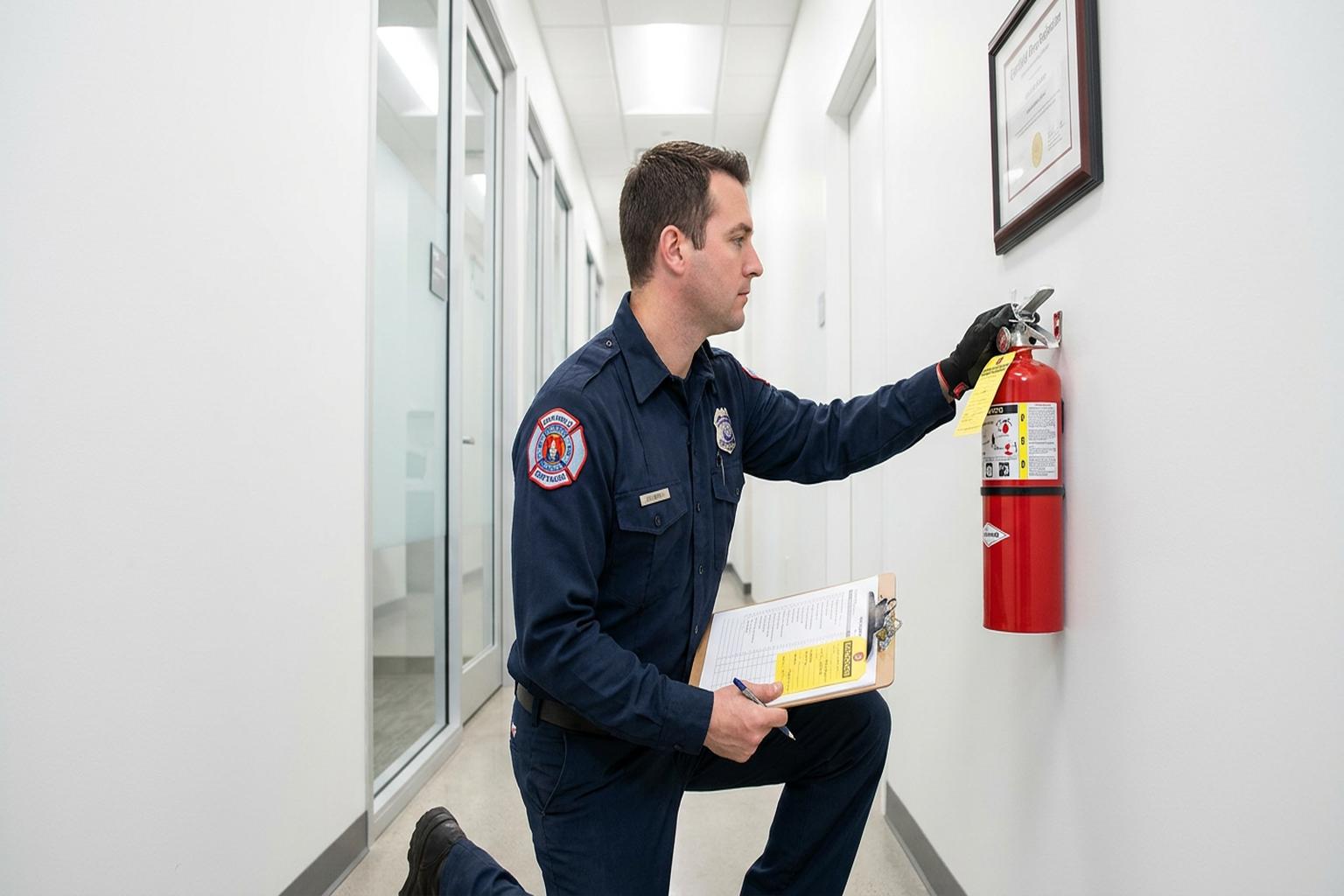
Every extinguisher should have a sturdy maintenance tag attached. This tag is like a quick snapshot of the extinguisher’s service history. Look for the clearly marked date of the last inspection, as well as the inspector’s initials or signature, which indicate who performed the work.

Pay extra attention to any notes about maintenance tasks, such as recharging, pressure testing, or part replacements. The tag will also state whether the extinguisher passed or failed its inspection. If you notice any failure notations, don’t ignore them – get the extinguisher serviced by a professional immediately to ensure it’s safe to use.

Make sure the tag is securely attached and in good condition. A missing or damaged tag is a warning sign that the extinguisher may not have been properly maintained. The tag should be weather-resistant and easy to read, even if it’s been exposed to tough conditions. A well-maintained tag is essential for compliance and peace of mind.

Keep Proper Records

In addition to the physical tag, it’s crucial to maintain a detailed log of inspections and maintenance. NFPA and OSHA regulations require you to keep these records for at least 12 months from the service date.

Your records should include key details like the inspection date, the inspector’s name and certification number, any issues found, and how they were fixed. Be sure to note the extinguisher’s location, serial number, and type. For properties with multiple extinguishers, create a master log to keep track of each one.

Both digital and paper records are acceptable, but digital systems often make life easier. Just ensure they’re backed up and readily available for inspections by fire marshals or insurance agents. Some facilities even use barcodes or mobile apps to streamline the process, making it simple to manage inspection schedules and maintenance histories across different locations.

Don’t forget to save receipts for any professional services, recharging, or replacement parts. These can be a lifesaver during audits or insurance claims, proving your commitment to fire safety compliance. Companies like A&J Fire provide thorough documentation with every service call, so you’ll always have records that meet FDNY, OSHA, and NFPA standards.

Step 5: Set Up Regular Maintenance Schedule

Keeping up with a regular maintenance schedule ensures that every inspection counts and your fire safety systems remain in top shape.

Plan Monthly and Annual Inspections

Once your initial inspection steps are complete, it’s time to put a structured maintenance plan in place to maintain compliance and preparedness.

Monthly visual inspections are a must. These quick checks, carried out by a fire safety officer, a trained employee, or another designated person, can help you catch small issues before they become big problems. To stay consistent, pick a specific day each month for these inspections. After each check, date and initial the back of the maintenance tag to create a reliable paper trail. This not only highlights your commitment to safety but also helps meet regulatory requirements.

Annual professional inspections are where things get more detailed. Certified technicians dig deeper to spot potential issues that might go unnoticed during monthly visual checks. Scheduling these inspections ahead of time ensures your compliance records stay current and thorough.

Plan for Long-Term Maintenance

Think beyond the short term by incorporating long-term maintenance planning. Follow manufacturer guidelines closely and use tools like digital calendars to set reminders for important maintenance milestones.

For more complex scheduling needs, getting professional support can save time and effort while ensuring nothing falls through the cracks.

Work with A&J Fire for Professional Service

Staying on top of fire safety deadlines can be overwhelming, but A&J Fire makes it easier. They offer comprehensive scheduling services to handle everything from monthly reminders to long-term maintenance planning, so you never miss an important date.

Their certified technicians provide detailed documentation that aligns with FDNY, OSHA, and NFPA standards, giving you peace of mind during fire marshal inspections or insurance audits. This documentation acts as proof that your facility is meeting proper fire safety protocols.

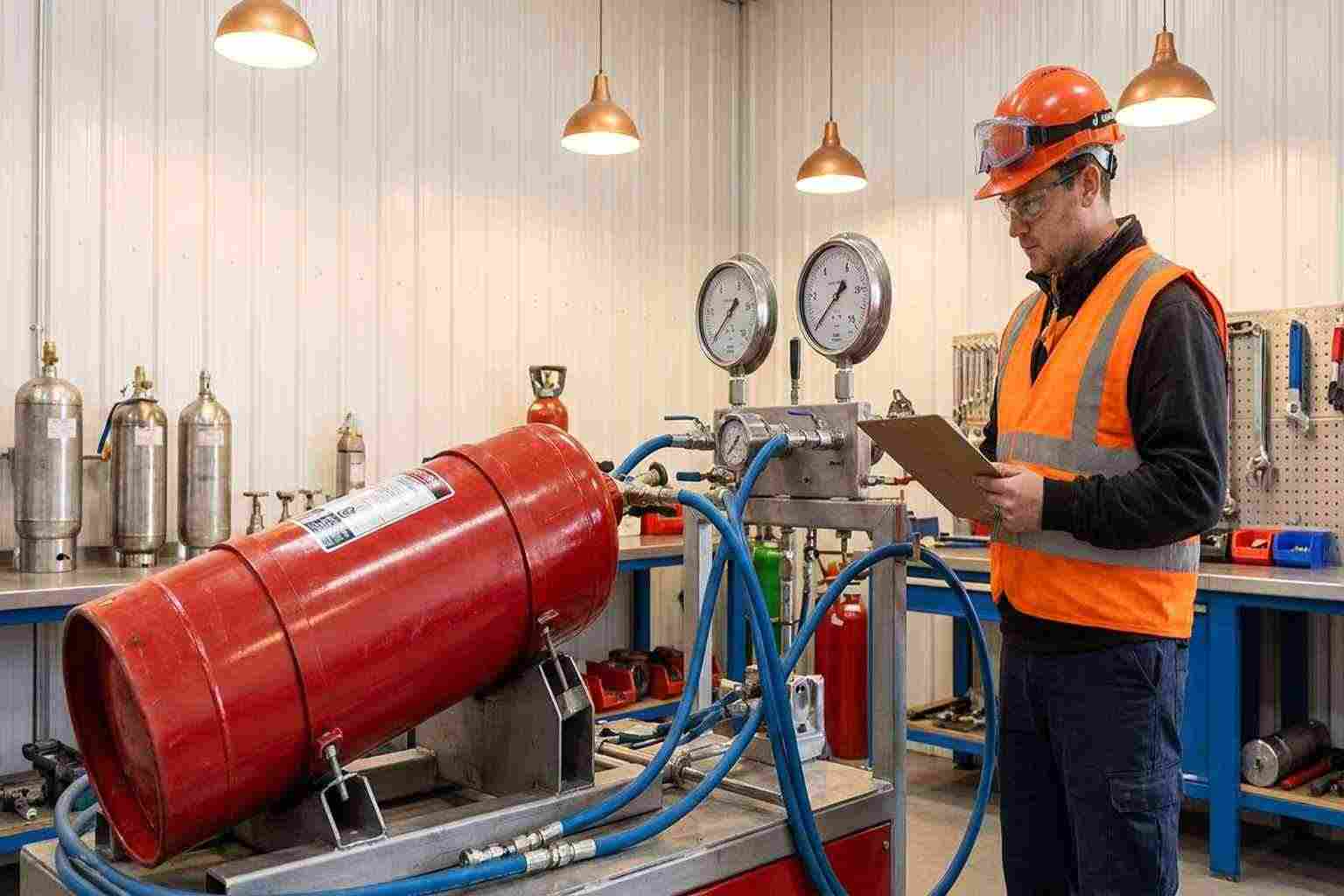
Based in Brooklyn and Queens, A&J Fire serves surrounding areas with a range of services, including inspections, tagging, testing, recharging, hydrostatic testing, and temporary equipment rentals. Their expertise in fire safety regulations, precise maintenance techniques, and dependable scheduling systems makes managing your program easier and stress-free.

Key Points to Remember

Conducting fire extinguisher inspections becomes much simpler when broken into a series of five clear steps. Each step is designed to promote safety and ensure compliance with regulations.

Review of the 5 Steps

The inspection process unfolds in a logical order, addressing all the critical aspects of fire extinguisher safety:

  • Step 1: Check the extinguisher’s location and ensure it’s easy to access in case of an emergency.
  • Step 2: Inspect the physical condition for any signs of damage or wear.
  • Step 3: Confirm that pressure gauges and labels are in good condition. Also, verify that the extinguisher is the correct type for your specific fire risks.
  • Step 4: Review maintenance tags and records to ensure all documentation is up to date.
  • Step 5: Establish a consistent inspection schedule, including monthly visual checks and annual professional servicing.

Regular inspections are crucial for staying compliant and maintaining a safe environment. Combining these steps with professional expertise strengthens your overall fire safety program.

Get Professional Help

While monthly visual inspections can often be managed internally, working with certified professionals ensures your fire safety efforts meet all necessary standards. Certified technicians can provide the documentation required by agencies like FDNY, OSHA, and NFPA, taking the uncertainty out of compliance and ensuring your facility is always prepared.

A&J Fire offers comprehensive fire safety services across Brooklyn, Queens, and nearby areas. Their team handles all inspection and maintenance needs, and their scheduling systems ensure you never miss an important maintenance deadline. Letting them manage the details means you can focus on other priorities while staying confident in your fire safety protocols.

FAQs

Why is it important to use the right fire extinguisher for different types of fires, and what can happen if you don’t?

Using the right fire extinguisher for the specific type of fire is crucial for managing the situation safely and effectively. Fire extinguishers are designed to tackle particular risks, such as electrical fires, grease fires, or flammable liquids. Using an extinguisher that isn’t suited for the fire at hand can actually worsen the situation. For instance, it might cause the fire to spread, increase the risk of electrical shock, or even lead to dangerous explosions.

Choosing the wrong extinguisher doesn’t just heighten the immediate danger – it can also result in greater property damage, serious injuries, or, in the worst cases, loss of life. Beyond these risks, failing to use the correct extinguisher may lead to legal or regulatory issues if fire safety protocols aren’t properly followed. Having the appropriate extinguisher for your specific environment isn’t just a precaution; it’s a key part of ensuring safety and staying compliant with safety standards.

What are the warning signs that a fire extinguisher needs servicing or replacement?

A fire extinguisher might require servicing or even replacement if you come across any of these issues:

  • The pressure gauge is outside the green zone, signaling it’s either over-pressurized or under-pressurized.
  • Visible physical damage, like corrosion, dents, cracks, or leaks.
  • Missing or outdated inspection tags or maintenance records.
  • The extinguisher has been used, is past its expiration date, or lacks clear labeling.

If you notice any of these problems, it’s crucial to have the extinguisher inspected by a professional or replaced to ensure it’s functional when needed most.

What steps should businesses take to stay compliant with fire safety regulations when maintaining fire extinguishers?

To meet fire safety regulations, businesses need to adhere to OSHA standards and the NFPA 10 guidelines. This involves conducting monthly visual inspections to spot any issues, such as physical damage, incorrect pressure levels, or unclear labeling. On top of that, annual maintenance checks are necessary to confirm that fire extinguishers remain in proper working order.

Certain types of extinguishers also require hydrostatic testing every 5 to 12 years. This process ensures the equipment is safe to use and functions as intended. It’s equally important to maintain detailed records of all inspections, maintenance, and testing. These records serve as proof of compliance during audits or inspections.

By staying on top of these requirements, businesses can ensure their fire extinguishers are dependable, keeping both people and property safe.

Related Blog Posts

Subscribe to our Newsletter

Share this post with your friends

Our mission is simple: to provide top-tier fire protection solutions to the vibrant communities of New York, Brooklyn, Long Island, New Jersey, and the surrounding areas.

Blog | Contact UsPrivacy Policy | HTML Sitemap | About

Hours