A fire extinguisher stand keeps a portable extinguisher upright, visible and grab-ready where wall mounting is impossible. NYC construction sites, rooftop jobs, film shoots and street festivals all depend on freestanding stands to pass inspection. At A&J Fire Extinguisher Corp, we supply stands, brackets and cabinets along with certified service across the five boroughs. Our fire extinguisher page covers the units we sell, recharge and inspect daily. This guide covers stand types, FDNY and OSHA rules, height limits and what inspectors look for.
Key Takeaways
- Stands are required where walls are not available - construction sites, rooftops, tents and events
- NFPA 10 sets the height rules - top no more than 5 feet up, bottom at least 4 inches off the floor
- Plastic and steel dominate - plastic is cheap and light, steel survives rough job sites
- FDNY expects stands on NYC construction sites - a tipped or buried extinguisher is a common violation
- Monthly visual checks still apply - a stand does not cancel inspection requirements
What Is a Fire Extinguisher Stand?
A fire extinguisher stand is a freestanding frame that holds a portable extinguisher upright without any wall mounting. The extinguisher sits in a cradle or ring that keeps the handle at chest height for a fast grab, and most stands are bright red or safety yellow for visibility.
Stands come in two basic builds. A plastic stand is molded from high-density polyethylene, weighs a few pounds and costs very little. A steel stand uses powder-coated pipe construction that shrugs off drops, weather and rough handling. Both types do the same job: they make sure the unit stays standing, visible and unobstructed until an emergency hits.
The FireMate stand is the best known product here, and most suppliers carry clones of the same design. Some are stackable, nesting flat for storage.
Why NYC Job Sites Need Freestanding Stands
Wall brackets do not work when there is no wall. That sounds obvious, but it is exactly why stands exist. A plywood barrier on a Brooklyn construction site, a scaffold deck, a rooftop mechanical room or a tent at a street fair has no code-approved surface for mounting an extinguisher bracket. The stand solves that.
NYC construction rules make this practical too. Sites need extinguishers within reach of hot work and fuel storage, and FDNY inspectors check that they are where they should be. An extinguisher leaning against a drum or lying under a tarp is a violation waiting to happen, and a tipped unit can discharge, roll or get buried under materials. Stands also keep the tank off wet concrete and out of mud, which slows corrosion on the bottom seam over a long job.
💡 Tip: Position stands near site entrances and hot work zones. If an inspector can see the extinguisher from the gate, you are usually in good shape.
Types of Fire Extinguisher Stands
The most common styles sold in the US break down into four groups. A plastic stand handles temporary work, a steel pipe stand handles rough sites, and stackable and wheeled versions cover storage and warehouse needs.
| Type | Material | Best For | Typical Cost |
|---|---|---|---|
| Portable single stand | Plastic | Construction, events, temporary work | $25-$60 |
| Steel pipe stand | Powder-coated steel | Rooftops, long-term jobs | $60-$150 |
| Stackable stand | Plastic | Large sites needing multiple units | $20-$45 each |
| Wheeled stand | Steel | Warehouses, big floor plates | $150-$400 |
A single portable fire extinguisher stand holds one unit, usually up to a 10 lb ABC or a 20 lb pressurized tank. Steel pipe designs built like the FireMate survive job site abuse better than cheap clones, so a few extra dollars pays off over a multi-year project.
Stackable portable fire extinguisher stands make sense when a site needs several units. A high-rise renovation with four hot work zones might need six, and they store flat in a gang box between phases. Wheeled stands trade cost for mobility and show up in warehouses where travel distances run long.
⚠️ Warning: Never substitute a bucket, barrel or sawhorse for a real stand. Inspectors flag improvised holders, and a fall can damage the valve assembly.
FDNY and OSHA Requirements for Stands
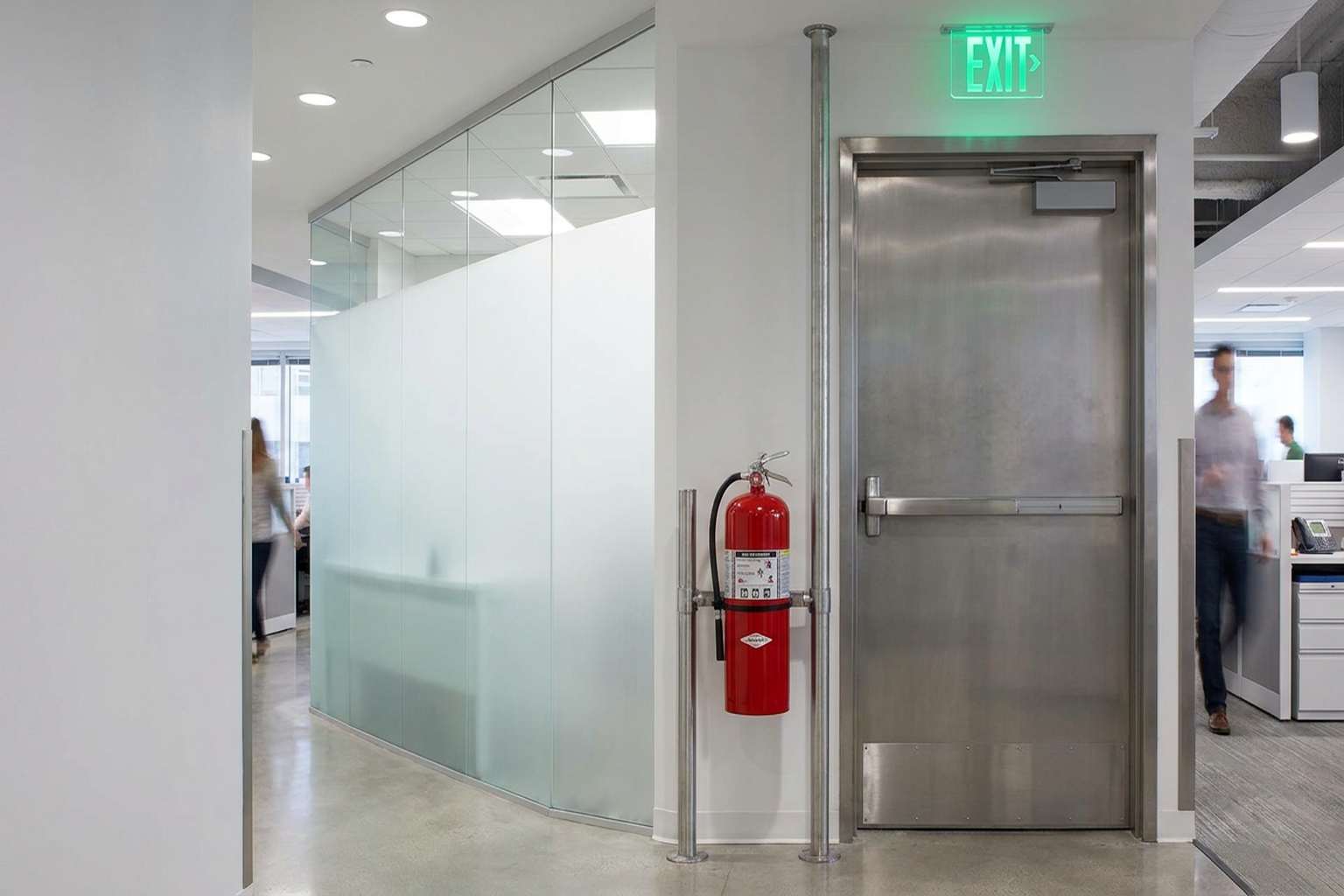
Stand rules come from three layers: NFPA 10, OSHA 1926.150 for construction and FDNY enforcement in the five boroughs. None of them say "buy a stand" in those exact words. What they require is a portable extinguisher that is accessible, visible and mounted correctly. When no wall exists, a stand is the only way to meet those terms.
OSHA construction rules require a fire extinguisher within 100 feet of any area with flammable liquids, and one within reach during hot work. FDNY construction site rules go further for New York City, with extinguisher placement tied to site safety plans. In practice, FDNY inspectors want to see each unit upright, unobstructed and tagged with current inspection records. A stand checks those boxes on sites with no walls.
Height rules follow NFPA 10 regardless of holder type. The top of the extinguisher must sit no more than 5 feet above the floor. Units heavier than 40 lb must be installed so the top is no more than 3.5 feet up. The bottom needs at least 4 inches of clearance off the floor. A compliant stand hits those heights by design, which is the whole point.
If your site got tagged, our fire extinguisher recharge team can swap in charged units and get your tags current in one visit. Call (718) 852-2762 for same-day service in Brooklyn and Manhattan.
Stand vs Wall Bracket vs Cabinet
Stands are one of three ways to hold an extinguisher. Here is how they compare:
| Option | Wall Needed | Mobility | Cost | Best Location |
|---|---|---|---|---|
| Stand | No | High | $$ | Construction, events, rooftops |
| Wall bracket | Yes | None | $ | Offices, kitchens, shops |
| Cabinet | Yes | None | $$$ | Corridors, schools, public spaces |
Extinguisher brackets are the default in finished buildings. They are cheap, low profile and keep units tight against the wall. The trade-off is permanence. Once the bracket is lagged into a stud, moving the extinguisher means drilling new holes.
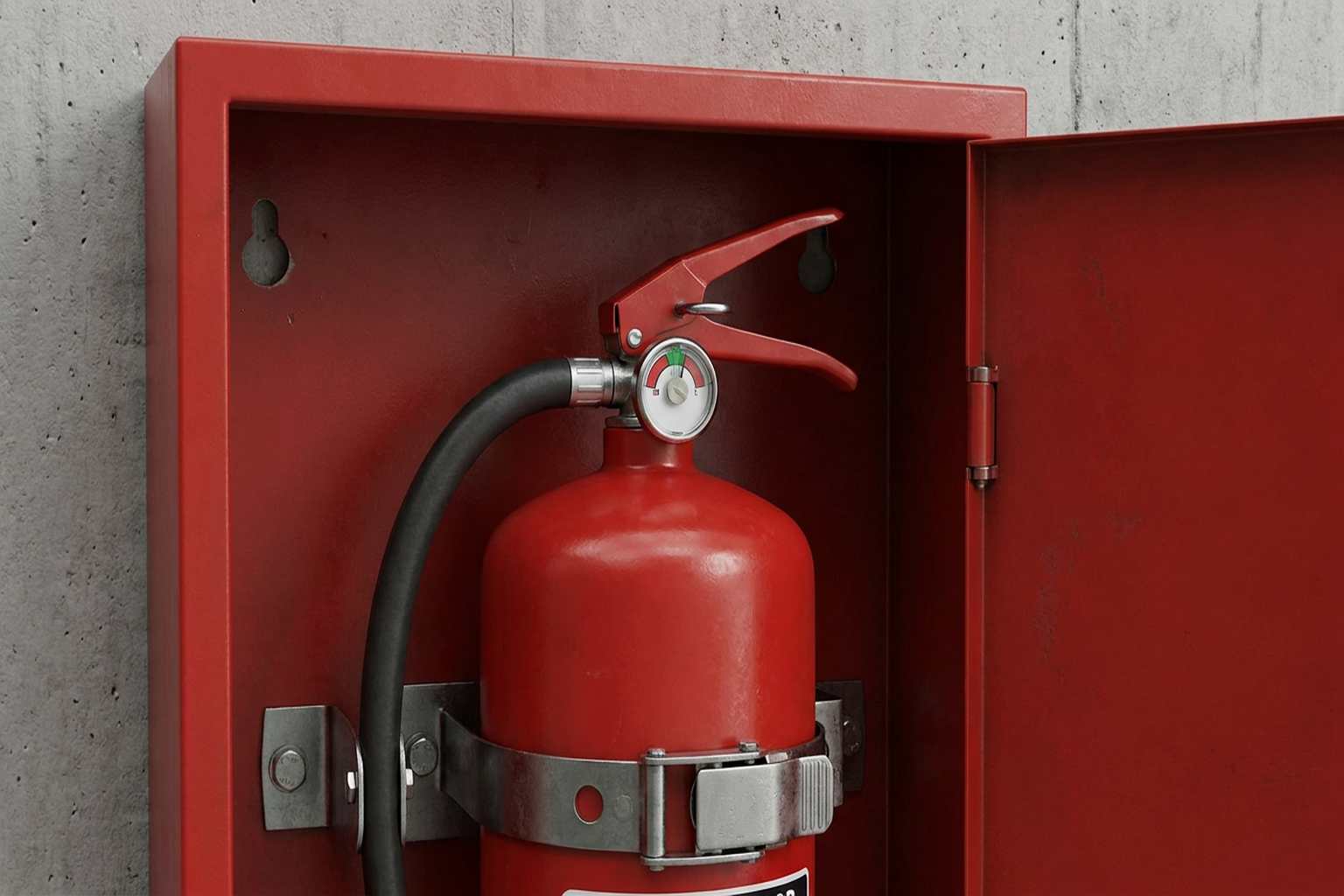
Cabinet-style fire protection products add a locked box that guards against tampering. They make sense in public corridors and schools, but they are the worst option for a job site since locks slow down access and glass fronts break.
The stand wins whenever the extinguisher has to move. Site phases change, hot work moves, and a stand can be repositioned in seconds without tools. That flexibility is why NYC contractors keep a small fleet of them.
How to Choose the Right Stand
Match the stand to the unit and the site. Start with the extinguisher. A 10 lb ABC multi-purpose unit, the standard for most NYC job sites, fits nearly every stand on the market. Bigger 20 lb tanks or 2.5 gallon water units need a stand designed with a wider cradle, so check the fit before ordering in bulk. Our class ABC fire extinguisher guide explains why that rating covers the fuels found on most construction sites.
Next, look at duration. A two-week interior fit-out needs a $30 plastic stand and nothing more. A two-year high-rise job justifies steel pipe stands that survive drops and weather. If the site is exposed, pick powder-coated steel over bare pipe so rust never reaches the cradle.
Then think about stacking and storage. If your company stocks stands across multiple sites, stackable designs cut storage space by more than half. Products that nest flat also ship cheaper, which matters when you are ordering a dozen at a time.
Finally, keep spares. Stands get crushed by forklifts and disappear into dumpsters. A spare in the gang box means a missing stand never becomes a missing extinguisher. Label each one with your site number so borrowed units come home. For matching units to hazards across your building, our types of fire extinguishers breakdown covers the full range of products, from ABC kits to clean agent tools.
Placement and Mounting Height Rules
Wherever the stand goes, the height rules from NFPA 10 follow it:
- Top of unit: no more than 5 feet above the floor (3.5 feet for units over 40 lb)
- Bottom of unit: at least 4 inches above the floor
- Travel distance: 75 feet maximum to reach a Class A hazard extinguisher
- Visibility: nothing stacked around it, no tarps over it
Place stands along normal exit paths, not dead-end corners. During an emergency, people move toward doors they know. An extinguisher on that path gets used. One hidden behind material never does.
Keep stands out of drip lines and puddles. On active sites, move them when phases change. A stand that protected hot work in June may be 200 feet from the danger zone by September, which is the same as no extinguisher at all. More detail is in our fire extinguisher placement requirements guide, and the measurement rules live in our mounting height breakdown.
Inspections for Stand-Mounted Extinguishers
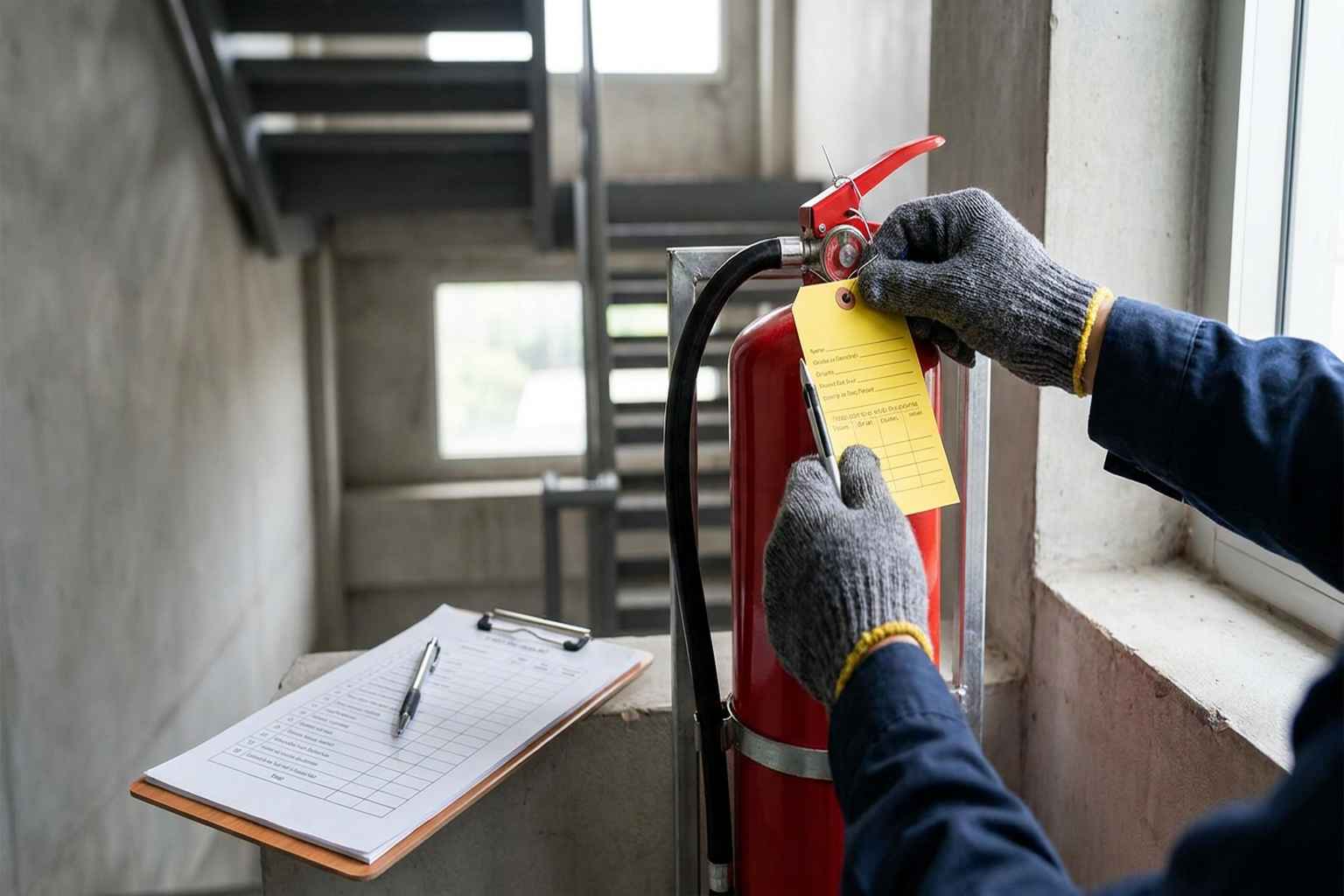
A stand changes the holder, not the rules. Portable extinguishers in New York City still need a monthly visual check and an annual professional inspection, recorded on the tag. The stand makes the monthly walk easy because the unit is always in the same visible spot. One person with a checklist finishes in minutes.
During monthly checks, confirm the pressure gauge sits in the green, the pin and tamper seal are intact, and the nozzle is clear. Give the stand a quick look too. Cracked cradles and missing straps are cheap fixes that prevent an expensive dropped unit.
Annual certifications require a licensed technician. Our fire extinguisher inspections service covers Brooklyn, Queens, Manhattan and the Bronx, with tags issued on the spot. If a unit fails its annual check, we recharge or replace it same-day so your site never runs uncovered. Call (718) 852-2762 to schedule.