A fire extinguisher replacement is not something most building owners think about until an inspector hands them a violation. But expired, damaged, or discharged extinguishers leave your property unprotected and put you out of compliance with FDNY regulations, NYC fire code, and NFPA 10 standards. Whether you manage a restaurant in Brooklyn, a warehouse in Queens, or an office building in Manhattan, knowing when and how to replace your fire extinguishers keeps your business safe and avoids costly penalties.
Key Takeaways
- Disposable extinguishers last 12 years maximum from the manufacturing date, then must be replaced
- Rechargeable units need replacement when they fail hydrostatic testing or show physical damage
- FDNY requires all commercial extinguishers to carry a valid inspection tag or the building is non-compliant
- Replacement costs range from $40 for a small ABC unit to $650 for a 20 lb commercial model
- A&J Fire Extinguisher offers same-day replacement service in Brooklyn - call (718) 852-2762
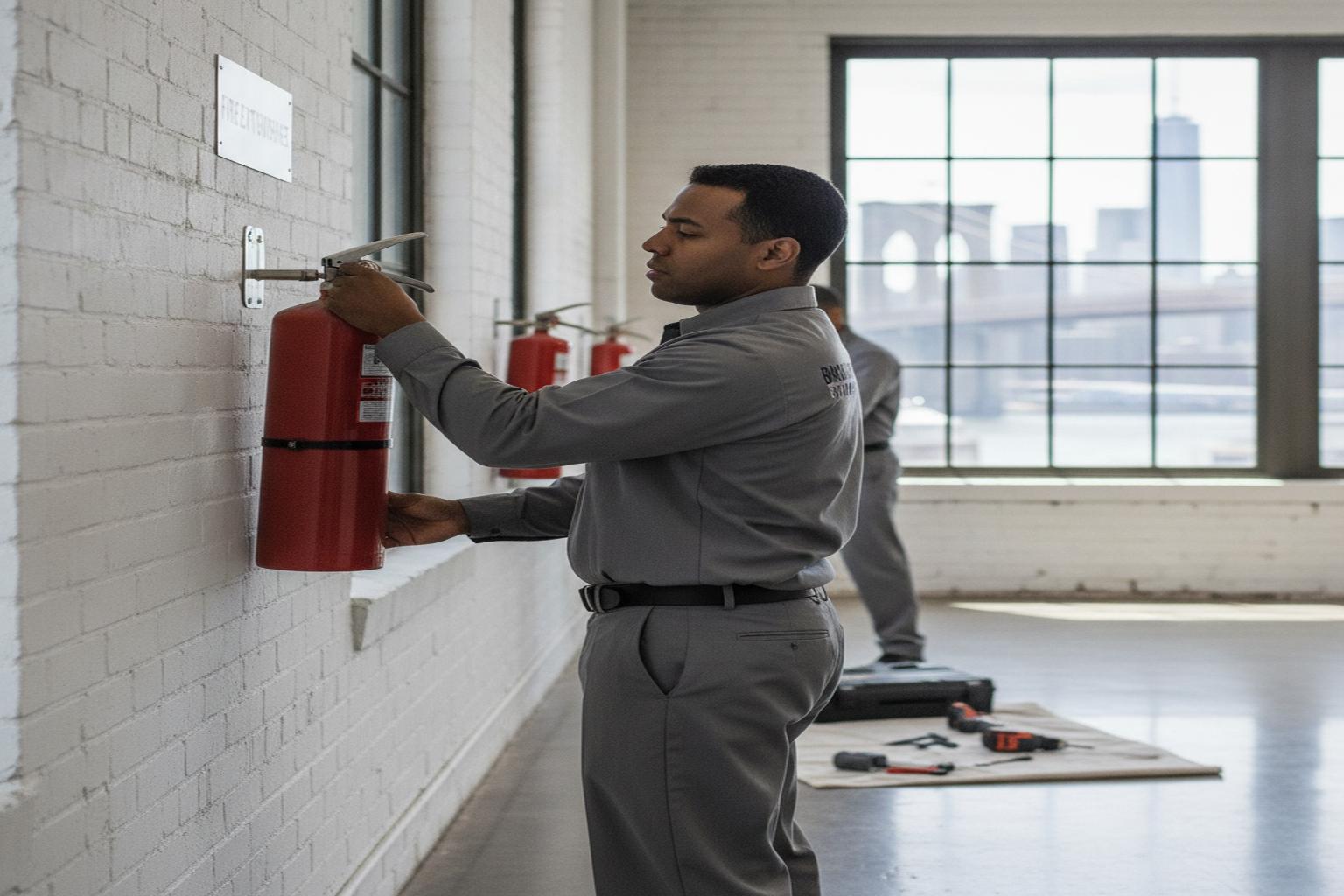
When Does a Fire Extinguisher Need Replacement?
Fire extinguishers do not last forever. The NFPA 10 standard sets specific replacement requirements based on the type of extinguisher, its age, and its physical condition. Here are the scenarios that require immediate replacement:
1. The Extinguisher Has Expired
Every fire extinguisher has a manufacturing date stamped on the label or cylinder. Disposable extinguishers (typically the plastic-handle variety sold at hardware stores) have a maximum service life of 12 years from the manufacturing date. After 12 years, the unit must be removed from service and replaced - no exceptions.
Rechargeable extinguishers (metal-valve units used in commercial settings) can last much longer, but only if they pass their scheduled maintenance and testing. A rechargeable extinguisher that fails fire extinguisher inspections must be replaced immediately.
2. The Unit Was Discharged
Any extinguisher that has been used, even partially, must be either recharged or replaced. A partially discharged extinguisher may not have enough agent to put out a fire. Disposable units cannot be recharged and must be replaced. Rechargeable units can be refilled by a certified service company.
If you are unsure whether a recharge is possible, our recharge guide covers the process, costs, and when replacement makes more sense.
3. Physical Damage Is Present
Inspect your extinguisher monthly for these damage indicators that require replacement:
- Dented or corroded cylinder - structural damage compromises the pressure vessel
- Cracked nozzle or hose - the agent will not discharge properly
- Missing or broken handle - the unit cannot be operated
- Rusted mounting bracket - the extinguisher could fall and injure someone
- Illegible label - operating instructions and rating must be readable
- Failed pressure gauge - if the gauge itself is broken, replacement is required
Critical Warning: Never attempt to repair a damaged fire extinguisher yourself. The cylinder contains pressurized agent that can cause serious injury if it ruptures. Damaged units must be professionally depressurized and replaced.
4. The Pressure Gauge Reads Outside the Green Zone
If the needle on the pressure gauge sits below the green operating zone, the extinguisher has lost pressure and may not discharge enough agent to suppress a fire. If it reads above the green zone, the cylinder is over-pressurized, which is a safety hazard. In both cases, the unit needs professional service or replacement.
CO2 extinguishers do not have pressure gauges. They must be weighed annually by a certified technician to verify the charge level. If the weight is more than 10% below the full weight stamped on the label, the unit must be recharged or replaced.
Fire Extinguisher Lifespan by Type
Different types of fire extinguishers have different service lives and replacement schedules. Here is a breakdown by extinguisher type:
| Extinguisher Type | Disposable Lifespan | Rechargeable Lifespan | Hydrostatic Test Interval |
|---|---|---|---|
| ABC Dry Chemical | 12 years | Up to 30+ years with maintenance | 12 years |
| CO2 | N/A (all rechargeable) | Up to 20+ years with testing | 5 years |
| Wet Chemical (Class K) | 12 years | Up to 30+ years with maintenance | 5 years |
| Water / Foam | 12 years | Up to 30+ years with maintenance | 5 years |
| Halon / Clean Agent | N/A | Up to 20+ years with testing | 5-12 years (varies) |
If you are unsure which type your building needs, our types of fire extinguishers guide explains the ratings, uses, and requirements for each class.
FDNY and NYC Fire Code Replacement Requirements
In New York City, fire extinguisher replacement is not just a safety recommendation - it is a legal requirement. The FDNY enforces the NYC Fire Code and NFPA 10 standards for all commercial buildings, and violations carry fines ranging from $250 to $5,000 per unit.
Commercial Building Requirements
Every commercial building in NYC must maintain fire extinguishers that are:
- Properly rated for the fire hazards present in the space
- Within their service life and not expired
- Tagged with a current inspection certificate signed by a licensed service provider
- Mounted at the correct height and location per FDNY regulations
- Visually accessible and unobstructed at all times
FDNY inspectors conduct random and scheduled inspections year-round. If an extinguisher is expired, damaged, or missing its tag, the inspector issues a violation. The building owner then has a short window to correct the issue or face escalating penalties.
Cost-Saving Tip: Proactive replacement costs far less than an FDNY violation. A commercial ABC extinguisher replacement runs $70-$120, while a single FDNY violation can cost $1,000 or more. Call A&J Fire at (718) 852-2762 to schedule a replacement before your next inspection.
Local Law 152 and Gas Station Requirements
Under Local Law 152, gas stations and fuel storage facilities in NYC face additional requirements. These locations must replace extinguishers more frequently due to harsh operating environments. Corrosion from fuel vapors and temperature extremes accelerate wear on cylinders.
How Much Does Fire Extinguisher Replacement Cost?
Replacement costs vary based on the extinguisher type, size, and rating. Here is a breakdown of typical replacement prices for commercial-grade units:
| Extinguisher Type and Size | Typical Cost Range | Best For |
|---|---|---|
| 2.5 lb ABC (disposable) | $40-$75 | Small offices, vehicles, kitchens |
| 5 lb ABC (rechargeable) | $70-$120 | Restaurants, retail stores, apartments |
| 10 lb ABC (rechargeable) | $90-$150 | Warehouses, commercial kitchens, garages |
| 20 lb ABC (rechargeable) | $120-$200 | Industrial facilities, loading docks |
| 5 lb CO2 | $180-$280 | Server rooms, electrical panels |
| 10 lb CO2 | $250-$400 | Data centers, laboratories |
| Class K Wet Chemical (2.5 gal) | $300-$450 | Commercial restaurant kitchens |
These prices cover the unit itself. Professional installation, old unit disposal, and inspection tagging may add $25-$75. For NYC businesses, bundling replacement with annual inspection service often reduces the per-unit cost.
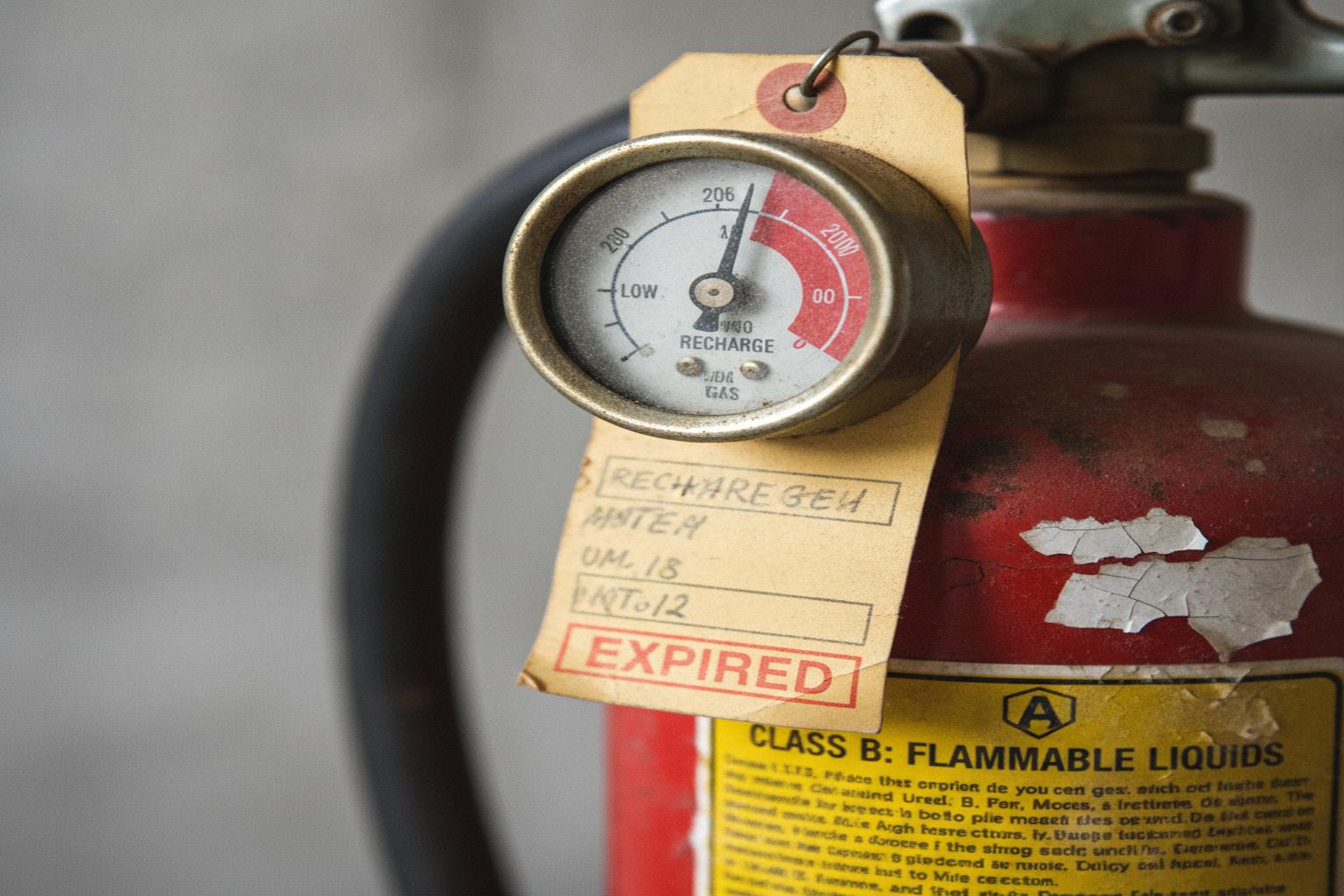
Recharge vs Replacement: Which Makes Sense?
When an extinguisher has been discharged or is due for service, building owners face a choice: recharge or replace? The right answer depends on the type of unit, its age, and the cost difference.
When Recharging Is the Better Option
- The unit is a rechargeable model with a metal valve (not a disposable plastic-handle unit)
- The cylinder is well within its service life (under 10 years for dry chemical, under 15 for CO2)
- The cylinder passes visual inspection with no dents, rust, or corrosion
- The recharge cost is significantly less than 50% of the replacement cost
- The unit has passed its most recent hydrostatic test
When Replacement Is the Better Option
- The extinguisher is a disposable model (plastic valve, non-rechargeable)
- The unit is approaching or past its 12-year service life
- The cylinder has dents, rust, or corrosion
- The recharge cost exceeds 50% of a new unit
- The unit failed its last hydrostatic test
- You are upgrading to a different class or size to meet new code requirements
For most commercial Class ABC fire extinguisher applications, a 10 lb rechargeable unit that is under 10 years old is worth recharging. A 12-year-old disposable unit should always be replaced.
How to Dispose of an Old Fire Extinguisher
You cannot simply throw an old fire extinguisher in the trash. The pressurized cylinder is a hazardous material that must be depressurized and recycled properly. Here are the disposal options available in NYC:
Professional Disposal Through A&J Fire
The easiest and safest option is to have your old extinguishers collected when A&J Fire delivers replacement units. We are licensed to transport and dispose of expired fire extinguishers in compliance with all NYC Department of Sanitation and environmental regulations.
NYC Household Hazardous Waste Drop-Off
For small residential extinguishers, the NYC Department of Sanitation accepts fire extinguishers at its SAFE Disposal Events held throughout the year. Check the DSNY website for upcoming collection dates in Brooklyn and the other boroughs.
Never Do These Things
- Do not puncture the cylinder to depressurize it yourself
- Do not discharge the extinguisher outdoors to empty it - the chemical agent is an environmental contaminant
- Do not place it in regular recycling - pressurized cylinders can explode in sorting equipment
- Do not leave it in a hallway or stairwell - even an expired unit can discharge if knocked over
Safety Warning: CO2 and halon extinguishers contain agents that can displace oxygen in enclosed spaces. Never discharge these units indoors to "empty them" before disposal. Professional depressurization is the only safe method.
Fire Extinguisher Exchange Programs
Many commercial fire safety companies, including A&J Fire Extinguisher, offer exchange programs for businesses. Here is how an exchange works:
- Schedule a service visit - a certified technician comes to your location
- Technician inspects existing units - identifies any that need replacement
- Old units are removed - the technician depressurizes and transports them for recycling
- New units are installed - mounted at the correct height with proper brackets
- Inspection tags are applied - the building receives updated compliance documentation
Exchange programs typically cost less than buying new units separately because the service company handles disposal and provides a volume discount. For Brooklyn and NYC businesses, A&J Fire offers same-day exchange service - call (718) 852-2762 to schedule.
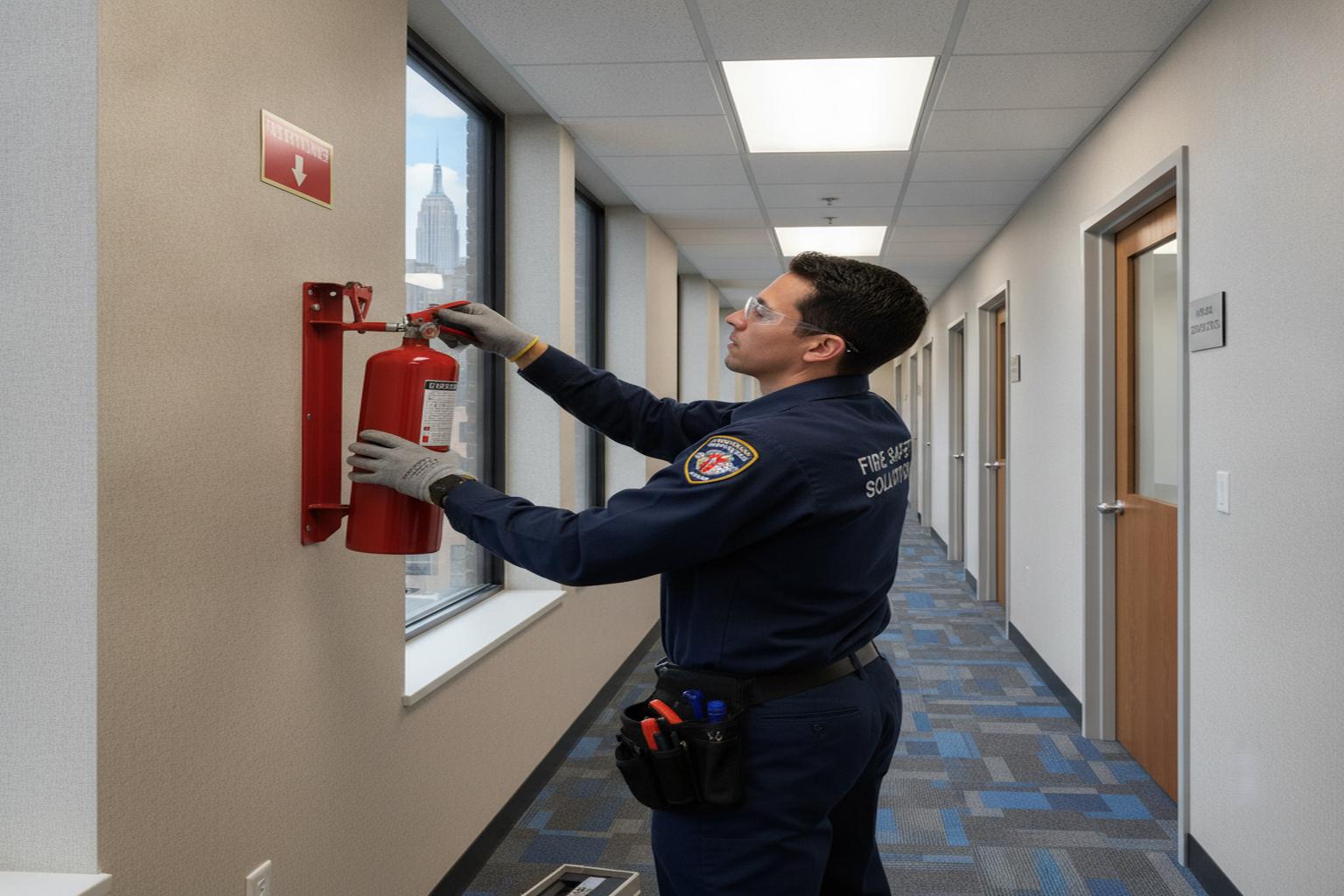
Steps to Replace Your Fire Extinguisher
Whether you are replacing one unit or outfitting an entire building, the replacement process follows these steps:
Step 1: Assess Your Needs
Walk through your building and identify every extinguisher location. Note the type, size, and condition of each unit. Check the manufacturing dates and determine which units are expired or damaged. If you are unsure about ratings, a professional fire safety assessment can identify gaps in your coverage.
Step 2: Order the Correct Replacement Units
Match each replacement to the fire hazard in its location. A general office needs ABC dry chemical units. A commercial kitchen requires a Class K wet chemical extinguisher near the cooking area. Server rooms need CO2 or clean agent units. When in doubt, choose a 10 lb ABC rechargeable unit - it covers the widest range of fire classes and meets most commercial code requirements.
Step 3: Schedule Professional Installation
Professional installation ensures the extinguisher is mounted at the correct height (handle 3.5 to 5 feet from the floor per NFPA 10), positioned along the normal path of travel, and accessible. The technician also applies the initial inspection tag, which is required for FDNY compliance.
Step 4: Dispose of Old Units
Have the old units removed and transported by the service company. Never transport a pressurized extinguisher in a personal vehicle - a damaged valve during transport can cause violent discharge.
Step 5: Document the Replacement
Keep records of all replacements including the date, unit type, serial number, and technician name. These records demonstrate compliance during FDNY inspections and insurance audits.
Maintaining Your New Extinguisher
Once your new extinguisher is installed, proper maintenance extends its service life and keeps you compliant:
- Monthly visual inspection - check the gauge, pin, seal, and mounting bracket yourself
- Annual professional inspection - have a certified technician inspect and tag the unit each year
- Internal maintenance every 6 years - dry chemical units require internal examination and recharging every 6 years
- Hydrostatic testing per schedule - 12 years for dry chemical, 5 years for CO2 and wet chemical
- Replace after any discharge - even if only a small amount of agent was released
A replacement unit that receives regular maintenance can serve your building for 20 years or more. Without maintenance, even a brand new extinguisher can fail when you need it most. Knowing your extinguisher's shelf life tells you when replacement is due before the unit becomes unreliable. Replacement timing depends on how long fire extinguishers last - typically 5 to 15 years depending on type and maintenance. When replacing an old unit, fire extinguisher recycling ensures safe, eco-friendly disposal of the expired extinguisher.